


Mastering Poker Strategy: Using Aggression for Winning Moves in Online Poker
The Importance of Aggression in Online Poker
Aggression in online poker can be the difference between a winning player and one who constantly loses. Knowing when and how to use aggression effectively is crucial for any serious player aiming to improve their skill set and increase their winnings.
Understanding Poker Aggression
Aggression can be defined as the act of making decisive bets and raises, rather than simply calling or checking. This strategy serves to apply pressure on opponents, forcing them into uncomfortable situations. There are two main types of aggression:
- Passive Play: This strategy involves calling or checking, allowing others to determine the flow of the game.
- Aggressive Play: This involves betting or raising to assert control over the pot and can lead to dominating the game.
When to Be Aggressive
Knowing when to adopt an aggressive strategy is key. Below are some scenarios in which aggression typically pays off:
1. With Strong Hands
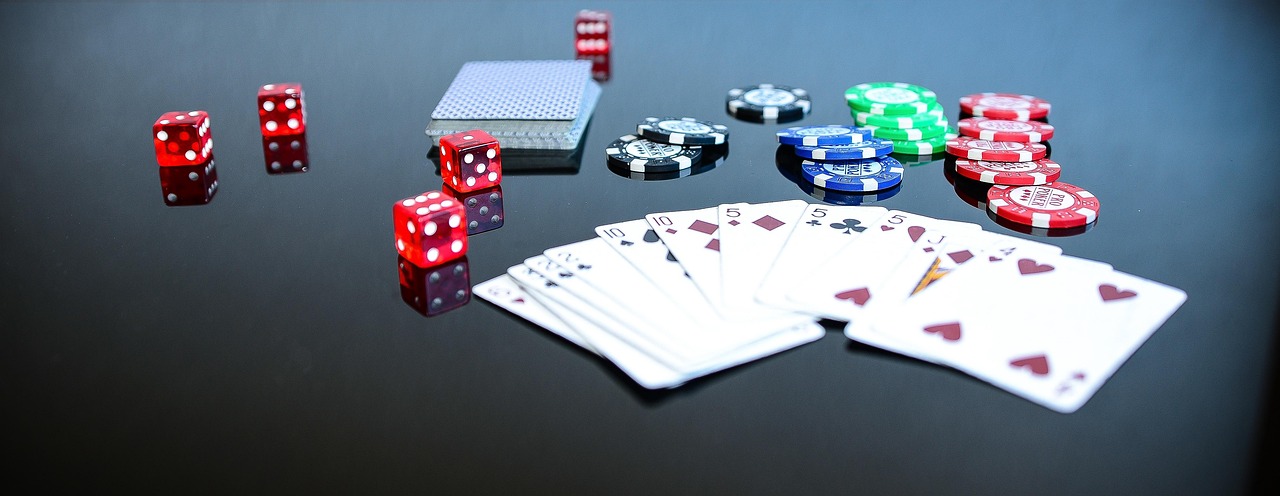
When you hold premium cards (such as pocket Aces or Kings), being aggressive can help build the pot early and dissuade drawing hands from staying in the game.
2. When Your Opponents Are Weak
Identifying players who are hesitant or passive can provide an opportunity to take control. A well-timed raise can force them out, allowing you to take down the pot without contest.
3. In Late Position
Being aggressive while in the late positions (closer to the dealer) can give you valuable information about your opponents’ hands. You’ll be able to act after them, which allows for a strategic upper hand.
The Risks of Aggression
Though aggression can be potent, it’s not without its risks:
- Potential for Big Losses: Overplaying hands can lead to significant losses if you’re outmatched.
- Revealing Strategy: Consistently aggressive play can cause opponents to adjust and catch onto your strategy, making it easier for them to exploit weaknesses.
Adjusting Your Aggression Level
Adapting your level of aggression based on the dynamics of the game is essential. Here are a few factors to consider:
- Player Types: Pay attention to the tendencies of your opponents. Adjusting your aggression to counter their playing styles can often yield beneficial results.
- Table Image: How you are perceived at the table can shape your strategy. A tight image may warrant more aggressive play, while a loose image might require a tempered approach.
Effective Aggression: Bluffing and Semi-Bluffing
A pivotal aspect of aggression is the use of bluffs. Knowing when to bluff effectively can enhance your aggressive strategy. Similarly, semi-bluffing involves betting or raising while holding a drawing hand, which gives you the potential to improve while still applying pressure.
Examples of Effective Bluffing Scenarios
- When the board texture is favorable for a potential flush or straight.
- Against opponents who have shown weakness in previous hands.
Reading Your Opponents
Aggression is not just about your cards; it’s also about understanding your opponents’ play styles. Look for patterns in how they respond to aggressive plays. Tools such as poker trackers can provide valuable insights into your opponents’ tendencies over time. More information can be found on resources like PokerStrategy.com and CardsChat.com.
Conclusion
In conclusion, aggression is a fundamental component of successful online poker strategy. By mastering when to apply pressure, knowing when to hold back, and understanding your opponents, you can significantly improve your winning potential. Remember, the goal is not just to play aggressively but to play smart, ensuring that your strategy is well-rounded and adaptable.