


Indian Gaming Association Chairs Discuss Prediction Markets and the Future of Sports Betting | 10BET
Dive into the complex intersection of high-stakes wagering and sophisticated data analysis, exploring how the rise of sports betting is reshaping the landscape of modern gambling. This guide provides an overview of the mechanisms, risks, and opportunities inherent in utilizing advanced statistical models to forecast game outcomes, transforming the way enthusiasts approach sports betting in the casino and beyond.
The Sports Betting Prediction Markets Battle: Indian Gaming Association Chair, Kalshi CEO, and the Future of Gambling Finance
- Tribal leaders reject Kalshi’s claims of cooperative dialogue
- Legal fight intensifies over prediction markets and sovereignty
- Kalshi’s regulatory tactics provoke backlash from tribal nations
Native American gaming organisations have launched serious accusations against the prediction platform Kalshi. They contend that Kalshi has misrepresented its connection with tribal nations and is undermining their sovereignty over gaming.
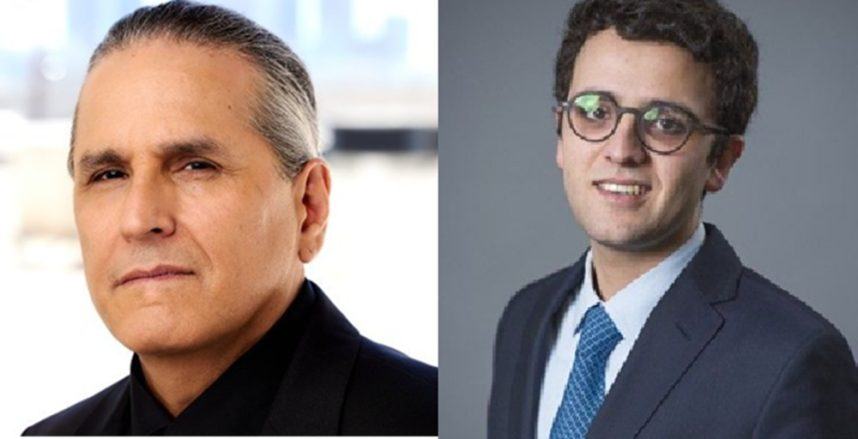
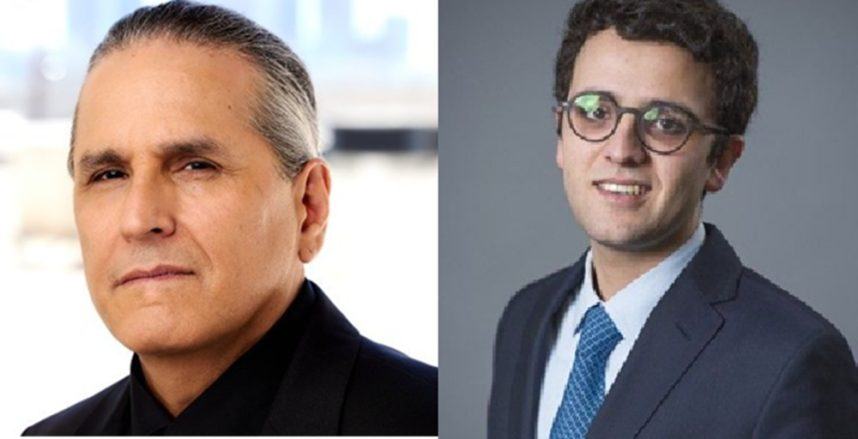
Victor Rocha, who chairs the Indian Gaming Association (IGA) and is also a member of the Pechanga Band of Indians, shared with Sportico that discussions with Kalshi executives have not been fruitful, despite their claims to the contrary.
Kalshi provides platforms for sports prediction markets through event contracts. This derivative allows users to speculate on specific event outcomes. The company insists its platform is legal and distinct from traditional sports betting, a position that has stirred legal disputes and significant backlash from state and tribal officials.
Opposed by 60 Tribes
More than 60 tribal governments and organisations, including the IGA and the California Nations Indian Gaming Association (CNIGA), have submitted an amicus brief to a federal appeals court, backing New Jersey’s legal challenge against Kalshi.
This case revolves around whether the federal Commodity Exchange Act (CEA), which oversees event contracts regulated by the Commodity Futures Trading Commission (CFTC), can supersede state-level sports betting regulations.
A spokesperson for Kalshi recently claimed the company had “constructive discussions with several tribes” and upheld their “inherent sovereignty.” However, Rocha strongly contested this view.
“I’ve talked to [Kalshi CEO] Tarek Mansour twice now, and my take from him is that he’s a lying little twerp,” Rocha remarked.
Tribal groups assert that allowing Kalshi to circumvent state gambling regulations through CEA protections would harm not only New Jersey but also tribes across the United States operating under the federal Indian Gaming Regulatory Act (IGRA).
“The notion that Kalshi could get around tribal-state compacts jeopardises the very foundation of tribal gaming,” Rocha emphasised.
Direct Action
While the amicus brief discusses broader implications of federal preemption, tribal leaders are contemplating direct legal action against Kalshi. In the lead-up to the previous presidential election, the CFTC had sued Kalshi, arguing that the company’s event contracts surrounding the election results constituted illegal political betting.
However, the current administration seems to have softened its stance on the matter, and Kalshi is now reportedly advised by Donald Trump Jr., indicating a potentially favorable shift for the company.
Key Points to Consider
- The importance of sovereignty for tribal gaming operations.
- Kalshi’s prediction markets and the potential impact on traditional betting models.
- Legal ramifications and ongoing battles over gaming regulations.
In summary, the tensions between tribal gaming groups and Kalshi underscore ongoing struggles regarding gaming sovereignty, regulatory frameworks, and the legal landscape affecting prediction markets. With over 60 tribes uniting against what they view as significant threats to their way of life, these developments will shape the future of the gaming industry in the United States.