


Casino counterfeit lawsuit puts promotional merchandise controls under scrutiny
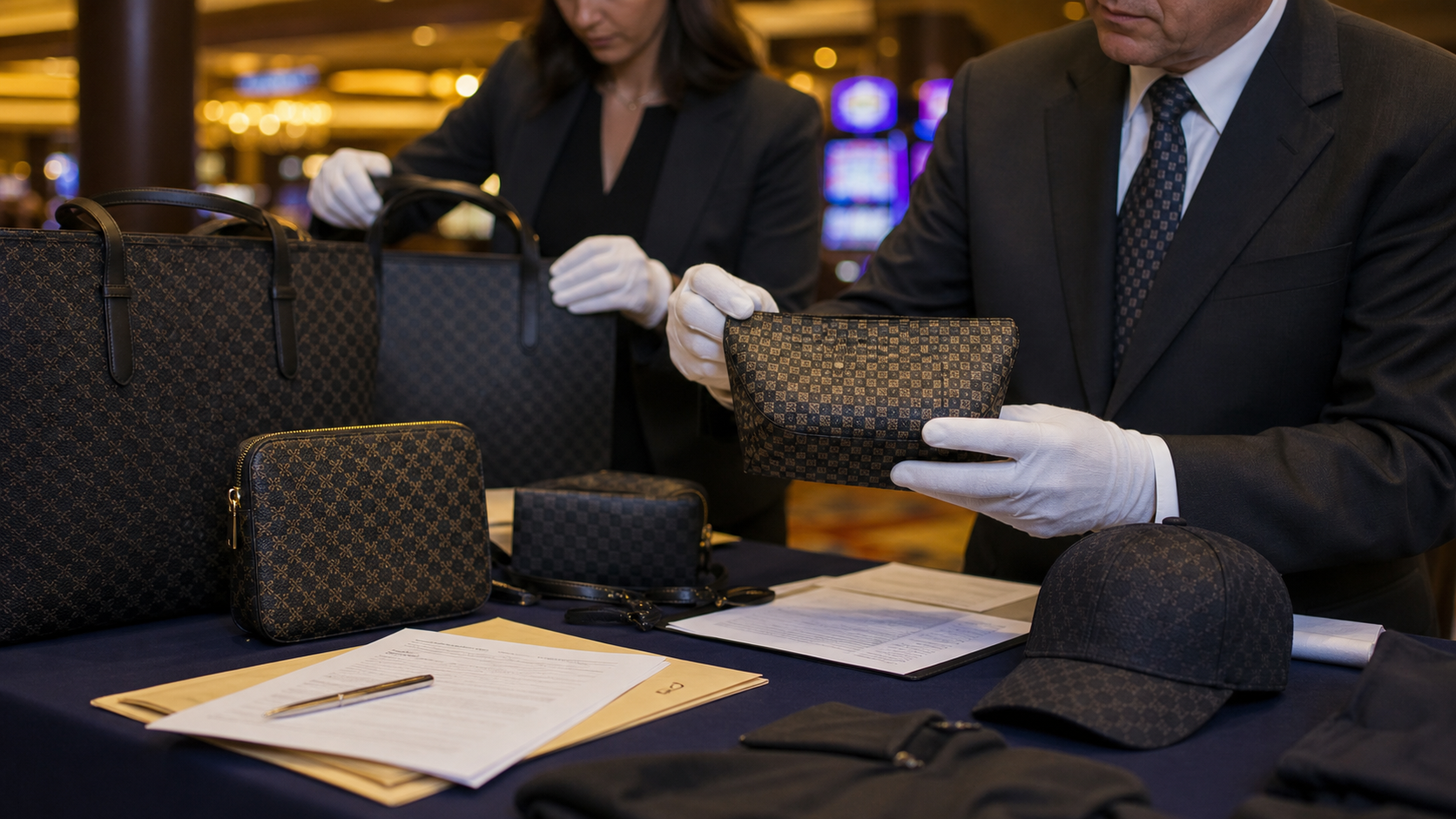
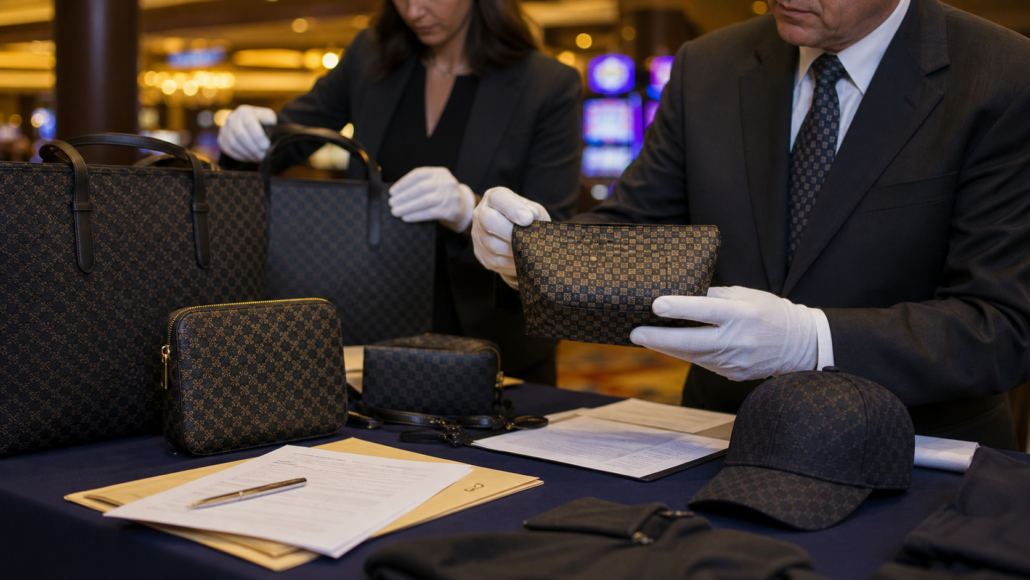
A casino counterfeit lawsuit involving Live! Casino Maryland and a Las Vegas promotional supplier shows how a giveaway item can create legal exposure far beyond the gaming floor. Casino.org reported that Live! Casino is suing Power Promotions, alleging that the vendor supplied promotional handbags that resembled Louis Vuitton designs and triggered a federal trademark dispute. The report describes allegations in litigation, not a final finding of liability.
How promotional merchandise becomes a compliance issue
Casinos often use branded or themed merchandise for loyalty programs, special events, and player promotions. The items may be purchased through an outside supplier, but the casino’s name is still associated with what guests receive. A design that appears attractive in a catalog can create problems if it copies protected trade dress, uses a brand name without authorization, or comes from a manufacturer that has not completed a proper rights review.
The source report said Live! Casino claims Power Promotions was responsible for ensuring that the bags complied with intellectual-property laws. It also reported that the vendor’s owner allegedly relied on an overseas manufacturer rather than legal counsel to review the design. Those claims will need to be tested in court. They nevertheless illustrate why a purchase order alone may not be enough for a high-visibility promotion.
Supplier controls need to be specific
A strong supplier process can identify who created the artwork, who owns the design, which marks appear on the product, and what permissions exist. Contracts can require representations about originality, indemnification for infringement claims, approval of samples, and records showing the production chain. Casinos may also want a documented review for products that resemble luxury goods, sports brands, entertainment properties, or recognizable logos.
These controls are practical because a legal dispute can interrupt a promotion even before a court reaches the merits. Inventory may need to be held, advertising may need to be changed, and staff may need to explain why an item is no longer available. The cost can include outside counsel, replacement merchandise, customer dissatisfaction, and reputational damage.
What the lawsuit does not establish
Being named in a complaint does not prove that a defendant infringed a trademark. The allegations, defenses, evidence, and court decisions all matter. Readers should avoid presenting the claimed design as definitively counterfeit until the legal process determines what happened and who was responsible. The source report also said Power Promotions had not responded at the time of publication.
For casino operators, the broader lesson is to treat promotions as a compliance function as well as a marketing function. A memorable giveaway should strengthen a guest relationship, not create a surprise legal bill. Procurement, marketing, risk, and legal teams should be involved early enough to catch problems before products are ordered.
Responsible gambling note
Promotions and loyalty gifts should not encourage spending beyond a personal limit. Read the terms, set a gambling budget, and remember that a free item never changes the odds of a casino game.
Promotions need an approval chain
A casino promotion can pass through marketing, procurement, a vendor, a manufacturer, a freight provider, and the property’s distribution team. Each handoff is a chance for an artwork file, product description, or supplier assumption to become detached from the legal review. A simple approval chain with named responsibility can help preserve the record of what was checked.
The dispute is also a reminder that partnerships do not transfer every risk away from the casino. Contracts can allocate responsibility, but customers and the public may still connect the merchandise with the casino brand. Early review is usually less expensive than recalling a product after a rights holder complains.
FAQ
Has the court found the bags counterfeit?
Not based on the source report. Live! Casino’s complaint contains allegations, and the litigation must determine the facts, legal responsibility, and any remedies.
Why should casinos review promotional suppliers?
Promotional products can carry trademark, copyright, quality, and reputational risks. Written rights assurances, sample approval, supplier records, and legal review can reduce surprises before a product is distributed.
Source and further reading
Original source: Casino.org News, “Live! Casino Sues Merchandise Vendor Over Alleged Fake Louis Vuitton Bags”.
Authoritative context:
Related coverage:
- Casino security footage helps investigators identify suspect after Indiana racino robbery attempt
- Casino food and beverage spotlight follows Coeur d’Alene chef certification
- Online Poker Legal Battles: Inside the $30 Million Scott Ball vs. ACR Dispute