
Roulette Strategy: A Complete Beginners Guide to Winning

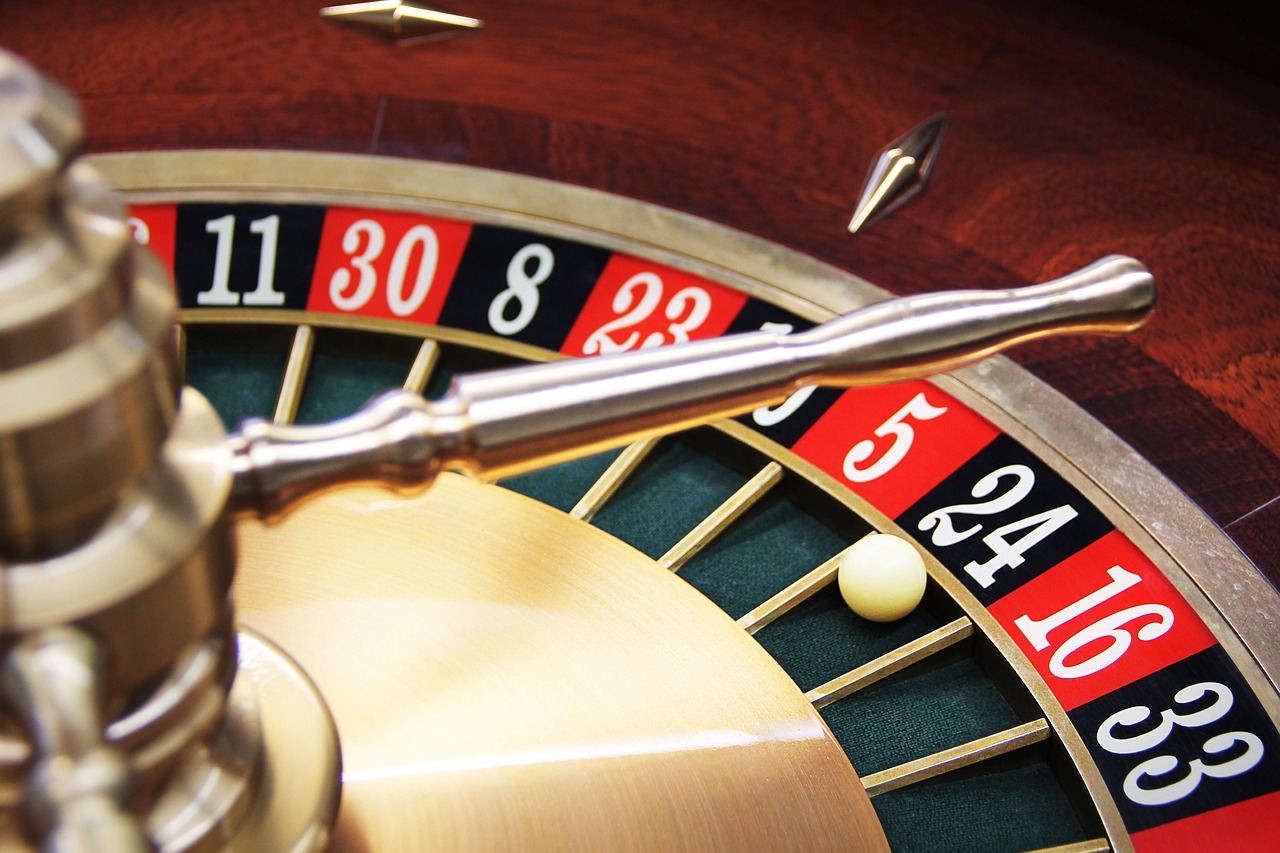
Roulette strategy
Image by Maria_Domnina from Pixabay

To master the unpredictable world of the casino, understanding the fundamental principles behind the game is paramount, especially when tackling high-stakes games like roulette. This guide delves deep into the complex mathematics and patterns that dictate success, focusing specifically on developing an effective Roulette strategy that moves beyond simple luck and into calculated risk management.

Understanding the Roulette Table

The roulette table is key to enjoying this popular casino game. Comprehending its layout is crucial for successful gameplay. Here’s a guide to what you need to know.

1. Layout of the Roulette Table

The roulette table is divided into two primary sections: the betting area and the wheel. The betting area displays numbers and colors, while the wheel features numbered pockets. The two formats are:

  • American Roulette: Features a single ‘0’ and a double ’00’, leading to a total of 38 pockets.
  • European Roulette: Contains a single ‘0’, resulting in 37 pockets.

2. The Numbers and Colors

In roulette, each number is paired with a color:

  • Numbers 1-36 are either red or black.
  • 0 (and 00 in American roulette) is green.

Understanding the colors is essential for making informed bets.

3. Types of Bets

There are several betting options in roulette, categorized as either inside or outside bets:

  • Inside Bets: Placing bets on specific numbers or small groups (e.g., Straight, Split, Street).
  • Outside Bets: Based on broader categories (e.g., Red/Black, Odd/Even, Columns, and Dozens).

Each type of bet has its own payout structure and odds.

4. Payouts and Odds

Roulette bets come with different payouts. Understanding these can help you strategize better:

  • Inside Bets can pay up to 35:1.
  • Outside Bets typically have lower payouts but higher probabilities (e.g., 1:1 for Red/Black).

For a detailed breakdown of roulette odds, visit 888 Casino.

5. Reading the Table Layout

To read the roulette table effectively, pay attention to the arrangement of numbers. The numbers on the table do not follow a sequential pattern. Instead, they are distributed to balance the game:

  • Red and black numbers alternate.
  • Odd and even numbers are evenly spread.

This design is intentional for maintaining randomness in the game.

6. The Dealer and the Wheel Spin

The dealer plays a central role in the game, announcing the winning number and collecting losing bets. Knowing the dealer’s routine can help you gauge when to place your bets. The wheel spins in one direction while the ball spins in the opposite direction, eventually landing in one of the numbered pockets.

7. House Edge Explained

Roulette has a built-in house edge:

  • In European Roulette, the house edge is about 2.7%.
  • In American Roulette, it increases to about 5.26% due to the extra ’00’.

This is an important factor to consider when strategizing your bets. For more on house edge, check out Gambling.com.

8. Common Strategy Tips for Beginners

As a beginner, consider these tips to enhance your roulette experience:

  • Start with Outside Bets: These offer better odds and are ideal for newbies.
  • Set a Budget: Determine how much you’re willing to lose before you start playing.
  • Avoid Betting Systems: Strategies like Martingale can be risky for beginners.

Conclusion

Reading a roulette table might seem daunting initially, but understanding its layout and rules dramatically enhances your gaming experience. Familiarize yourself with the terms and strategies to maximize your enjoyment and potential wins.

Resources for Further Learning

  • CasinoTop10 – Roulette Strategy
  • GamblingSites.com – Roulette Guide

The Ultimate Guide to Casino Games for Everyone in Las Vegas

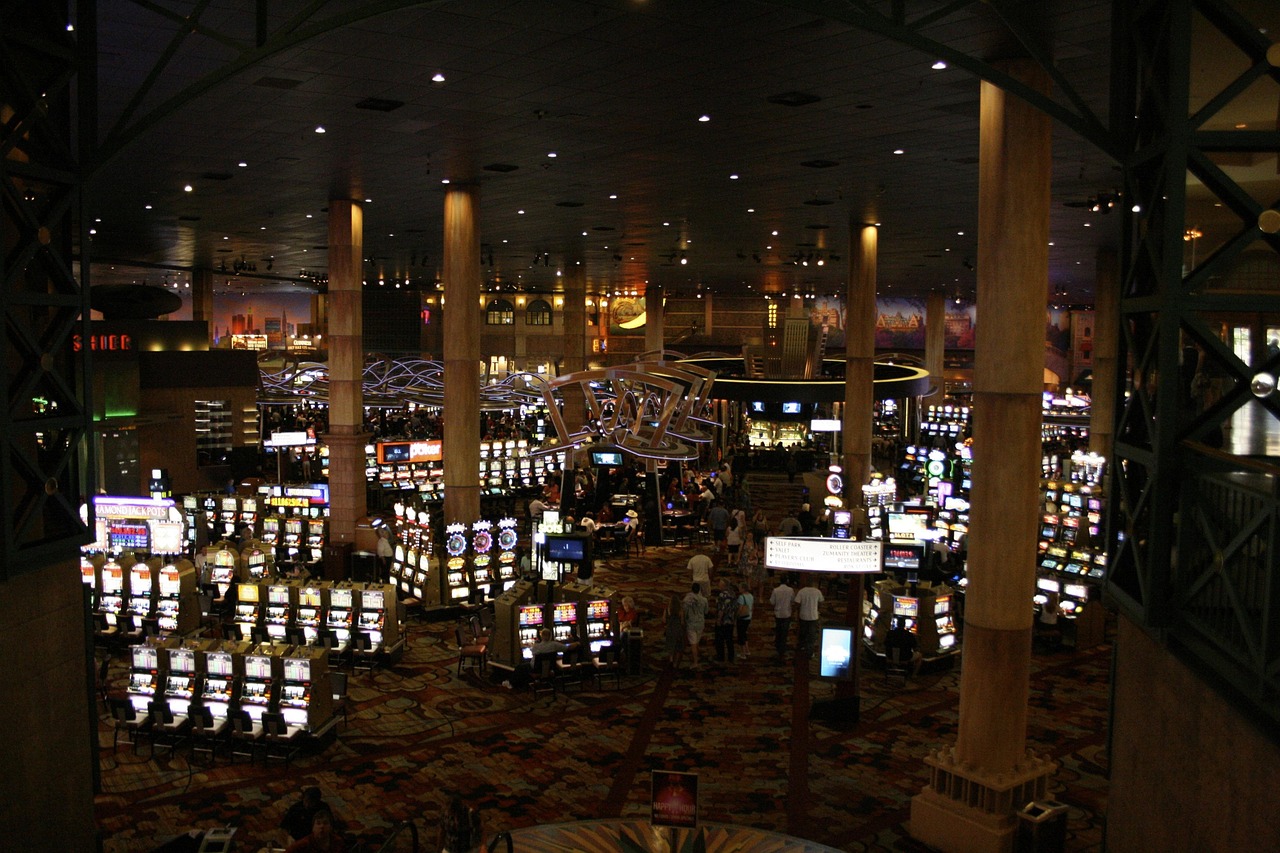
Casino games
Image by Bru-nO from Pixabay

Your guide to the thrilling world of Casino games begins with this Table of Contents, which serves as your essential roadmap to navigating the rules, strategies, and excitement of the most popular Casino games available today.

Introduction

Las Vegas, often dubbed the ‘Gaming Capital of the World,’ offers an unparalleled array of gambling options. Whether you’re a seasoned gambler or a novice looking to try your hand, finding your niche in this vibrant gaming landscape can enhance your experience. This article will guide you through various games available, catering to all preferences and skill levels.

1. Slots: The Easy Game

Slot machines are the quintessential gambling experience for many. They are easy to play, require no strategy, and come in various themes and formats. With progressive jackpots, themed slots based on movies, and electronic versions with stunning graphics, there’s something for everyone in the slot world. Learn more about slot strategies here.

2. Blackjack: The Classic Card Game

Blackjack is popular for its mix of luck and strategy. Aiming for a hand closest to 21 without going over, players have the opportunity to apply strategies, such as card counting. Its low house edge attracts many seasoned players to the tables. Find a detailed guide on how to play Blackjack here.

3. Poker: The Game of Skill

Often viewed as a game of skill, Poker has multiple variants, including Texas Hold’em and Omaha. Poker rooms in Vegas offer tournaments and cash games suited to all levels of players. The social aspect and strategies involved make it a favorable choice for many. Explore more about what makes Poker unique here.

4. Roulette: The Wheel of Fortune

Roulette is a game of chance that revolves around a spinning wheel. Players can place bets on single numbers, colors, or groups of numbers. The thrill of watching the wheel spin makes Roulette a popular choice among new and experienced gamblers alike. Discover more about the different types of bets you can place in Roulette at 888 Casino.

5. Keno: The Lottery-Style Game

Keno is a lottery-style game that offers players the chance to pick their own numbers, similar to a bingo game. It’s a leisurely option where players can sit back and enjoy while awaiting the drawn numbers. Learn more about Keno here.

6. Bingo: A Social Gaming Experience

Bingo is a fun, social game that attracts players of all ages. Modern Bingo halls offer themed events and promotions, making it a community-focused game. With various card styles and rules, Bingo is accessible and entertaining. Check out Bingo for All for more information on playing Bingo.

7. Esports Betting: The New Trend

Esports betting is a rapidly growing segment that allows gamers to bet on competitive video gaming. With its rise in popularity, Las Vegas has embraced this trend, offering various platforms to place bets. If you’re interested in betting on your favorite team or player, Esports Betting.com offers tips and insights.

8. Virtual Reality Gambling: A Unique Experience

Virtual reality (VR) gambling is an innovative way to experience the casino atmosphere from the comfort of your home. Engaging VR platforms allow players to interact as if they’re physically in a casino. This immersive experience can cater to both traditional games and newer gambling forms. Explore this new frontier at Virtual Reality Gambling.

Conclusion

Whether you’re into slots, table games, or newer trends like VR and esports betting, Las Vegas has a gambling niche for everyone. Understanding the options available can help you discover what you enjoy the most, ensuring your gambling experience is both fun and rewarding.

Mastering Online Gambling Marketing: Adapting Strategies for New Players | 10BET

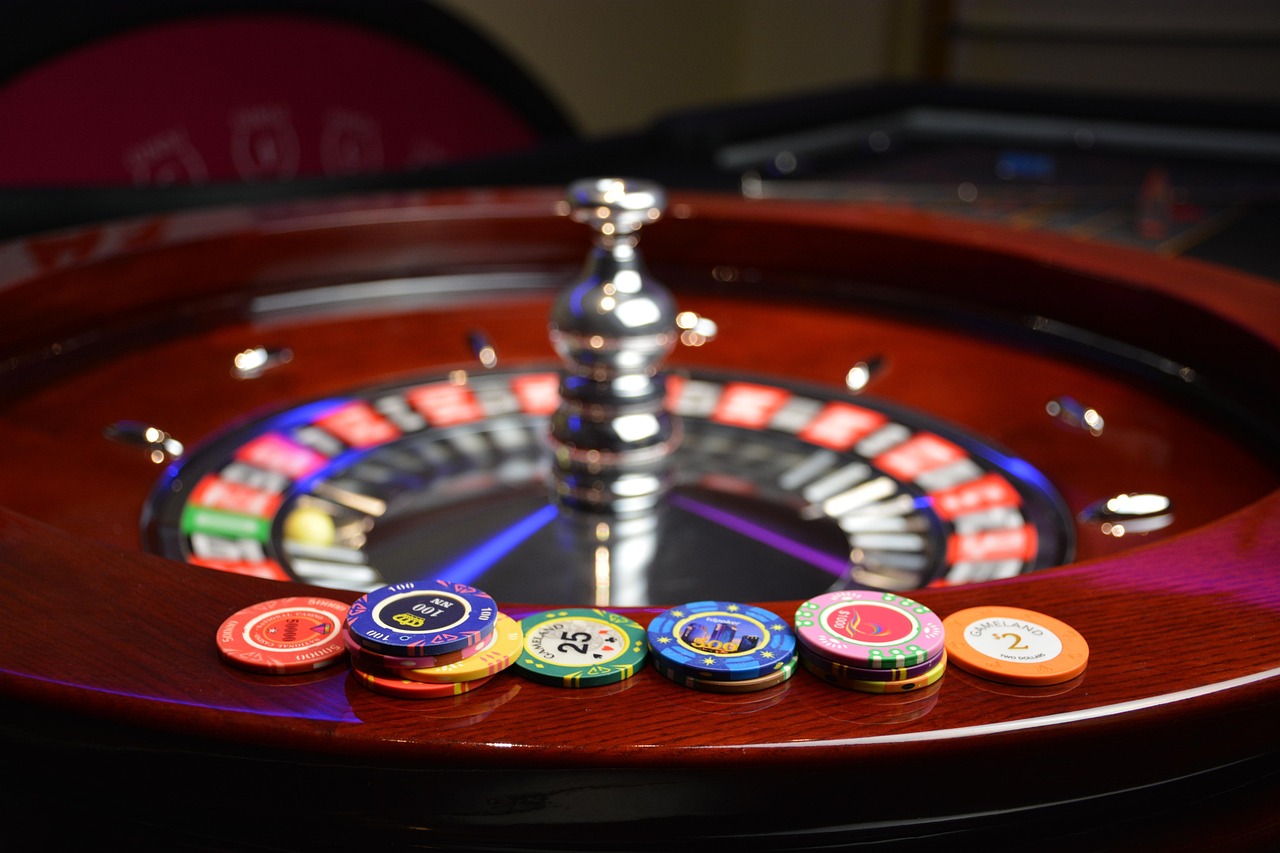
Gambling strategies
Image by jlaso from Pixabay

Understanding the landscape of the modern casino industry requires more than just a grasp of game mechanics; it demands a strategic understanding of how players are reached through sophisticated online gambling marketing. This guide is designed to unpack the core components of the industry, providing the frameworks necessary to navigate both the high-stakes world of chance and the digital strategies used to drive engagement. Inside, you will discover how to analyze player trends, manage promotional outreach, and implement advanced tactics that bridge the gap between effective online gambling marketing and successful player retention.

Introduction

The online gambling industry is continually evolving, with new players entering the market at an unprecedented rate. To stay competitive, existing operators must adapt their strategies to account for these newcomers. In this article, we will explore effective methods for adjusting your approach in response to the emergence of new online players.

1. Understand the New Competitive Landscape

Before adapting your strategy, it’s crucial to analyze the competitive landscape. Identify who the new players are and the unique offerings they bring to the table. Utilize tools like SimilarWeb and SEMrush to gather insights about their traffic sources, user engagement levels, and marketing strategies.

Key Steps:

  • Conduct a SWOT analysis of your competitors.
  • Study their marketing channels and audience engagement.
  • Monitor their promotions and user acquisition strategies.

2. Enhance User Experience

User experience (UX) is a critical component in retaining players. Evaluate your website’s design, navigation, and mobile responsiveness. Consider A/B testing different elements to see what enhances user engagement the most.

Key Actions:

  • Streamline the registration and funding processes.
  • Ensure your site is mobile-optimized and responsive.
  • Provide clear information on games and promotions.

3. Leverage SEO Best Practices

As new players emerge, organic search visibility becomes even more vital. Employ SEO strategies tailored to the online gambling sector.

Effective Techniques:

  • Optimize for local SEO if relevant to your audience.
  • Utilize long-tail keywords specific to your niche.
  • Create high-quality content that addresses user queries and trends.

4. Diversify Marketing Channels

Explore and diversify your marketing strategies by using various channels such as social media, PPC, and affiliate marketing. New players may use different methods to reach their audience, and you should be prepared to match these efforts.

Marketing Channels to Consider:

  • Social Media Advertising
  • Google Ads and Retargeting Campaigns
  • Affiliate Partnerships

5. Invest in Customer Loyalty Programs

To counter new competitors, invest in customer loyalty programs. Attracting new players is essential, but retaining existing players is crucial for long-term success.

Types of Loyalty Rewards:

  • Exclusive bonuses and promotions
  • VIP programs with tiered rewards
  • Gamification elements for engagement

6. Analyze and Adapt to Player Behavior

With the advent of new online players, understanding their behavior becomes even more critical. Utilize analytics tools to dive deep into user data and adapt your strategies accordingly.

Analytical Tools to Utilize:

  • Google Analytics for user behavior tracking
  • Heatmaps for understanding user engagement
  • Surveys and feedback tools for direct user insight

7. Monitor Industry Trends and Regulations

The online gambling landscape is affected by ongoing regulatory changes and trends. Stay informed about new regulations that could affect your operations and ensure compliance to avoid penalties.

Resources for Compliance Updates:

  • UK Gambling Commission
  • iGaming Business

8. Foster a Community Around Your Brand

Building a community can help set you apart from new competitors. Engage with your users through forums, social media, and events to foster loyalty and advocacy for your brand.

Ways to Build Community:

  • Host live events and competitions.
  • Encourage user-generated content and testimonials.
  • Utilize social media to create dialogues with users.

Conclusion

Facing new online players is a challenge that requires flexibility and strategic foresight. By understanding your competitors, enhancing user experience, leveraging SEO, and investing in customer loyalty, you can effectively adapt your strategy to remain competitive in the evolving online gambling landscape.

The Integration of Art in Land-Based Casino Designs

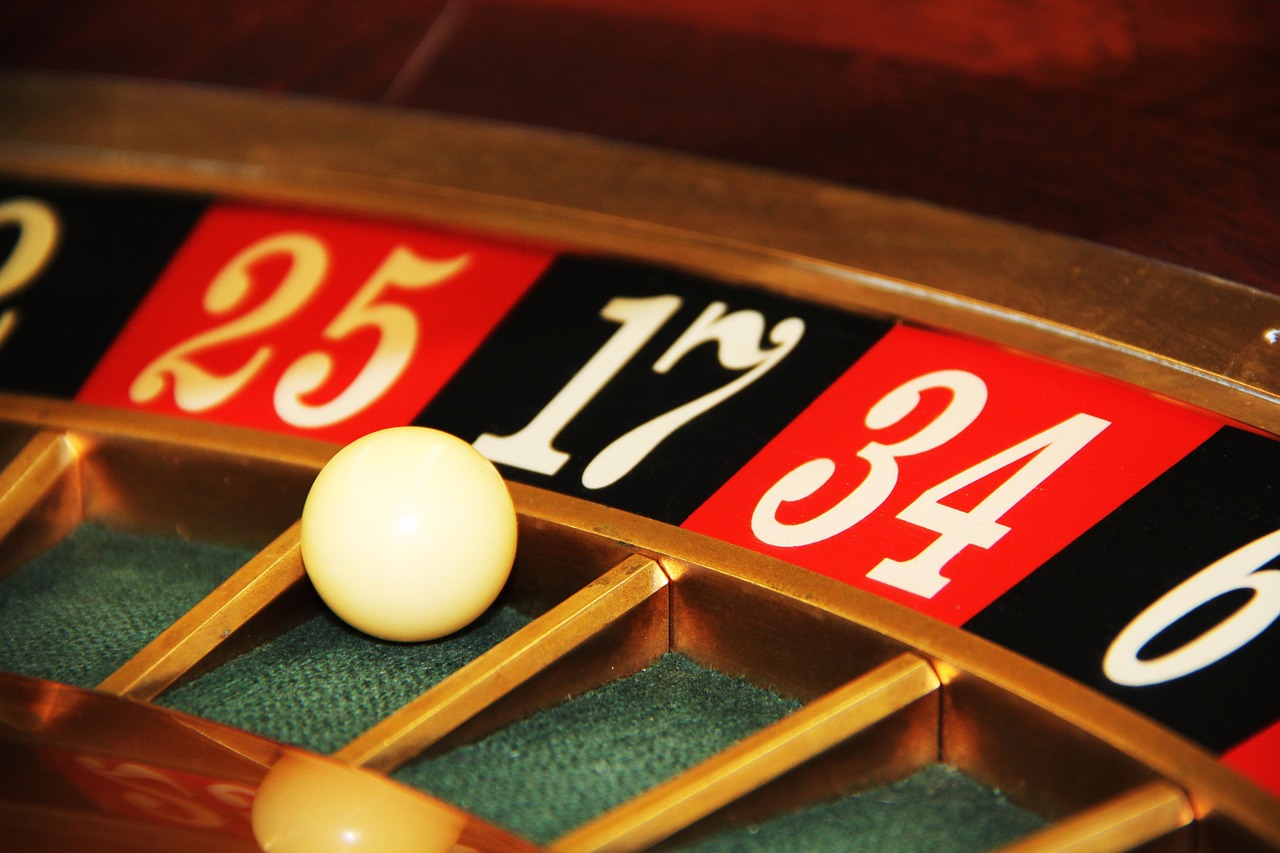
Casino design
Image by 15299 from Pixabay

This table of contents serves as the essential roadmap for navigating the complex world of casino design, detailing every phase from conceptualization to final execution.

The Integration of Art in Land-Based Casino Designs

Casinos are not just places for gambling; they are immersive environments where art plays a critical role in shaping the overall experience. As the competition in the gaming and entertainment industries grows, land-based casinos increasingly turn to artistic concepts to elevate their designs. This article explores the various aspects of art integration in casino designs, highlighting its significance and examining influential trends.

The Role of Art in Creating Atmosphere

Art serves as a key element in establishing a unique atmosphere that enhances visitors’ experiences. The ambiance created by art installations encourages longer stays, making it crucial for casinos seeking to maximize playtime and revenue. Furthermore, curated art can evoke emotions, create conversation, and immerse visitors in a thematic experience.

Emotional Connection through Art

Art can evoke feelings of nostalgia, excitement, or even tranquility, appealing to visitors on a personal level. By incorporating local artists or thematic works, casinos cultivate a sense of place that resonates with guests. This emotional connection can lead to repeat visits.

Architectural Integration of Art

Beyond wall decor, art becomes a physical part of the casino architecture. Innovative architectural designs that incorporate artistic elements can make casinos visually striking landmarks.

Installation Art

Large scale installations, such as sculptures and interactive exhibits, serve not only as focal points but also as navigation aids. Casinos such as The Cosmopolitan of Las Vegas have utilized installation art to enhance the guest experience.

Collaboration with Local Artists

More casinos are collaborating with local artists to create unique pieces that reflect the area’s culture. This strategy not only beautifies the space but also supports the local arts community.

Branded Artistic Collaborations

Partnerships with renowned artists or art institutions can elevate a casino’s profile, attracting visitors who appreciate art. Some casinos host rotating exhibitions that keep the experience fresh and encourage repeat visits.

Art as Brand Identity

The integration of art in casino design helps to create and reinforce a unique brand identity. Through consistent artistic themes and styles, casinos can differentiate themselves from competitors.

Signature Themes and Iconic Works

Casinos like Bellagio are known for their signature art installations such as the Conservatory & Botanical Gardens. These iconic works become synonymous with the brand, enhancing recognizability and loyalty.

Technology and Digital Art Integrations

Technology has opened new avenues for art integration in casinos. Digital art installations and AR experiences can provide interactive engagements that captivate visitors.

Dynamic Displays

Using digital screens for artwork that changes throughout the day can create a magical and dynamic environment. For example, Harrah’s in New Orleans uses digital art to rotate local artists’ works, creating a fresh environment.

The Impact of Art on Revenue

While the aesthetic influence of art is apparent, its effect on casino revenue is equally important. Art enhances the overall experience, leading to increased customer satisfaction and extended stays.

Enhanced Customer Experience

When guests feel drawn in by the beauty and creativity of their surroundings, those positive feelings can translate to longer gaming sessions, a willingness to participate in events, and increased spending in restaurants and shops.

Conclusion

The integration of art in land-based casino designs is not just about aesthetics; it’s a comprehensive approach aimed at enhancing the visitor experience and reinforcing brand identity. As the industry continues to evolve, the relevance of artistic expression in casinos will undoubtedly become more pronounced.

Mastering Bankroll Management: Your Guide to Staying in the Casino

Bankroll management
Image by nattanan23 from Pixabay

Welcome to the essential guide for navigating the world of casino gaming, where success is determined not just by luck, but by disciplined **bankroll management**. This document outlines the critical strategies and financial principles necessary to maximize your potential in high-stakes environments, ensuring that every session is approached with calculated risk and sustainable financial planning.

Introduction

Gambling can be an exhilarating experience, filled with excitement and the potential for substantial rewards. However, to enjoy gambling responsibly and avoid financial woes, it is crucial to adhere to one fundamental principle: staying within your bankroll. This article explores the importance of bankroll management, offering insights into strategies that can help gamblers maintain control and enjoy their gaming experiences.

Understanding Bankroll Management

Your bankroll is the amount of money you have set aside specifically for gambling. It is essential to distinguish between bankroll money and your everyday finances to avoid jeopardizing your financial stability. By managing your bankroll effectively, you can prolong your gaming experience and reduce the risk of significant losses.

Setting a Gambling Budget

Before engaging in any gambling activity, set a clear budget. Here’s how to do it:

  • Evaluate your financial situation: Understand your disposable income.
  • Decide on a strict budget: Allocate a specific amount for your gambling activities.
  • Stick to your budget: Resist the temptation to chase losses by exceeding your predetermined limit.

Avoiding Emotional Betting

Emotions can cloud judgment and lead to impulsive decisions. Stay within your bankroll by recognizing emotional triggers that may compel you to bet beyond your means:

  • Stress or disappointment: Avoid betting as a means of escape.
  • Excitement from winning: Don’t let a big win push you to wager more than you can afford.
  • Peer pressure: Stay true to your budget, regardless of what others are betting.

The 1% Betting Rule

A popular guideline among seasoned gamblers is the 1% betting rule. This means that you should only wager 1% of your total bankroll on a single bet. For example, if your bankroll is $1,000, your maximum bet should be $10. This strategy helps mitigate losses and prolongs your gambling sessions.

Utilizing Bankroll Tracking Tools

Keeping track of your bankroll can greatly aid in managing your gambling budget. There are various mobile apps and software designed for bankroll management. Examples include:

  • Bet Tracker: Allows you to log your bets and calculate your net profits or losses.
  • Excel Sheets: A simple yet effective way to track your expenses and profits manually.

Knowing When to Walk Away

One of the most critical skills in gambling is recognizing when to walk away. Set winning and losing limits for each session, and adhere to them strictly. If you reach your loss limit, do not chase it by continuing to gamble. Similarly, if you’ve reached your winning goal, consider cashing out to secure your profits.

The Impact of Casino Promotions

While casino promotions and bonuses can be tempting, it’s essential to evaluate them critically. Some promotions may encourage you to gamble more than you should. Always stay within your budget when taking advantage of these offers and ensure that they do not lead to irresponsible gambling habits.

Learning from Experienced Gamblers

Leverage the wisdom of experienced gamblers by reading blogs, joining online forums, or attending gambling seminars. Many seasoned gamblers stress the importance of bankroll management and can share valuable insights into their strategies.

Conclusion

Staying within your bankroll is the cornerstone of responsible gambling. By implementing effective bankroll management strategies, setting a budget, and recognizing your emotional triggers, you can enjoy a safer and more enjoyable gambling experience. Remember, gambling should always be about fun, not financial strain.

For more information on responsible gambling, visit National Council on Problem Gambling and Gambling Therapy.

Mastering Your Emotions for Success in Online Poker | 10BET

Poker emotions
Image by 10741031 from Pixabay

Mastering the complexities of high-stakes online poker requires much more than just mathematical precision; it demands a deep dive into the nuances of human psychology. As players navigate virtual tables from around the world, success depends on understanding the volatile emotions inherent to the game. This exploration focuses on the psychological battlefield of online poker, dissecting how fear, greed, and resolve drive every critical decision made at the digital felt.

Understanding the Importance of Emotional Control in Online Poker

Emotional control is a pivotal skill in online poker. Unlike traditional gambling scenarios, online poker requires players to make calculated decisions while managing their emotions. The ability to maintain composure can significantly affect gameplay, decision-making, and, ultimately, success.

The Influence of Emotions on Decision-Making

Emotions can cloud judgment and lead to impulsive decisions, often referred to as “tilt” in poker slang. Recognizing how emotions influence decisions is crucial:

  • Frustration: This emotion can lead to chasing losses and poor betting decisions.
  • Overconfidence: Winning streaks can inflate confidence, encouraging riskier plays.
  • Fear: Fear of losing can cause players to fold too often or miss opportunities.

Strategies for Enhancing Emotional Control

Improving emotional control involves a combination of techniques and practices:

1. Self-Awareness

Developing an understanding of your emotional triggers is the first step. Take time to reflect on your gameplay after each session:

  • Identify moments when emotions affected your decisions.
  • Recognize patterns in your emotional responses.

2. Mindfulness and Meditation

Practicing mindfulness can help maintain focus and calmness. Techniques include:

  • Deep breathing exercises.
  • Regular meditation sessions to reduce stress.
  • Visualization of positive outcomes.

3. Setting Realistic Goals

Instead of just aiming for monetary gain, set performance-based goals:

  • Focus on improving specific skills, like bluffing or reading opponents.
  • Track your progress to stay motivated and realistic.

Understanding the Role of Bankroll Management

Effective bankroll management reduces stress and emotional fluctuations:

  • Establish a budget for each session to avoid financial-induced anxiety.
  • Adhere to strict limits to keep losses in check.

The Impact of Environment on Emotional Control

Your playing environment can greatly influence your emotional state. Consider the following:

  • Choose a quiet, comfortable space conducive to concentration.
  • Avoid distractions, such as social media or loud environments.

Analyzing Your Play

Post-session analysis is key for emotional and gameplay improvement:

  • Review hand histories to identify decision-making patterns.
  • Reflect on your emotional state during critical moments.

Building a Support Network

A support system of fellow players can provide valuable insights and emotional stability. Engage in:

  • Online forums for sharing experiences.
  • Coaching sessions to refine emotional control techniques.

Conclusion

Developing emotional control in online poker is a continuous journey. By implementing self-awareness, mindfulness, and strategic bankroll management, players can enhance their decision-making and ultimately improve their poker success. Remember, mastering your emotions can lead to more consistent and rewarding gameplay.

For further reading on how emotions impact decision-making, visit Psychology Today.