

$2.3 Million Linked to Illegal Gambling Machines Surrendered by Father and Son in North Carolina
To master the art and mechanics of modern entertainment, one must distinguish between legitimate gaming technology and the risks associated with illegal gambling machines. This Table of Contents will guide you through a comprehensive overview of the various types of gaming devices, ranging from licensed casino classics like slot machines and video poker to the unregulated dangers posed by illegal gambling machines, providing the statistics, rules, and strategies you need to know.
Father and Son Surrender $2.3 Million in Profits from Illegal Gambling Machines to North Carolina Authorities
A father and son duo from North Carolina were recently ordered by a judge to forfeit a staggering $2.3 million as part of a plea agreement related to operating illegal gambling machines. This case, stemming from their operations in Selma (near Raleigh), indicates the ongoing challenges law enforcement faces with unlawful gambling in the state.
The guilty plea allowed the Godwins to avoid prison time, with prosecutors dropping additional charges. Instead, they received four years’ probation after pleading guilty to a single charge, which significantly reduced their potential jail time.
The Raids and Charges
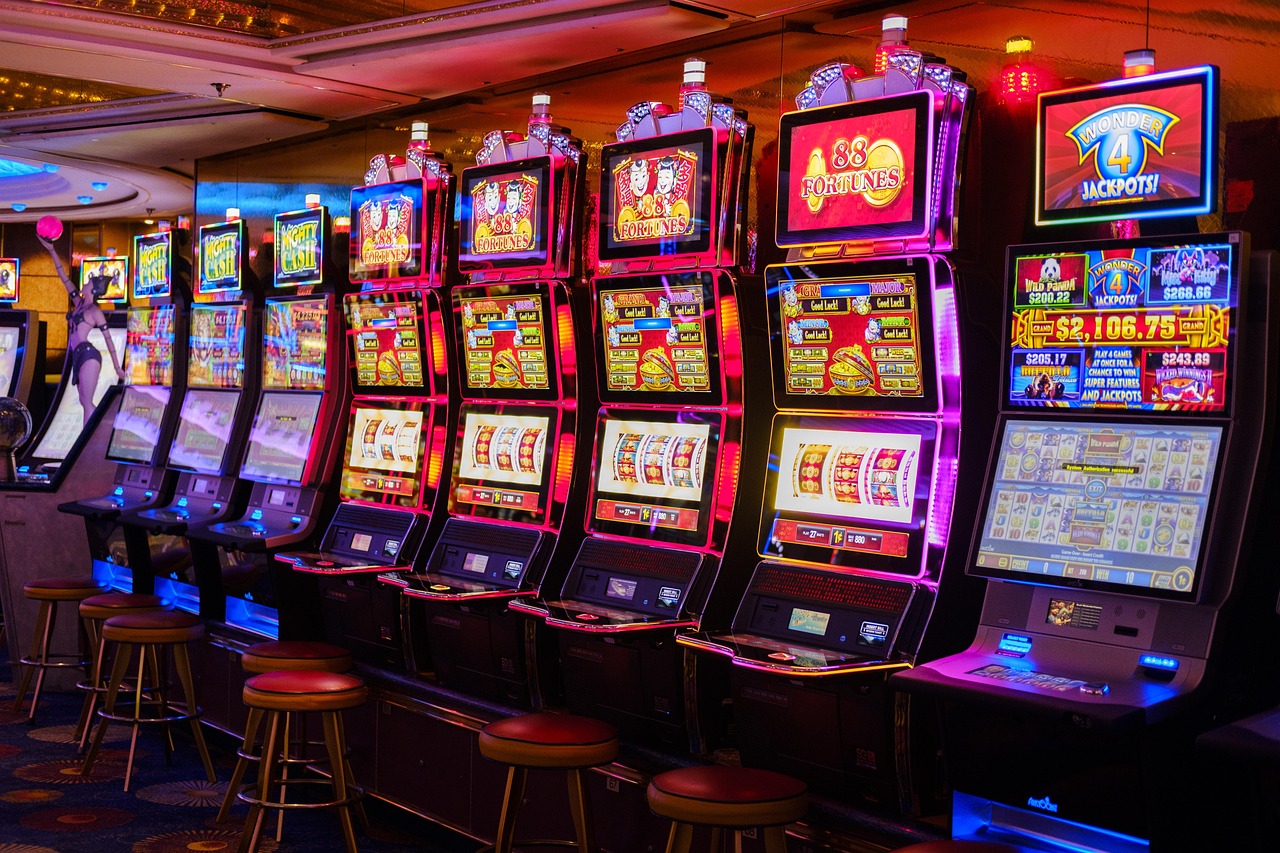
Federal authorities conducted a major raid on the Godwins and their company, Regional Amusements Inc., in August 2015 following allegations that they had operated illegal video sweepstakes machines at various locations, including convenience stores and restaurants throughout eastern North Carolina.
In a separate case, two other individuals, Brian Keith Weber and Kenneth Karl Fletcher, were indicted for similarly running an illegal electronic sweepstakes involving over five video gaming machines.
Legal Troubles of the Godwins
Shockingly, this is not the first time the Godwins found themselves on the wrong side of the law regarding gambling. Back in 2003, they were charged for operating illegal gambling businesses. At that time, Ricky Godwin Sr. faced a maximum sentence of 15 years in prison along with a hefty fine of $750,000. He ended up paying $5 million and forfeiting 326 video gaming machines, ultimately receiving probation.
On the contrary, his son faced a much harsher fate. Identified as one of the largest operators of illegal video poker machines in the state, he was handed a five-year prison sentence, alongside a maximum fine of $250,000, with an additional $200,000 penalty.
Legislation Surrounding Gambling in North Carolina
In 2006, North Carolina enforced a ban on video gambling machines, which was subsequently upheld by the State Supreme Court. This legislation aimed to curb illegal gambling activities and establish a better framework for law enforcement to act against such operations. A settlement was reached allowing establishments that had the banned machines to avoid prosecution if these were removed by a specified deadline.
Despite the ban, the Godwins and similar operators maintain that the machines constitute skill-based gaming and have vigorously contested the legality of the enforcement actions against them in court.
The Godwins have also reportedly engaged in lobbying efforts, donating substantial amounts to various state legislators’ campaigns as part of their strategy to challenge the ban on these gaming devices.
Additional Insights
- According to reports, the Godwins had a significant impact on the regional gambling landscape.
- Their operations created local jobs while also stirring controversy over legal boundaries in gambling operations.
- The case highlights ongoing conflicts between state regulations and individuals who operate outside the law.
- North Carolina’s gambling laws continue to evolve, adjusting amidst changing public perceptions and lobbying efforts.
This situation serves as a reminder of the persistent tension between legality and illicit gambling, as seen in similar cases across the United States. As authorities clamp down on illegal operations, advocates for regulated gaming continue their lobbying efforts for more supportive regulations.
Summary: In summary, the case of the Godwins represents a significant moment in North Carolina’s struggles with illegal gambling operations. As their plea agreement allows them to avoid prison, it underscores a complex problem faced by lawmakers and law enforcement, balancing regulation with public demand for gambling entertainment.