


Sweepstakes casino regulation tightens across US states

Sweepstakes casino regulation tightens across US states

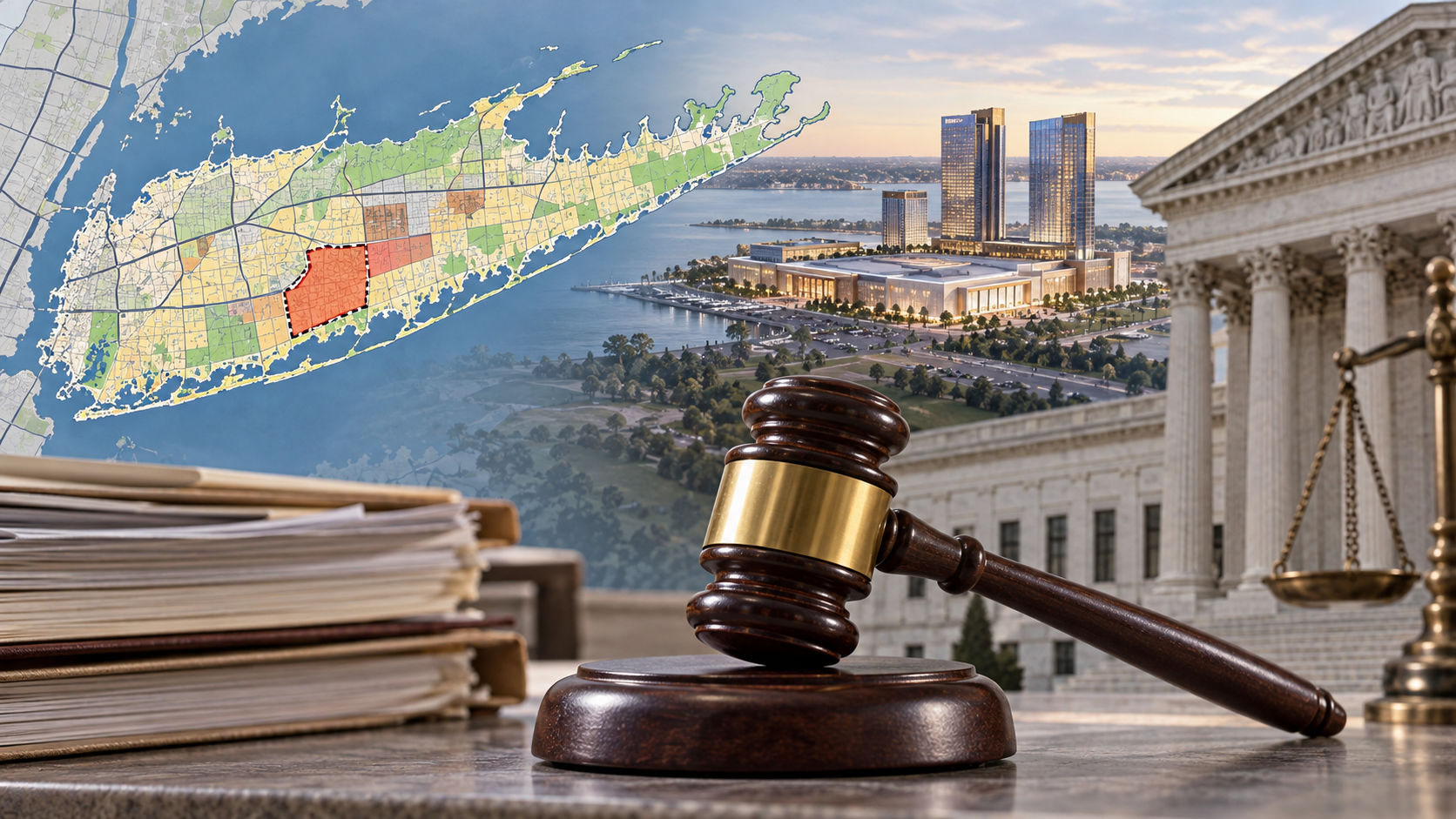
sweepstakes casino regulation US casino news illustration

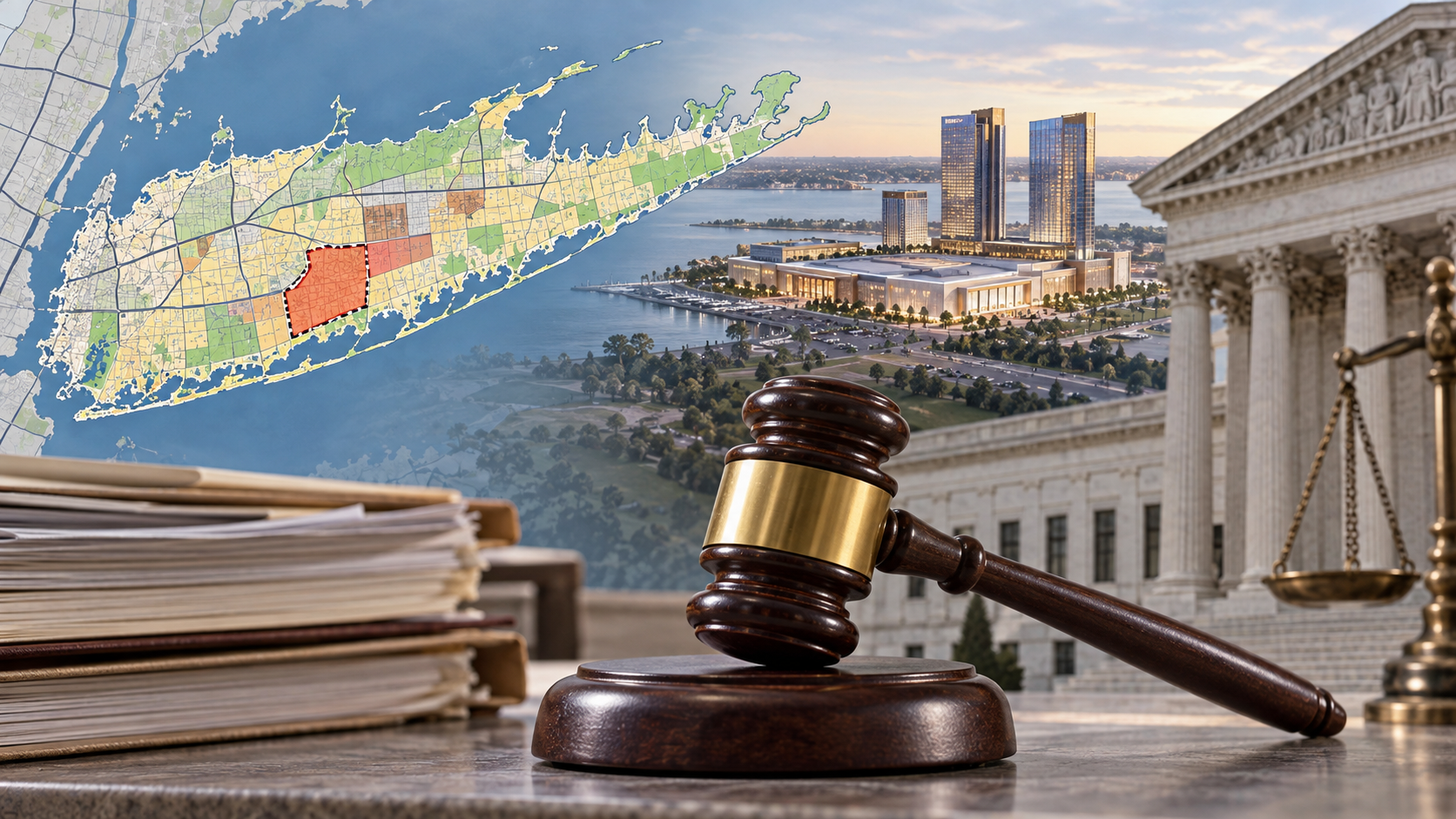
sweepstakes casino regulation is the focus of this US casino-news update after G3 Newswire: US states tighten pressure on sweepstakes casinos reported a development involving the American gambling, sports, hospitality, or gaming-technology market. The report is specific, but it also raises a broader question about how operators, regulators, teams, and customers respond when a fast-moving story reaches a public audience.

What the source reported

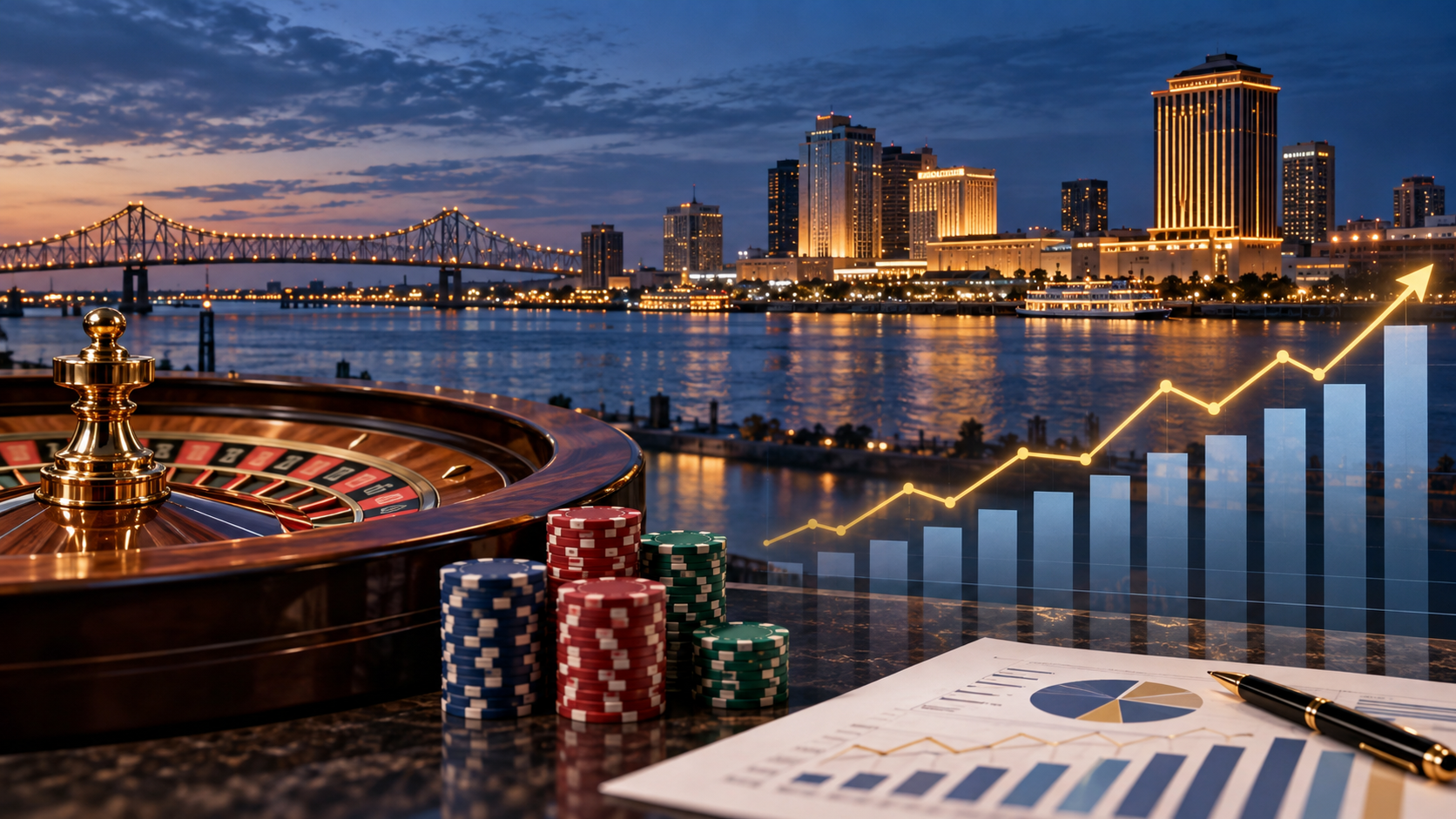
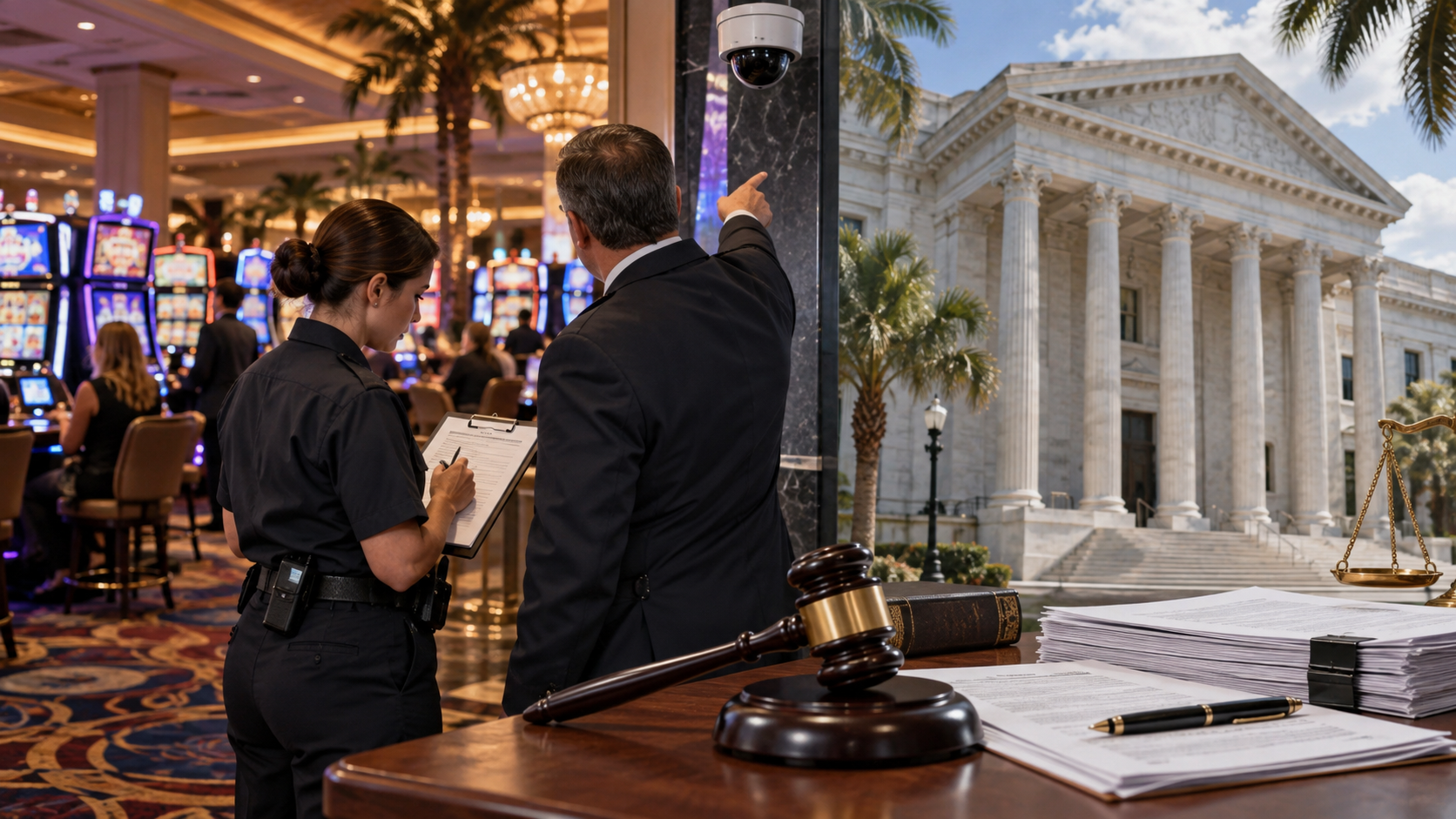
G3 Newswire reported that US states were increasing legislative and enforcement pressure on sweepstakes casino operators during the first half of 2026. The report cited Indiana restrictions on dual- or multi-currency systems, stronger Iowa enforcement powers, new Louisiana penalties, Maine restrictions, Oklahoma legislation, and Tennessee action under its consumer-protection law. Washington, D.C. was also considering legislation that would allow regulated online casino gaming while prohibiting sweepstakes casinos. The measures differ by jurisdiction and effective date.

The original report is the starting point for this article, not a substitute for an official filing, court order, regulator notice, or final company announcement. The difference matters. An earnings report records a period that has ended, a proposal can change before approval, and an arrest or lawsuit describes allegations that still have to move through a legal process. Readers should keep those categories separate when sharing or acting on the news.

Why this matters for the US market

The policy debate turns on how dual-currency products work, what consumers receive, and whether an offering is treated as a sweepstakes, gambling product, or another regulated activity. A law in one state does not automatically apply nationwide. Businesses, affiliates, suppliers, and customers all need to check the current rule in the jurisdiction where the activity occurs.

The United States is not one uniform casino or betting market. State laws, tribal arrangements, licensing conditions, taxes, age rules, advertising standards, and product definitions can differ substantially. A story about a Nevada resort, a Florida tribal property, an Iowa opening, a Maryland revenue report, or a New York partnership may have national interest while still producing local consequences. That is why a careful reader checks the jurisdiction and the organization with authority over the activity.

There is also a customer-experience issue. New entertainment, sports events, technology, and financial results can make a market look exciting, but excitement is not the same as value. Operators must balance demand with compliance, staffing, customer support, and transparent terms. Customers should make the same distinction: a new product or a large headline does not guarantee a win, a refund, a tax outcome, or a better offer.

What readers should watch next

Readers should rely on state gaming commissions, statutes, and enforcement notices for the latest position. Operators should not assume that a marketing label resolves licensing or consumer-protection obligations. Consumers should verify legality, age requirements, withdrawal rules, and identity checks, and should not use gambling products to make ends meet or chase losses.

For the most reliable follow-up, use the official sources below and look for dated updates rather than recycled headlines:

Related coverage

Existing coverage on this destination site can add local context. These links are provided for information and are not endorsements:

FAQ

What is the main takeaway from this sweepstakes casino regulation story?

The main takeaway is that a single news event needs context. Check what has actually been confirmed, which jurisdiction applies, and whether the next step is a filing, approval, hearing, opening, rollout, or follow-up report. Avoid turning a forecast or allegation into a certainty.

Does this news mean customers should place a bet?

No. News can explain a market, but it is not personal financial advice and it cannot predict an individual result. Check legality, read the market rules, and decide on a fixed entertainment budget before taking part.

Responsible gambling

Gambling involves risk and is not a way to make guaranteed income. Only participate where legal, set a budget and time limit before you begin, avoid chasing losses, and take breaks. If gambling is becoming difficult to control or is affecting your finances, relationships, or wellbeing, contact a qualified gambling-support service in your area.

Original source: G3 Newswire: US states tighten pressure on sweepstakes casinos. This article is an original summary and analysis for a US audience; it does not replace legal, financial, medical, tax, or regulatory advice.

Las Vegas Gambling: Assessing the Impact of Strip Improvements After the Vehicle-Ramming Attack

This table of contents provides a comprehensive overview of the thrilling world of Las Vegas gambling, detailing everything from the history of the Strip casinos to the strategies for winning at the slot machines.

Las Vegas Gambling: How Strip Improvements Impact the Gaming Experience

In light of the deadliest vehicle-ramming incident in US history, which occurred recently in New Orleans, it’s essential to reflect on how Las Vegas effectively reacted to a similar event nearly nine years ago.

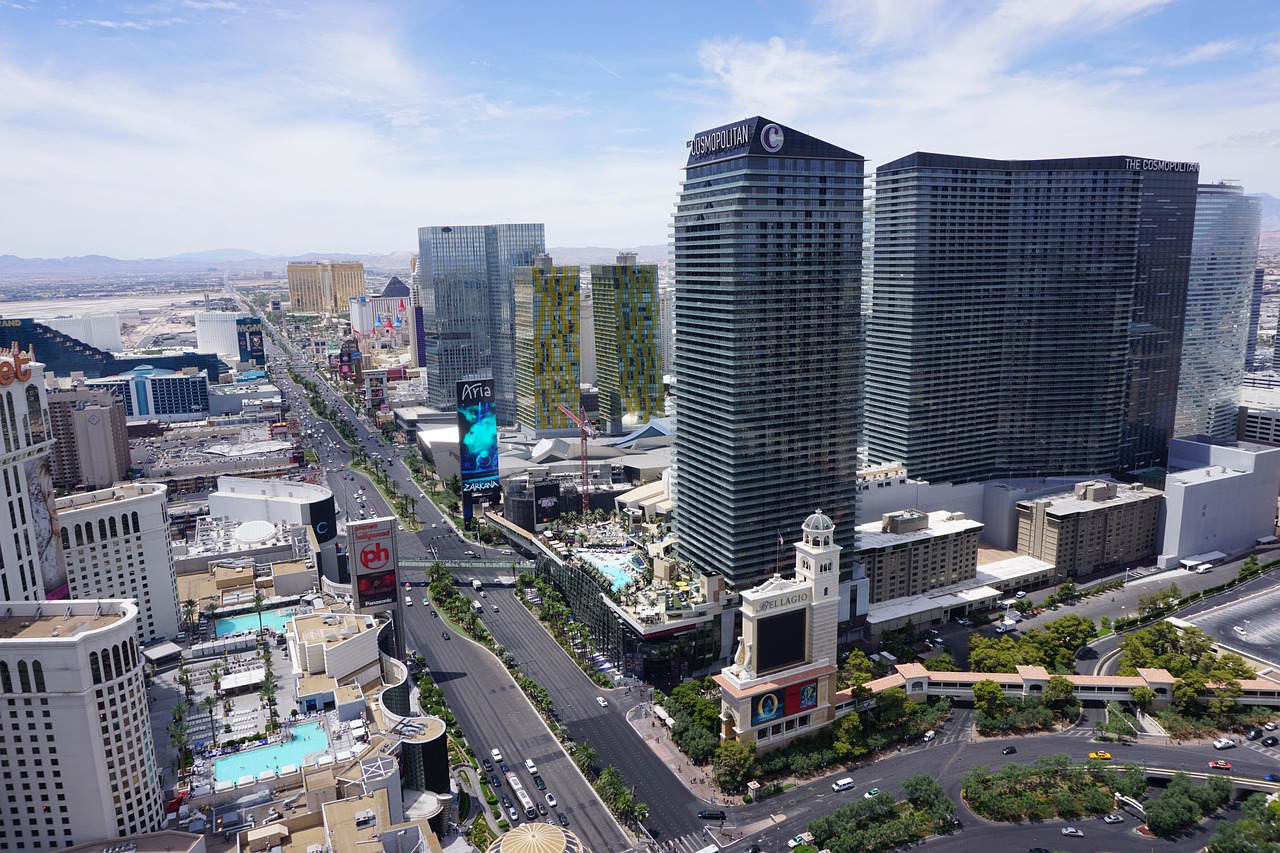
Las Vegas gambling
Image by AidanHowe from Pixabay

On December 20, 2015, near Paris Las Vegas, a woman drove her vehicle onto the sidewalk, tragically killing 32-year-old Arizona tourist Jessica Valenzuela and injuring 37 others.

Increased Safety Measures

In response, Clark County installed a series of cement bollards along the Las Vegas Strip stretching all the way from the iconic Welcome to Las Vegas sign to Sahara Avenue. This initiative, involving the installation of 5,600 crash-rated bollards, 640 linear feet of post and cable protection, and 1,635 linear feet of concrete crash walls, aimed to enhance pedestrian safety and was completed between 2017 and 2019, costing taxpayers over $22 million.

According to Kimley-Horn, a North Carolina engineering firm responsible for the design of these safeguards, the protective measures provide over eight total miles of safety along this busy corridor.

Surviving the Incident

The alleged perpetrator, Lakeisha Holloway, had been living out of her car shortly before the incident. She claimed to police that “hurt people hurt people,” signifying a troubled mindset. During the attack, her three-year-old daughter was also present in the vehicle but thankfully went unharmed.

Las Vegas gambling
Image by Alexas_Fotos from Pixabay

Holloway faced serious legal repercussions, with charges including murder with a deadly weapon and child abuse, compounded by ongoing mental health challenges that delayed her trial.

Ongoing Legal Proceedings

As of May 2023, Holloway had rejected a plea deal intended to expedite her legal process and her trial is anticipated to commence in March, nearly a decade after the attack.

Conclusion

The commitment of Las Vegas to enhance public safety post-attack illustrates a proactive approach to urban security. While tragic incidents cannot be entirely prevented, the implementation of robust safety measures significantly lowers risks for pedestrians along one of the world’s most famous thoroughfares.

Las Vegas Grand Prix planners reject a second consecutive weekend idea

Las Vegas Grand Prix planners reject a second consecutive weekend idea

Las Vegas Grand Prix US casino news illustration

Las Vegas Grand Prix is the focus of this US casino-news update after Casino.org News: F1 Briefly Explored Back-to-Back Las Vegas Grand Prix Weekends reported a development involving the American gambling, sports, hospitality, or gaming-technology market. The report is specific, but it also raises a broader question about how operators, regulators, teams, and customers respond when a fast-moving story reaches a public audience.

What the source reported

Casino.org reported that Formula 1 briefly examined holding a second consecutive Las Vegas Grand Prix weekend as a contingency for late-season races in Qatar and Abu Dhabi. The proposed weekend would have followed the existing November 21 race, using infrastructure already in place. F1 CEO Stefano Domenicali said the concept was shelved because two events could dilute demand, while Thanksgiving and the NFL created additional travel and viewership conflicts.

The original report is the starting point for this article, not a substitute for an official filing, court order, regulator notice, or final company announcement. The difference matters. An earnings report records a period that has ended, a proposal can change before approval, and an arrest or lawsuit describes allegations that still have to move through a legal process. Readers should keep those categories separate when sharing or acting on the news.

Why this matters for the US market

The decision is a useful lesson in event economics. Scarcity, timing, travel capacity, access, and audience attention all influence the value of a major race. Reusing infrastructure may reduce some costs, but it does not guarantee that a second weekend would create the same excitement or pricing power as the established event.

The United States is not one uniform casino or betting market. State laws, tribal arrangements, licensing conditions, taxes, age rules, advertising standards, and product definitions can differ substantially. A story about a Nevada resort, a Florida tribal property, a Kentucky lottery winner, a California technology installation, or a New York legal dispute may have national interest while still producing local consequences. That is why a careful reader checks the jurisdiction and the organization with authority over the activity.

There is also a customer-experience issue. New entertainment, sports events, technology, and financial results can make a market look exciting, but excitement is not the same as value. Operators must balance demand with compliance, staffing, customer support, and transparent terms. Customers should make the same distinction: a new product or a large headline does not guarantee a win, a refund, a tax outcome, or a better offer.

What readers should watch next

Visitors should watch the official calendar and event guidance rather than plan around a contingency that was not adopted. Hotels, shows, restaurants, and casino resorts can all feel the impact of a major weekend, but customers should compare prices and cancellation terms. A large event also does not make gambling a sensible way to fund a trip.

For the most reliable follow-up, use the official sources below and look for dated updates rather than recycled headlines:

Related coverage

Existing coverage on this destination site can add local context. These links are provided for information and are not endorsements:

FAQ

What is the main takeaway from this Las Vegas Grand Prix story?

The main takeaway is that a single news event needs context. Check what has actually been confirmed, which jurisdiction applies, and whether the next step is a filing, approval, hearing, opening, rollout, or follow-up report. Avoid turning a forecast or allegation into a certainty.

Does this news mean customers should place a bet?

No. News can explain a market, but it is not personal financial advice and it cannot predict an individual result. Check legality, read the market rules, and decide on a fixed entertainment budget before taking part.

Responsible gambling

Gambling involves risk and is not a way to make guaranteed income. Only participate where legal, set a budget and time limit before you begin, avoid chasing losses, and take breaks. If gambling is becoming difficult to control or is affecting your finances, relationships, or wellbeing, contact a qualified gambling-support service in your area.

Original source: Casino.org News: F1 Briefly Explored Back-to-Back Las Vegas Grand Prix Weekends. This article is an original summary and analysis for a US audience; it does not replace legal, financial, medical, tax, or regulatory advice.

Alastair Campbells $370K Loss in a Sports Betting Scheme

This document provides a detailed outline of various illegal and sophisticated schemes designed to manipulate outcomes, serving as a comprehensive guide for those looking to understand how complex systems can impact the integrity of sports betting and the broader gambling industry.

Alastair Campbell’s $370K Loss in a High-Stakes Sports Betting Scheme

Alastair Campbell, a prominent figure in UK politics and former director of communications for Tony Blair, recently encountered a severe financial setback, having invested £300,000 (approximately $370,000) into his son Rory’s failing soccer-betting syndicate, according to The Daily Mail.

Betting scheme
Image by Bluesnap from Pixabay

Campbell, now 67, is one of over 50 investors who collectively poured at least £5 million ($6.1 million) into the venture, which was spearheaded by his son, Rory Campbell, age 37.

The Betting Scheme’s Collapse

This syndicate intended to leverage mathematical models to secure an advantage in the betting markets. However, two weeks ago, investors were informed of the enterprise’s collapse as sportsbooks in Asia neglected to pay out winnings.

Rory Campbell had previously reassured investors that there were no liquidity issues, promising a full return of their investments by the end of July. However, as the situation unfolded, this projection was revised down to a mere 50%-65% return.

Claims of Low Risk

Investors were drawn in by promises of low risks associated with the betting scheme, with one investor noting that Campbell claimed he could never lose more than 5% of the total betting fund from a single bookmaker. Yet, the sudden announcement of the fund’s disappearance left investors scrambling for clarity.

“All the money has just vanished,” one investor lamented. “We demand a transparent explanation of where these millions of pounds have disappeared,” they added.

Seeking Justice

As frustrated investors seek restitution, discussions with the Campbell family are underway, albeit many suspects they may only recover a fraction—approximately 15%—of their losses. A group of investors is compiling evidence, including contracts and communications with Campbell, to present to the police in hopes of accountability.

Official Response

A representative from the Campbell camp indicated that the media coverage may not fully represent the ongoing complexities of the situation, emphasizing confidentiality still surrounds discussions aimed at resolution.

Campbell’s Political Legacy

Alastair Campbell was an instrumental figure in Blair’s administration from 1997 to 2003, playing a crucial role in shaping governmental communication and strategy. His legacy, however, now faces scrutiny due to his son’s financial misadventures.

Conclusion

The collapse of Rory Campbell’s betting syndicate not only represents a personal loss for Alastair Campbell but also reflects broader challenges within the investment and betting industries. Investors are left questioning the management and transparency of high-stakes ventures that promise security yet deliver significant risks.

Casino counterfeit lawsuit puts promotional merchandise controls under scrutiny

Casino counterfeit lawsuit puts promotional merchandise controls under scrutiny

A casino counterfeit lawsuit involving Live! Casino Maryland and a Las Vegas promotional supplier shows how a giveaway item can create legal exposure far beyond the gaming floor. Casino.org reported that Live! Casino is suing Power Promotions, alleging that the vendor supplied promotional handbags that resembled Louis Vuitton designs and triggered a federal trademark dispute. The report describes allegations in litigation, not a final finding of liability.

How promotional merchandise becomes a compliance issue

Casinos often use branded or themed merchandise for loyalty programs, special events, and player promotions. The items may be purchased through an outside supplier, but the casino’s name is still associated with what guests receive. A design that appears attractive in a catalog can create problems if it copies protected trade dress, uses a brand name without authorization, or comes from a manufacturer that has not completed a proper rights review.

The source report said Live! Casino claims Power Promotions was responsible for ensuring that the bags complied with intellectual-property laws. It also reported that the vendor’s owner allegedly relied on an overseas manufacturer rather than legal counsel to review the design. Those claims will need to be tested in court. They nevertheless illustrate why a purchase order alone may not be enough for a high-visibility promotion.

Supplier controls need to be specific

A strong supplier process can identify who created the artwork, who owns the design, which marks appear on the product, and what permissions exist. Contracts can require representations about originality, indemnification for infringement claims, approval of samples, and records showing the production chain. Casinos may also want a documented review for products that resemble luxury goods, sports brands, entertainment properties, or recognizable logos.

These controls are practical because a legal dispute can interrupt a promotion even before a court reaches the merits. Inventory may need to be held, advertising may need to be changed, and staff may need to explain why an item is no longer available. The cost can include outside counsel, replacement merchandise, customer dissatisfaction, and reputational damage.

What the lawsuit does not establish

Being named in a complaint does not prove that a defendant infringed a trademark. The allegations, defenses, evidence, and court decisions all matter. Readers should avoid presenting the claimed design as definitively counterfeit until the legal process determines what happened and who was responsible. The source report also said Power Promotions had not responded at the time of publication.

For casino operators, the broader lesson is to treat promotions as a compliance function as well as a marketing function. A memorable giveaway should strengthen a guest relationship, not create a surprise legal bill. Procurement, marketing, risk, and legal teams should be involved early enough to catch problems before products are ordered.

Responsible gambling note

Promotions and loyalty gifts should not encourage spending beyond a personal limit. Read the terms, set a gambling budget, and remember that a free item never changes the odds of a casino game.

Promotions need an approval chain

A casino promotion can pass through marketing, procurement, a vendor, a manufacturer, a freight provider, and the property’s distribution team. Each handoff is a chance for an artwork file, product description, or supplier assumption to become detached from the legal review. A simple approval chain with named responsibility can help preserve the record of what was checked.

The dispute is also a reminder that partnerships do not transfer every risk away from the casino. Contracts can allocate responsibility, but customers and the public may still connect the merchandise with the casino brand. Early review is usually less expensive than recalling a product after a rights holder complains.

FAQ

Has the court found the bags counterfeit?

Not based on the source report. Live! Casino’s complaint contains allegations, and the litigation must determine the facts, legal responsibility, and any remedies.

Why should casinos review promotional suppliers?

Promotional products can carry trademark, copyright, quality, and reputational risks. Written rights assurances, sample approval, supplier records, and legal review can reduce surprises before a product is distributed.

Source and further reading

Original source: Casino.org News, “Live! Casino Sues Merchandise Vendor Over Alleged Fake Louis Vuitton Bags”.

Authoritative context:

Related coverage:

poker cheating editorial illustration

Poker cheating case brings guilty pleas in alleged Mafia-backed network

Poker cheating case brings guilty pleas in alleged Mafia-backed network

poker cheating is back in focus for US gambling readers after Gambino Scion, Alleged NBA Betting Fixer Among Four to Plead Guilty in Mafia Poker Cheating Case highlighted a development published on 2026-07-29. The underlying facts are specific to this story, but the broader market question is familiar: how should operators, regulators, investors, and everyday customers interpret change in a market where casino economics, wagering policy, technology, and consumer protection all move at different speeds?

What happened

Casino.org reported that four people pleaded guilty in a case involving an alleged Mafia-backed poker cheating network, including defendants linked by prosecutors to separate basketball-betting investigations.

  • Three defendants pleaded guilty to conspiracy to commit wire fraud on July 28, while another pleaded guilty to operating an illegal gambling business.
  • The indictment charged 31 defendants in an alleged scheme involving concealed technology and coordinated players.
  • The reported poker games took place in Manhattan, the Hamptons, and Las Vegas.
  • The source described allegations and court proceedings; remaining defendants are entitled to the presumption of innocence.

The original report matters because it gives a dated source trail instead of rumor alone. In this case, the clearest takeaway is not simply the headline number or the headline conflict. It is the way the update fits into the current US casino and wagering landscape, where state-by-state rules, operator strategy, and consumer expectations can push the same type of news in very different directions.

Why poker cheating matters now

poker cheating cases underscore the role of game security, evidence preservation, venue controls, and careful reporting when criminal allegations affect gambling businesses. That makes poker cheating a useful lens for readers tracking high-stakes poker cheating, NBA betting investigation, illegal gambling case. A single earnings update, regulatory move, or partnership discussion rarely changes the whole industry by itself, but it can reveal where capital, enforcement, and customer attention are heading next.

It also helps to keep the timeline straight. This source story is a July 2026 development, not a historical case study. That means readers should distinguish confirmed facts from follow-on speculation, especially where legislation, partnerships, or future revenue implications are concerned. In a fast-moving market, precision matters more than hype.

What operators, regulators, and consumers should watch

Operators will read this kind of news through margins, product mix, and long-term positioning. Regulators will focus on legality, disclosure, compliance, consumer harm, and whether the public record is clear enough to support oversight. Consumers should read it more practically: what product is actually being offered, which authority is relevant, what limits or rules apply, and whether the story changes the real-world experience of gambling customers today.

Those practical questions become clearer when readers compare the original report with supporting material such as Gambino Scion, Alleged NBA Betting Fixer Among Four to Plead Guilty in Mafia Poker Cheating Case, U.S. Department of Justice, Federal Bureau of Investigation. On the destination site, related coverage including Casino security footage helps investigators identify suspect after Indiana racino robbery attempt, How to Manage Massive Lottery Winnings: Lessons from a Last-Minute $1M Powerball Win | 10BET, Foxwoods casino opens Innovation Zone at The Fox Tower adds context about how the same themes have appeared in other casino and betting stories. Those links are for context, not endorsement, and they help show how this one development connects to wider US gambling coverage.

What comes next

follow official court filings and avoid presenting allegations against any unconvicted defendant as established fact. For that reason, the most responsible interpretation is a measured one. Readers should expect more reporting, follow the relevant regulator or operator, and avoid treating an initial report as the final word when legal status, implementation, or commercial impact may still evolve.

That is especially true in casino and betting coverage because the stakes extend beyond revenue headlines. Product access, state legality, tax collections, responsible-gambling systems, and public trust all matter. A strong article keeps the original source visible, adds authoritative context, and avoids inventing claims that the source did not actually make.

FAQ

Does this update change gambling rules everywhere in the United States?

No. Casino and betting rules remain heavily shaped by state law, tribal compacts, licensing conditions, and regulator guidance. A development in one jurisdiction or company does not automatically apply nationwide.

What should readers verify before acting on this kind of news?

Check the original source, confirm the date, identify the relevant regulator or operator, and review any official terms or legislative text before treating the story as settled.

How can gambling stay recreational?

Set a budget before you play, avoid chasing losses, take breaks, and treat gambling as entertainment rather than income. If it stops feeling manageable, reach out to a qualified support service.

Responsible gambling: Gambling involves risk and is not a guaranteed way to make money. Only play where legal, use funds you can afford to lose, and seek help if gambling is affecting your finances, relationships, or wellbeing.

Original source: Gambino Scion, Alleged NBA Betting Fixer Among Four to Plead Guilty in Mafia Poker Cheating Case. Authoritative supporting links: Gambino Scion, Alleged NBA Betting Fixer Among Four to Plead Guilty in Mafia Poker Cheating Case, U.S. Department of Justice, Federal Bureau of Investigation.

casino security editorial illustration

Casino security footage helps investigators identify suspect after Indiana racino robbery attempt

Casino security footage helps investigators identify suspect after Indiana racino robbery attempt

casino security is back in focus for US gambling readers after 88-Year-Old Woman Fights Off Attempted Casino Robber highlighted a development published on 2026-07-28. The underlying facts are specific to this story, but the broader market question is familiar: how should operators, regulators, investors, and everyday customers interpret change in a market where casino economics, wagering policy, technology, and consumer protection all move at different speeds?

What happened

Casino.org reported that a 42-year-old woman was arrested after an alleged attempted robbery outside Harrah’s Hoosier Park Racing & Casino in Anderson, Indiana. The source said casino surveillance helped investigators identify the vehicle and connect it to the alleged incident.

  • The alleged incident involved an 88-year-old woman and her daughter in the racino parking area.
  • The source said the suspect was identified using casino security footage and a distinctive vehicle detail.
  • The suspect faces a fifth-degree felony robbery charge and possible additional sentencing consequences if convicted.
  • The report described the allegations and court records; it did not represent a conviction.

The original report matters because it gives a dated source trail instead of rumor alone. In this case, the clearest takeaway is not simply the headline number or the headline conflict. It is the way the update fits into the current US casino and wagering landscape, where state-by-state rules, operator strategy, and consumer expectations can push the same type of news in very different directions.

Why casino security matters now

casino security includes surveillance, staff response, parking-lot awareness, police coordination, and careful public communication after an incident. That makes casino security a useful lens for readers tracking casino surveillance, racing casino safety, Indiana casino crime. A single earnings update, regulatory move, or partnership discussion rarely changes the whole industry by itself, but it can reveal where capital, enforcement, and customer attention are heading next.

It also helps to keep the timeline straight. This source story is a July 2026 development, not a historical case study. That means readers should distinguish confirmed facts from follow-on speculation, especially where legislation, partnerships, or future revenue implications are concerned. In a fast-moving market, precision matters more than hype.

What operators, regulators, and consumers should watch

Operators will read this kind of news through margins, product mix, and long-term positioning. Regulators will focus on legality, disclosure, compliance, consumer harm, and whether the public record is clear enough to support oversight. Consumers should read it more practically: what product is actually being offered, which authority is relevant, what limits or rules apply, and whether the story changes the real-world experience of gambling customers today.

Those practical questions become clearer when readers compare the original report with supporting material such as 88-Year-Old Woman Fights Off Attempted Casino Robber, Indiana courts, Indiana Gaming Commission. On the destination site, related coverage including How to Manage Massive Lottery Winnings: Lessons from a Last-Minute $1M Powerball Win | 10BET, Foxwoods casino opens Innovation Zone at The Fox Tower, Casino food and beverage spotlight follows Coeur d’Alene chef certification adds context about how the same themes have appeared in other casino and betting stories. Those links are for context, not endorsement, and they help show how this one development connects to wider US gambling coverage.

What comes next

follow official court records and avoid presenting allegations as proven facts while the criminal case proceeds. For that reason, the most responsible interpretation is a measured one. Readers should expect more reporting, follow the relevant regulator or operator, and avoid treating an initial report as the final word when legal status, implementation, or commercial impact may still evolve.

That is especially true in casino and betting coverage because the stakes extend beyond revenue headlines. Product access, state legality, tax collections, responsible-gambling systems, and public trust all matter. A strong article keeps the original source visible, adds authoritative context, and avoids inventing claims that the source did not actually make.

FAQ

Does this update change gambling rules everywhere in the United States?

No. Casino and betting rules remain heavily shaped by state law, tribal compacts, licensing conditions, and regulator guidance. A development in one jurisdiction or company does not automatically apply nationwide.

What should readers verify before acting on this kind of news?

Check the original source, confirm the date, identify the relevant regulator or operator, and review any official terms or legislative text before treating the story as settled.

How can gambling stay recreational?

Set a budget before you play, avoid chasing losses, take breaks, and treat gambling as entertainment rather than income. If it stops feeling manageable, reach out to a qualified support service.

Responsible gambling: Gambling involves risk and is not a guaranteed way to make money. Only play where legal, use funds you can afford to lose, and seek help if gambling is affecting your finances, relationships, or wellbeing.

Original source: 88-Year-Old Woman Fights Off Attempted Casino Robber. Authoritative supporting links: 88-Year-Old Woman Fights Off Attempted Casino Robber, Indiana courts, Indiana Gaming Commission.

How to Manage Massive Lottery Winnings: Lessons from a Last-Minute $1M Powerball Win | 10BET

Table of Contents: Navigating the process of claiming your unclaimed lottery winnings and maximizing your chances of success.

Unclaimed Lottery Winnings: How Last-Minute Jackpots Change the Fate of Winners

In an astonishing turn of events, a winning Powerball ticket worth $1 million was redeemed from the Hoosier Lottery in Indiana a mere five hours before it was set to expire. This remarkable story unfolded on December 26, 2024, when Indiana officials reported that the fortunate winners discovered the ticket just in time after an unexpected search on Christmas Day.

unclaimed lottery
Image by munki from Pixabay

unclaimed lottery
Image by ClickerHappy from Pixabay

According to the details shared by the Hoosier Lottery, a couple from Kendallville visited the Prize Payment Office in downtown Indianapolis on December 26. Opting to remain anonymous, they narrated how they found the winning ticket after days of diligent searching.

Match and Missed Opportunity

This winning ticket matched five white balls from the drawing held on June 29, which were 26, 51, 54, 61, and 69. However, it narrowly missed the jackpot by failing to match the red Powerball number, 25. Had they matched it, the couple would have won the massive $115.5 million jackpot. Interestingly, this ticket was one of only two that matched the five white balls drawn during that period; the second ticket was sold in New Jersey.

Both winners missed out on the optional $1 Power Play which could have doubled their winnings to a staggering $2 million.

A Race Against Time

In Indiana, lottery winners typically have 180 days post-drawing to claim their prizes. Recognizing the impending deadline, the Hoosier Lottery initiated a thorough communication campaign to alert players that a significant win remained unclaimed.

The couple had initially seen local news and signage at gas stations warning about the unclaimed ticket, yet they assumed they hadn’t participated in that lottery draw. Spurred by the news of the ticket nearing expiration, they embarked on an early morning search on Christmas Day, combing through their vehicle before uncovering the long-lost ticket.

Financial Implications

The excitement of winning $1 million is tempered by federal and state taxes. The winnings are subject to a 37% federal tax along with Indiana’s state tax rate of 3.05%, substantially reducing the actual amount received.

Unclaimed Lottery Tickets: A National Issue

According to estimates from Casino.org, a staggering $3 billion in lottery tickets goes unclaimed every year across the United States. While many of these tickets hold small values, the totality of unclaimed winnings escalates as 45 out of 50 states participate in lotteries.

Historically, substantial jackpots have gone unclaimed; in Georgia, a Powerball ticket worth $77 million expired in 2011, and a separate incident in Florida involved a $50 million ticket going uncashed two years later. Notably, in 2022, a $68 million Mega Millions ticket in New York also remained unclaimed.

Unredeemed lottery winnings revert to the state lotteries, ensuring funds are reused for either prize distributions or local programs. States with online lottery options assure ticket holders that their chances are safeguarded since wins are directly credited to players’ accounts, leading to fewer lost tickets and unclaimed funds.

Conclusion

The sheer thrill of discovering a million-dollar winning ticket just hours before its expiration illustrates the importance of vigilance in playing the lottery. With millions of dollars going unclaimed each year, both players and state lotteries continue navigating the landscape of wins, losses, and the thrill of chance.

Foxwoods casino editorial illustration

Foxwoods casino opens Innovation Zone at The Fox Tower

Foxwoods casino opens Innovation Zone at The Fox Tower

Foxwoods casino is back in focus for US gambling readers after Foxwoods Debuts The Innovation Zone at The Fox Tower highlighted a development published on 2026-07-27. The underlying facts are specific to this story, but the broader market question is familiar: how should operators, regulators, investors, and everyday customers interpret change in a market where casino economics, wagering policy, technology, and consumer protection all move at different speeds?

What happened

Indian Gaming reported that Foxwoods Resort Casino opened The Innovation Zone, a dedicated gaming area inside The Fox Tower focused on new casino experiences and technology.

  • The new area is located inside The Fox Tower at Foxwoods Resort Casino in Mashantucket, Connecticut.
  • The source described the Innovation Zone as a dedicated gaming area rather than a separate casino property.
  • The development was presented as part of Foxwoods’ effort to introduce new experiences for guests.

The original report matters because it gives a dated source trail instead of rumor alone. In this case, the clearest takeaway is not simply the headline number or the headline conflict. It is the way the update fits into the current US casino and wagering landscape, where state-by-state rules, operator strategy, and consumer expectations can push the same type of news in very different directions.

Why Foxwoods casino matters now

Foxwoods casino developments show how established resorts can test new formats without rebuilding an entire property. An innovation area can give operators a place to evaluate floor design, game technology and guest response, while still operating within Connecticut’s regulated tribal-casino framework.. That makes Foxwoods casino a useful lens for readers tracking US casino regulation, operator performance, and gambling policy. A single earnings update, regulatory move, or partnership discussion rarely changes the whole industry by itself, but it can reveal where capital, enforcement, and customer attention are heading next.

It also helps to keep the timeline straight. This source story is a July 2026 development, not a historical case study. That means readers should distinguish confirmed facts from follow-on speculation, especially where legislation, partnerships, or future revenue implications are concerned. In a fast-moving market, precision matters more than hype.

What operators, regulators, and consumers should watch

Operators will read this kind of news through margins, product mix, and long-term positioning. Regulators will focus on legality, disclosure, compliance, consumer harm, and whether the public record is clear enough to support oversight. Consumers should read it more practically: what product is actually being offered, which authority is relevant, what limits or rules apply, and whether the story changes the real-world experience of gambling customers today.

Those practical questions become clearer when readers compare the original report with supporting material such as Foxwoods Debuts The Innovation Zone at The Fox Tower, Foxwoods Resort Casino. On the destination site, related coverage including Casino food and beverage spotlight follows Coeur d’Alene chef certification, Online Poker Legal Battles: Inside the $30 Million Scott Ball vs. ACR Dispute | 10BET, Slot machine news: Mohegan Sun adds a new Aristocrat title to its floor adds context about how the same themes have appeared in other casino and betting stories. Those links are for context, not endorsement, and they help show how this one development connects to wider US gambling coverage.

What comes next

Guests should use Foxwoods’ official channels for operating details, access information and current offerings. New technology can change the look of a casino floor, but it does not remove the need to understand game rules, odds, age requirements and responsible-gambling tools.. For that reason, the most responsible interpretation is a measured one. Readers should expect more reporting, follow the relevant regulator or operator, and avoid treating an initial report as the final word when legal status, implementation, or commercial impact may still evolve.

That is especially true in casino and betting coverage because the stakes extend beyond revenue headlines. Product access, state legality, tax collections, responsible-gambling systems, and public trust all matter. A strong article keeps the original source visible, adds authoritative context, and avoids inventing claims that the source did not actually make.

FAQ

Does this update change gambling rules everywhere in the United States?

No. Casino and betting rules remain heavily shaped by state law, tribal compacts, licensing conditions, and regulator guidance. A development in one jurisdiction or company does not automatically apply nationwide.

What should readers verify before acting on this kind of news?

Check the original source, confirm the date, identify the relevant regulator or operator, and review any official terms or legislative text before treating the story as settled.

How can gambling stay recreational?

Set a budget before you play, avoid chasing losses, take breaks, and treat gambling as entertainment rather than income. If it stops feeling manageable, reach out to a qualified support service.

Responsible gambling: Gambling involves risk and is not a guaranteed way to make money. Only play where legal, use funds you can afford to lose, and seek help if gambling is affecting your finances, relationships, or wellbeing.

Original source: Foxwoods Debuts The Innovation Zone at The Fox Tower. Authoritative supporting links: Foxwoods Debuts The Innovation Zone at The Fox Tower, Foxwoods Resort Casino.

casino food and beverage editorial illustration

Casino food and beverage spotlight follows Coeur d’Alene chef certification

Casino food and beverage spotlight follows Coeur d’Alene chef certification

casino food and beverage is back in focus for US gambling readers after Coeur d’Alene Casino’s Chef Earns ACF Executive Certification highlighted a development published on 2026-07-24. The underlying facts are specific to this story, but the broader market question is familiar: how should operators, regulators, investors, and everyday customers interpret change in a market where casino economics, wagering policy, technology, and consumer protection all move at different speeds?

What happened

Indian Gaming reported that Coeur d’Alene Casino Resort Hotel chef Alex Santos-Cucalon earned Certified Executive Chef status from the American Culinary Federation. The article also described a three-year apprenticeship partnership with North Idaho College and the ACF.

  • The certification requires specified work experience, practical and written exams, and continuing education, according to the source.
  • The certification is valid for five years with 80 continuing-education hours required for renewal.
  • The casino’s apprenticeship program combines classroom work at North Idaho College with on-the-job training.

The original report matters because it gives a dated source trail instead of rumor alone. In this case, the clearest takeaway is not simply the headline number or the headline conflict. It is the way the update fits into the current US casino and wagering landscape, where state-by-state rules, operator strategy, and consumer expectations can push the same type of news in very different directions.

Why casino food and beverage matters now

Casino food and beverage operations are part of the wider resort experience, and formal training can affect service quality, staffing, and career development. The story is an operations update rather than a claim that one certification measures the full guest experience.. That makes casino food and beverage a useful lens for readers tracking casino resort dining, ACF executive chef certification, casino hospitality training. A single earnings update, regulatory move, or partnership discussion rarely changes the whole industry by itself, but it can reveal where capital, enforcement, and customer attention are heading next.

It also helps to keep the timeline straight. This source story is a July 2026 development, not a historical case study. That means readers should distinguish confirmed facts from follow-on speculation, especially where legislation, partnerships, or future revenue implications are concerned. In a fast-moving market, precision matters more than hype.

What operators, regulators, and consumers should watch

Operators will read this kind of news through margins, product mix, and long-term positioning. Regulators will focus on legality, disclosure, compliance, consumer harm, and whether the public record is clear enough to support oversight. Consumers should read it more practically: what product is actually being offered, which authority is relevant, what limits or rules apply, and whether the story changes the real-world experience of gambling customers today.

Those practical questions become clearer when readers compare the original report with supporting material such as Coeur d’Alene Casino’s Chef Earns ACF Executive Certification, American Culinary Federation. On the destination site, related coverage including Online Poker Legal Battles: Inside the $30 Million Scott Ball vs. ACR Dispute | 10BET, Slot machine news: Mohegan Sun adds a new Aristocrat title to its floor, Online Casinos Drive Michigans Gaming Industry to Half-Billion Revenue adds context about how the same themes have appeared in other casino and betting stories. Those links are for context, not endorsement, and they help show how this one development connects to wider US gambling coverage.

What comes next

Watch how the apprenticeship develops, whether additional apprentices join, and how the property connects culinary training to guest services. Certification details should be verified with the ACF rather than inferred from a headline.. For that reason, the most responsible interpretation is a measured one. Readers should expect more reporting, follow the relevant regulator or operator, and avoid treating an initial report as the final word when legal status, implementation, or commercial impact may still evolve.

That is especially true in casino and betting coverage because the stakes extend beyond revenue headlines. Product access, state legality, tax collections, responsible-gambling systems, and public trust all matter. A strong article keeps the original source visible, adds authoritative context, and avoids inventing claims that the source did not actually make.

FAQ

Does this update change gambling rules everywhere in the United States?

No. Casino and betting rules remain heavily shaped by state law, tribal compacts, licensing conditions, and regulator guidance. A development in one jurisdiction or company does not automatically apply nationwide.

What should readers verify before acting on this kind of news?

Check the original source, confirm the date, identify the relevant regulator or operator, and review any official terms or legislative text before treating the story as settled.

How can gambling stay recreational?

Set a budget before you play, avoid chasing losses, take breaks, and treat gambling as entertainment rather than income. If it stops feeling manageable, reach out to a qualified support service.

Responsible gambling: Gambling involves risk and is not a guaranteed way to make money. Only play where legal, use funds you can afford to lose, and seek help if gambling is affecting your finances, relationships, or wellbeing.

Original source: Coeur d’Alene Casino’s Chef Earns ACF Executive Certification. Authoritative supporting links: Coeur d’Alene Casino’s Chef Earns ACF Executive Certification, American Culinary Federation.