

Tribal Gaming Conflict: Tigua Pueblo Tribe Orders Casino Closure

Welcome to the definitive guide for navigating the complex and lucrative world of Tribal Gaming. This Table of Contents serves as your roadmap to understanding the strategies, rules, and opportunities inherent in tribal gaming systems.

Tribal Gaming Conflict: Tigua Pueblo Tribe Orders Casino Closure

The Ysleta del Sur Pueblo tribe — commonly referred to as the Tigua Pueblo — has recently received a significant legal setback in their long-standing dispute with the State of Texas regarding their right to operate casino-style gaming on their reservation in El Paso.

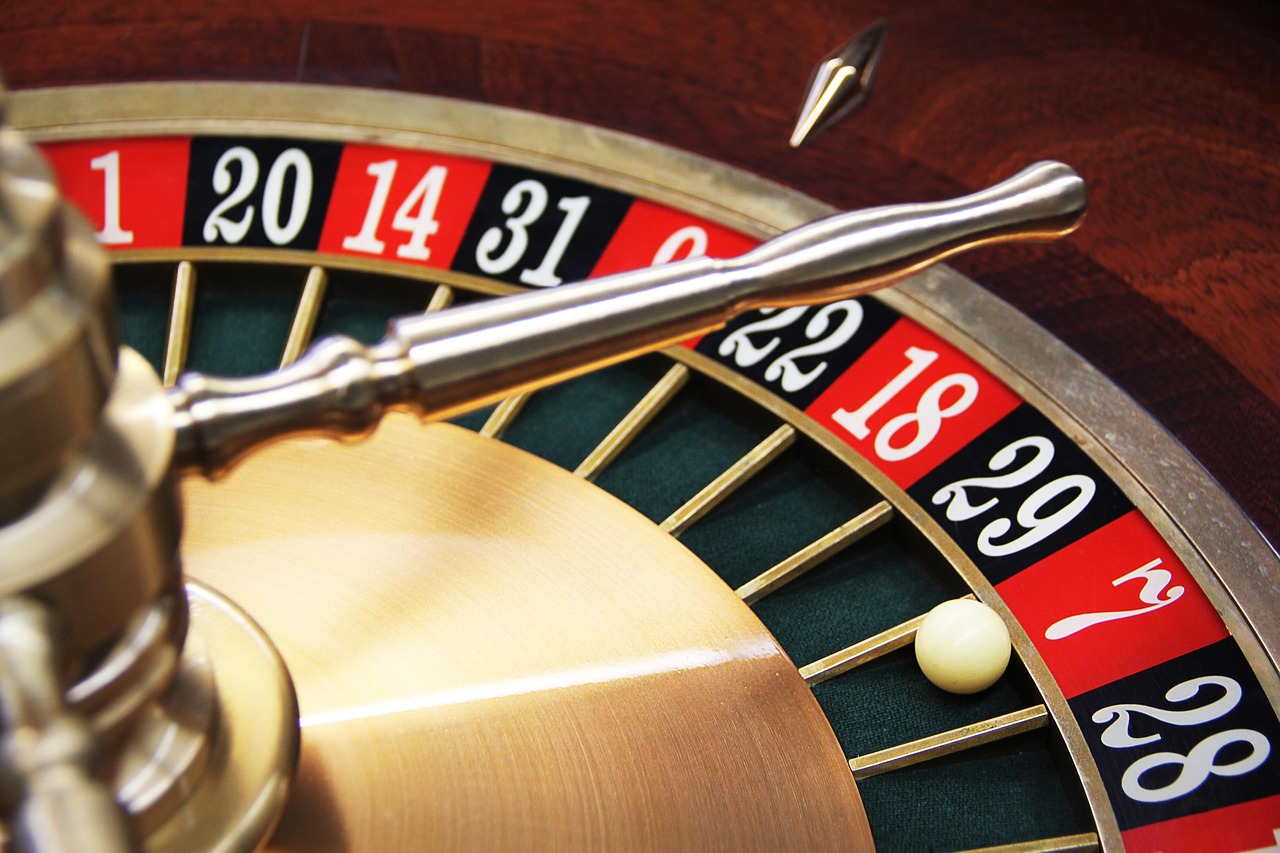
gambling
Image by GregMontani from Pixabay

In a decision issued by US District Judge Philip Martinez, the tribe has been ordered to halt operations at the Speaking Rock Casino, with the judge ruling that the class II bingo and gaming machines currently in use by the casino are illegal under the laws of Texas.

Despite the ruling, Judge Martinez has opened a door for the tribe, encouraging them to appeal to Congress to amend the law that recognises their sovereignty. This could pave the way for the tribe to legally conduct gaming on their reservation.

“The court acknowledges that an injunction like this will have a significant impact on the pueblo community,” Judge Martinez expressed. “This is why it’s important for the tribes affected by the Restoration Act of 1987 to advocate for changes that would allow them to operate games on their lands.”

Cruel Twist of Fate

The Tigua Pueblo were granted federal recognition in 1987, along with the Alabama-Coushatta Tribe of Texas. However, the terms stipulated in the act granted these tribes sovereign land but prohibited any form of gambling as defined by Texas law. Just one year later, Congress enacted the Indian Gaming Regulatory Act (IGRA), which established the framework for tribal gaming operations across the country.

This contradictory timing has led to decades of legal challenges for both the Tigua and the Alabama-Coushatta, as they strive to maintain their modest gaming facilities. In contrast, the Kickapoo Tribe, who obtained their recognition just two years prior, have thrived under a different legal structure allowing for expanded gaming operations without such prohibitions.

Legal Battles and Financial Scams

The Tigua Tribe’s struggles were further complicated in 2002 when they were defrauded of $4.2 million by notorious lobbyist Jack Abramoff. He misled the tribe into believing that he could secure Congressional approval for their gaming operations while simultaneously working against them with state lawmakers. Abramoff’s fraudulent dealings led to his imprisonment, but the damage to the tribe had already been done.

Since then, the tribe has attempted to operate compliant gaming options at Speaking Rock Casino, arguing these were permissible bingo or sweepstakes games under state law — a move that has now been deemed illegal by the court.

As of now, Speaking Rock remains operational, though its future is uncertain following Judge Martinez’s ruling.

Interesting Facts About Tribal Gaming

  • The Indian Gaming Regulatory Act (IGRA) was passed in 1988, allowing tribes to operate gaming facilities on tribal land.
  • Tribal gaming revenues contribute significantly to local economies and tribal welfare programs.
  • Texas has been one of the most challenging states for tribes attempting to secure gaming rights.
  • Many tribes across the United States successfully operate casinos and resorts, providing jobs and boosting tourism.
  • Legal battles regarding tribal gaming often involve complex interactions between state and federal laws.

Summary

The ongoing plight of the Tigua Pueblo illustrates the complexities of tribal sovereignty and gaming rights in the US. With their casino operations now ruled illegal under Texas law, the tribe faces significant challenges ahead, including potential legislative avenues that could reshape their future. They are now urged to advocate for changes to the legal frameworks that currently limit their gaming operations, both for their community’s prosperity and cultural preservation.


Chicago Aldermans Call: The Fight for Gambling Regulation and VGT Legalization

This Table of Contents outlines the critical framework governing the world of casinos, focusing specifically on the complexities of gambling regulation, compliance, and legal boundaries.

Chicago Alderman Discusses the Need for Gambling Regulation

Longtime Chicago Alderman Pat O’Connor (D-40th Ward) declares it’s time for the city to embrace video gaming terminals (VGTs) and harness the financial benefits of regulated gambling.

gambling machines
Image by SteveSawusch from Pixabay

O’Connor, who is Chicago Mayor Rahm Emanuel’s floor leader in the City Council, has been a loyal supporter of the mayor. However, his newfound support for VGTs marks a significant departure from Emanuel’s stance.

The alderman, who has served on the City Council for nearly 36 years without previously supporting gambling, argues that if Chicagoans accept VGTs, the city should regulate them.

“While a casino is certainly something that people are looking at, that’s several years away,” O’Connor told the Chicago Sun-Times. “This is a much more immediate potential.”

As chair of the City Council Finance Committee, O’Connor believes that tax revenue from gaming could help stabilize the city’s beleaguered pension system. “It is a revenue source that, right now, is going on under our noses untapped,” he said.

Regulate and Tax

Chicagoans are already familiar with the presence of video gaming machines throughout the city, commonly found in gas station convenience stores, laundromats, and bars. These so-called “sweepstakes” devices offer everything from store credit to cash payouts, which can be illegal.

By regulating VGTs, O’Connor suggests that the city could also impose taxes on winnings.

It’s not a panacea. However, I believe we could potentially generate $80 million a year in revenue,” O’Connor stated. “The Council might disagree with me; the mayor certainly disagrees with me. But, factually speaking, this is a legitimate option.”

Chicago is strongly Democratic, with 49 of the 50 City Council seats held by Democrats, one by an Independent, and one by a Republican.

As the race for Emanuel’s successor heats up, O’Connor’s viewpoint could influence the discussions on gambling regulation, especially with several Democratic candidates in the running.

Pension Problems

Chicago faces numerous challenges, including a significant underfunded pension program, which has become a critical issue not just in the city but across Illinois. Statewide, the unfunded pension liability stands at an astounding $133 billion.

According to retirement expert Elizabeth Bauer writing for Forbes, “There is no realistic solution to Chicago’s pension underfunding that doesn’t involve benefit cuts.”

Emanuel had previously requested the City Council to issue up to $10 billion in pension obligation bonds for immediate capital influx. However, he has indicated that the decision will rest with his successor, who will be elected in the upcoming November elections.

Though the mayor has often positioned himself against gambling, he lightened his stance at the end of last year, calling on the Illinois General Assembly to consider legalizing recreational marijuana and commercial casinos.

“If the state pursues this path, those resources could and should be redirected to solidify our pensions without further burdening Chicago taxpayers,” Emanuel stated.

In summary, Alderman O’Connor’s push for VGTs reflects a burgeoning dialogue around gambling regulation in Chicago, highlighting potential financial benefits to combat pressing municipal challenges. Chicago’s ongoing pension woes underscore the urgency of exploring diverse revenue streams, casting the spotlight firmly on the gambling debate.

High-Stakes Gambling Heist: Mystery Thief Steals $500,000 Super Bowl Sweepstakes Pot

This Table of Contents serves as your definitive guide to navigating the intense world of high-stakes gambling, exploring the strategies, risks, and psychology inherent in elite wagering.

High-Stakes Gambling Theft: Mystery Thief Steals Toronto Stock Traders’ $500,000 Super Bowl Sweepstakes Pot

The high-stakes Super Bowl sweepstakes held on Bay Street, Toronto’s bustling financial district, has become a cornerstone among the city’s affluent stock traders. Offering an incredible $500,000 prize, it provides opportunities for returns that many would envy.

sweepstakes
Image by ChiniGaray from Pixabay

However, in a shocking turn of events, the prize fund has gone missing, with reports suggesting that it was stolen, as noted by The Globe and Mail.

The exact circumstances surrounding the disappearance are murky at best, as this sweepstakes operates as an unofficial and highly exclusive affair, with members notoriously reluctant to speak with the media. A tip-off from an insider suggested that the organizer’s residence might have been invaded, raising alarming questions.

No Crime Reported

Curiously, the nameless organiser has yet to involve the police. Checks by G&M with law enforcement agencies in Toronto and its nearby regions have revealed no record of the theft reported. This silence might stem from an email sent to participants that hinted at “fees” associated with the pool.

If the organizer, referred to as an “old-school floor trader from the Toronto Stock Exchange,” is indeed claiming a part of the pool as fees, this could potentially classify the entire operation as illegal high-stakes gambling.

Despite the uncertainty, there’s no indication that the organizer has defrauded anyone. In fact, an email obtained by G&M, reveals that he is keen on addressing the issue and has laid out a plan to reimburse participants over the next four years.

“I appreciate everyone’s input and understanding regarding these unfortunate events,” he wrote. “We will implement significant changes to the collection process moving forward.” He added a personal touch, wishing everyone good luck and expressing gratitude for their understanding during this tumultuous time.

How the Bay Street Pool Works

The Bay Street pool has been in operation for a significant period—possibly decades. It closely mirrors Super Bowl office pools found across the nation, yet entry is strictly limited to a select group willing to stow away $5,000 in cash for the chance to participate, preferably in $100 notes.

As per reports from G&M, the organizer collects these buy-ins by physically visiting offices, often accompanied by cheers and friendly high-fives from participants.

Each participant is randomly assigned one of 100 squares, which correspond to possible outcomes for the final score. The individual with the victorious square can claim a staggering $300,000 as the first prize. There are also prizes for correct scores at the end of the first and third quarters, each worth $50,000, while a correct halftime score nets $100,000.

Key Facts:

  • Total prize pool: $500,000
  • Entry fee: $5,000
  • Top prize: $300,000
  • Prizes for quarter scores: $50,000 each
  • Halftime score prize: $100,000
  • Pooling duration: Multiple decades

The uncertainty surrounding the situation has left participants anxious and concerned over their investments. As stakeholders await further developments, the Bay Street Super Bowl sweepstakes remains a riveting case study in the realms of gambling, trust, and community dynamics in the financial district.

Summary: The recent theft from a $500,000 Super Bowl pool highlights the complexities within exclusive gambling circles in Toronto’s financial sector. With ambiguous circumstances surrounding the missing funds and implications suggesting potential illegal activities, participants keep their ears to the ground for updates on the situation.

$9 Million Online Gambling Fraud: Las Vegas Sweepstakes Operator Charged | 10BET

Welcome to your comprehensive guide to the evolving world of online gambling, where digital platforms have fundamentally revolutionized the way enthusiasts experience the thrill of the casino from anywhere in the world. This table of contents will serve as your strategic roadmap to navigating the high-stakes landscape of online gambling, covering everything from selecting the most secure platforms and mastering game strategies to understanding complex rules and maximizing your potential winnings.

$9 Million Fraud Case Hits Online Gambling Sector as Las Vegas Operator Faces Charges

The owner of a Las Vegas-based online gaming company faces serious legal consequences after being accused of treating investor funds like his personal piggy bank. Robert Alexander, the founder of Kizzang, stands charged with fraud by the Securities and Exchange Commission (SEC).

promotional event
Image by WOKANDAPIX from Pixabay

According to SEC allegations, Alexander collected nearly $9 million from over 50 investors for his company Kizzang, which operated online gaming offerings including slots tournaments and fantasy sports until its insolvency in December 2017. A significant portion of the funds is reported to have been misappropriated for his gambling activities.

Specifically, filings in the US District Court for the Southern District of New York indicate that Alexander misused at least $1.3 million, with over $450,000 directly spent on gambling. Moreover, the remainder of the funds was diverted into a business venture that lacked any substantial revenue stream.

Former Take-Two Interactive Executive’s Fall

Before leading Kizzang, Alexander garnered respect within the video game industry, even sitting on the board of Take-Two Interactive, the parent company of Rockstar Games, known for blockbuster titles like Grand Theft Auto and Red Dead Redemption.

Despite this prestigious background, the SEC alleges he made dubious claims to investors about the potential returns, suggesting that they could see a tenfold increase on their investments. He also falsely implied a substantial personal investment in Kizzang and claimed involvement in the development of a successful video game.

In an attempt to project an image of wealth, he reportedly told an investor that he once donated $50 million to a prominent hospital, all the while being financially strained and consuming investor funds at a rapid rate.

For instance, on May 28, 2015, he requested additional funding via email, stating, “Monday is payroll, and I need $55k.” The following day, an investor transferred $10,000 to Kizzang. However, Alexander neglected to mention that from May 1 to May 26 of that year, he had already squandered over $20,000 of investor money on gambling across various casinos in Las Vegas and Indiana.

Legal Troubles Mount

In addition to his fraudulent activities, Kizzang found itself embroiled in legal challenges. In 2017, the NCAA sued Kizzang for copyright infringement related to its promotions that parodied the NCAA’s Final Four tournament. Alexander did not appear in court, resulting in a default judgment against him.

Simultaneously, Sports Illustrated, which had partnered with Kizzang for marketing worth $1 million and received no payment, also obtained a default judgment of over $1 million.

A key element of Kizzang’s business model aimed to monetize consumer traffic through advertising. However, from its inception in 2014 through its eventual insolvency in 2017, it reportedly never generated any significant income, leading to these serious allegations of fraud against Alexander.

Key Takeaways

  • Robert Alexander allegedly misappropriated $9 million from investors.
  • Involvement in high-profile legal disputes, including lawsuits from the NCAA and Sports Illustrated.
  • Kizzang’s operations ceased after unsuccessful attempts to monetize its products effectively.
  • False claims to investors about potential returns and involvement in video game development.

In summary, the case against Robert Alexander serves as a stark reminder of the challenges that can arise in the online gaming industry. Mismanagement of funds, misleading investor communications, and allegations of fraud can quickly unravel even the most promising ventures. As authorities continue to investigate, it will be critical for investors to exercise due diligence and maintain watchfulness in such dynamic markets.

Slot Machines Under Fire: Utah Prepares to Ban Fringe Gaming Machines | 10BET

Navigating the world of casinos and online wagering requires a deep understanding of the regulations that govern these activities, particularly the technical and legal standards applied to popular games like slot machines. This guide provides a structured overview of the complex landscape of gambling laws, ensuring that all participants understand the legal boundaries, compliance requirements, and operational rules necessary to ensure a fair and legal experience when playing slot machines or other forms of betting.

Will Utah Ban Slot Machines? New Laws Target ‘Fringe Gaming’ Devices

Utah is tied with Hawaii as America’s most gamble-free state, and it seems it may become even less appealing for gambling enthusiasts. Recently, Utah State Senator Todd Weiler has advocated for stricter gambling laws, as a bill aimed at outlawing electronic sweepstakes machines, commonly known as ‘fringe gaming’, is making its way to the House for a vote.

gambling laws
Image by 5598375 from Pixabay

This legislative move comes after the bill, known as HB23, received an overwhelming 11-1 approval in committee. Its primary goal is to close a loophole that has seen such machines spring up in gas stations, convenience stores, and rest stops across the state. While these machines resemble traditional casino slot machines, the manufacturers argue they function more like sweepstakes promotions, similar to those you might find in fast-food restaurants.

Players typically purchase tokens to operate the machine, hoping to win rewards that can later be exchanged for merchandise online. Curiously, some machines even dispense gumballs at 25 cents per spin. However, Intermountain Vending, the local manufacturer, maintains that their offerings do not constitute gambling.

No Raffles Allowed

As stated by Stanford Graham, Business Director for Intermountain Vending, “It’s not gambling. Our legislature has a very specific definition of what is and isn’t gambling. And the activity that this gift card kiosk provides is not gambling.” This definition is particularly broad in Utah, leading to the prohibition of charitable raffles and bingo.

In fact, Utah and Hawaii stand as the only states without any form of legal gambling. This previous absence of gambling laws meant the only permissible raffle in Utah allows participants to donate while also having the option to enter for free. This move might very well see Intermountain’s machines join the list of illegal activities.

Interestingly, Utah’s Legislature will allow only donations in raffles with a free participation option.

Senator Weiler emphasizes that HB23 aims to refine the existing gambling definition, indicating that “there’s a very fine line between slot machines and what we have in these kiosks.” Furthermore, Steven Wuthrich, an Assistant Attorney General who helped draft the bill, insists that fringe gaming should not be dismissed as merely harmless promotional tools like fast-food sweepstakes.

Understanding the Impact

According to Wuthrich, these machines represent a functional equivalent of the slot machines found in West Wendover, where full-scale Las Vegas-style gaming is legal. By contrast, no such gaming options exist on the Utah side of the border.

As the bill gains traction, it highlights the ongoing struggle between state laws and the rise of non-traditional gaming venues, which have found creative loopholes to operate outside existing prohibitions. Some notable aspects of HB23 include:

  • Prohibition of electronic sweepstakes machines in various public establishments.
  • Clarification and strengthening of the legal definitions surrounding gambling activities.
  • Commitment to maintaining Utah’s gamble-free status amidst a rise of fringe gaming.

The fate of HB23 is yet to be seen, but it marks a clear intention by Utah legislators to tighten control over gambling activity within the state. As conversations around gambling laws evolve, similar bills could emerge in other states grappling with similar gambling expansions.

In conclusion, the ongoing battle against fringe gaming in Utah serves as a significant case study for other states evaluating their gambling policies and the implications for their local economies and law enforcement.

Key Takeaways:

  • Utah leading the charge against fringe gaming machines.
  • Potential ramifications on local businesses and gambling operators.
  • A growing concern about gambling laws and their definitions.

To stay updated on the status of gambling laws and any other upcoming news, feel free to bookmark our blog!

Wyoming Electronic Skill Games Deemed Illegal Gambling by State Attorney General

Table of Contents: A guide to navigating the dark underbelly of illegal gambling, exploring the risks, operations, and consequences of illicit betting markets.

Wyoming Says Electronic Skill Games Are Illegal Gambling

Many of Wyoming’s electronic skill games are classified as illegal games of chance, per the declaration from State Attorney General Peter Michael. This ruling implies that individuals playing these games may unknowingly be violating state laws against gambling.

Gambling opportunities
Image by GregMontani from Pixabay

The Attorney General’s opinion arose amid local law enforcement’s uncertainty regarding the legality of these machines found in various venues, including bars and restaurants. While these devices often incorporate elements of skill, such as pattern recognition, they still abide by the criterions deemed as games of chance.

Without a dedicated state gaming commission, the responsibility falls on local law enforcement to tackle illegal gambling, which becomes challenging without a clear regulatory framework defining illegal gambling activities.

Playing is a Crime

Michael issued his formal legal opinion in response to inquiries from Natrona County District Attorney Michael Blonigen about machines made by Banilla Games Inc. of North Carolina.

“These machines are classified as illegal gambling devices under Wyoming law. Engaging in play constitutes gambling, a crime in Wyoming. Similarly, those supplying these devices are also committing a crime.”

Michael examined Banilla’s “Nudge” and “Hot Swap” games, which feature popular titles such as Bathtime Bucks, Fruity Sevens, Spooky’s Loot, and Mega Money Reel, all showcasing elements of chance intertwined with financial wagers.

Anticipated Crackdown

This ruling does not extend to historical horse racing terminals located at parimutuel off-track betting places or electronic bingo, both of which are explicitly permitted by Wyoming law.

Wyoming’s gambling landscape has changed significantly over the years. Before 2013, nearly all forms of gambling were illegal. That year saw the establishment of the lottery, following a lengthy legal process, and tribal casinos emerged shortly before with their own challenges in state and federal courts. The state also allows parimutuel betting at Sweetwater Downs and Wyoming Downs.

With the release of this legal opinion, a crackdown on electronic skill gaming is anticipated, resembling actions seen in other states; however, it is expected that enforcement will be considerate, as the local sheriff’s office plans to inform businesses to remove these machines.

Key Takeaways

  • Electronic skill games in Wyoming are illegal under state law.
  • Playing these machines is considered a criminal offense.
  • Local law enforcement faces challenges in regulating gambling activities without a dedicated gaming commission.
  • A crackdown is expected, albeit likely not overly aggressive.
  • Historical horse racing terminals and electronic bingo are permitted under current law.

In conclusion, the legal classification of electronic skill games in Wyoming underscores the complex chessboard of gambling laws that continue to evolve over time. Players, casino owners, and regulators alike must stay informed on these developments to ensure compliance and protect the integrity of the state’s gaming environment.

Colorado AG: Sports Betting Possible without Constitutional Amendment

This guide provides a comprehensive Table of Contents for mastering the world of sports betting, covering everything from understanding the fundamentals of sports betting markets to advanced strategies for successful wagering.

Colorado Sports Betting Bill Can be Passed by Legislature without Constitutional Amendment

If Colorado aims to join the list of states endorsing legalized sports betting, it appears they won’t require a constitutional amendment to do so. This perspective comes from Colorado Attorney General Cynthia Coffman, who affirmed that the state legislature possesses the authority to pass a sports betting bill.

sports betting
Image by papazachariasa from Pixabay

This assertion has elicited surprise among some in the state, as numerous legal experts previously indicated that amending Colorado’s constitution would be essential prior to considering sports betting.

Understanding Sports Betting Legislation in Colorado

Attorney General Coffman released this opinion after conducting an analysis of various aspects of Colorado’s gaming laws. She articulated that “commercial sports betting is not subject to state constitutional restrictions but is prohibited gambling under Colorado’s current criminal code.” Additionally, she clarified that the ultimate decision regarding the legalization of sports gaming would rest with the state legislature.

Key Points from Coffman’s Analysis:

  • Sports gambling is classified as illegal under Title 18 of the Colorado Revised Statutes, necessitating change from lawmakers before lawful betting can occur.
  • Lotteries within the Constitution are explicitly restricted; however, Coffman’s analysis determined that sports betting does not fit the lottery definition.
  • Previous amendments concerning limited gaming don’t relate to sports betting, as these primarily cover games like blackjack, poker, and slots.

Response from the Colorado Gaming Association

The AG’s opinion did not go unchallenged. The Colorado Gaming Association (CGA) promptly criticized Coffman’s assertions, downplaying its implications. The CGA highlighted that Colorado courts typically offer only

How Manny Machado Joining the Dodgers Shifts the Sports Betting Odds | 10BET

This guide provides a comprehensive overview of how to navigate the world of wagering, focusing specifically on mastering the calculation and strategic application of sports betting odds to maximize your winning potential.

Manny Machado Joins the Dodgers: How the Roster Move Impacts Sports Betting Odds

The acquisition of one of the best hitters in Major League Baseball has triggered a significant shift in the competitive landscape. Manny Machado’s remarkable talent has positioned the Los Angeles Dodgers as the team to beat in the National League.

sports betting
Image by eGamingImagery from Pixabay

Recently, the Dodgers secured Orioles shortstop Manny Machado in exchange for five minor league prospects, including the highly-rated Cuban outfielder Yusniel Diaz. As a soon-to-be unrestricted free agent, Machado was sought after by several teams leading up to the July 31 trade deadline. Ultimately, it was the Dodgers who emerged victorious in the bidding war for Machado.

“We’re in first place by the slimmest of margins, and four teams are within a few games,” Dodgers general manager Farhan Zaidi stated on Dodgers radio, AM 570. “We felt improving the team during this period was essential, and we believe Manny Machado is the best target out there.”

Based on considerable changes in betting odds, sportsbooks seem to concur with Zaidi’s assessment, indicating that Machado’s presence significantly alters the dynamics of the National League.

New Favorites Emerge

Few players possess the ability to impact the betting landscape and the overall perception of an entire league, but Machado stands out as one of them.

With Machado now donning Dodgers blue, Los Angeles has ascended to the top of the list as the new favourite to capture the National League pennant. Previously, that title belonged to the Chicago Cubs; however, the Cubs saw their odds of winning shrink from 10/3 to 7/2 at most sportsbooks following the trade, while the Dodgers’ odds improved from 4/1 to 3/1.

The most significant shift occurred with the Dodgers’ chances of winning the NL West Division. Odds moved from slight underdogs at 5/4 to overwhelming favourites at 2/5. Currently, the Dodgers lead their division by just half a game over the Arizona Diamondbacks.

Despite this, the Dodgers, along with other National League teams, are still trailing behind the top contenders in the American League concerning World Series odds:

  • Houston Astros – 7/2
  • Boston Red Sox – 4/1
  • New York Yankees – 17/4
  • Los Angeles Dodgers – 13/2
  • Chicago Cubs – 8/1

This trade for Machado coincided with another major deal in sports, as the NBA also saw a significant trade when DeMar DeRozan was moved to the San Antonio Spurs.

Hopes of a Championship

Dodgers fans hope that the addition of Machado will be the catalyst that finally propels their team to victory in the World Series. Since 2013, the Dodgers have consistently reached the playoffs but have yet to secure a championship, with only one World Series appearance to show for it, which ended in disappointment against the Houston Astros.

This trade signals that the Dodgers believe their current championship window may be rapidly closing. With their ace pitcher Clayton Kershaw approaching 30 years of age and entering free agency after the season, the pressure to win is mounting.

With Manny Machado now in the fold, the Dodgers find themselves in an unprecedented position to win their first World Series since 1988 and fulfil long-held dreams for their passionate fanbase.

Summary

Manny Machado’s arrival in Los Angeles marks a pivotal moment in MLB history. This powerhouse trade not only enhances the Dodgers’ chances of clinching the National League pennant but also reignites their hopes of securing a World Series championship. With the stakes higher than ever, all eyes will be on how this stellar player will transform the Dodgers’ fortunes.

Illegal Gambling Crackdowns: How Investigations Led to Criminal Charges Against North Carolina Politicians

A comprehensive guide to navigating the complexities of modern entertainment demands a deep understanding of the legal boundaries surrounding various forms of wagering. To ensure total compliance and avoid the severe legal repercussions associated with illegal gambling, this table of contents outlines the essential areas where you must focus your research regarding gambling laws and regulated activities.

The Legal Fallout of Illegal Gambling: The Controversy Facing North Carolina Officials

A recent Fox News investigation has exposed a high-stakes poker game taking place in a bar in Charlotte, North Carolina, involving both current and former elected officials.

Gambling laws
Image by Bru-nO from Pixabay

The undercover operation by Fox 46 Charlotte revealed that former Stanfield Town Councilman Jason Smith and current Oakboro Commissioner Ernest Broadway, also the chairman of the Oakboro Police Department, are facing charges for illegal gambling. The incident was filmed at Morgan’s Tavern, a bar owned by Smith and his spouse, which is directly next to the Stanfield Police Department.

In North Carolina, gambling is strictly regulated and largely prohibited outside of the state’s two tribal casinos, with limited exceptions such as the state lottery and charity events including bingo. Any poker games, particularly those involving a monetary stake, are illegal, especially when alcohol is involved.

Allegations of Preferential Treatment

Concerns over Smith’s political status influencing law enforcement actions were raised by Terry Pennington, the bar’s previous owner, who himself faced charges for operating illegal gambling machines in 2014. He alleged that the poker table was set up the very day after he sold the establishment to Smith, suggesting that authorities may have intentionally overlooked the illegal activity due to Smith’s political position.

“They all knew what was happening and they let it happen. It doesn’t take a rocket scientist to know he’s being left alone intentionally,” Pennington claimed.

Caught in the Act

During the investigation, when a Fox 46 crew attempted to confront the players, Smith allegedly denied them entry. However, unbeknownst to the players, they were being filmed by a hidden camera which captured Smith handling sizable amounts of cash.

As one player cautioned, “Get it off the table. They can’t prove nothing as long as they can’t see it on the table.” Despite evidence from the footage, Smith repeatedly denied the occurrence of any gambling when confronted by the Fox 46 team.

Stanfield Police Chief Corrie Faggart expressed shock at the revelations, insisting that Smith had not received any special treatment. “You would think that being this close to a police department, you would make sure you’re not breaking the law,” he stated. Faggart noted that the Stanfield Police Department had previously issued alcohol-related violations to Smith and the tavern.

Overview of Gambling Laws in North Carolina

It’s crucial to understand the implications of gambling laws in North Carolina, as they are strictly enforced. Here’s a brief rundown of key points:

  • Gambling is mostly illegal. Outside of tribal casinos, only the state lottery and specifically sanctioned charitable events are allowed.
  • Residency issues. Home poker games involving money are illegal, particularly if a rake is collected.
  • Increased penalties. Violations involving alcohol can lead to stricter penalties.

Public scrutiny of politicians and law enforcement officers involved in gambling scandals can deter unlawful practices and prompt legislative changes in gambling regulations.

Conclusion

The situation involving Smith and Broadway may act as a catalyst for broader discussions about the enforcement of gambling laws in North Carolina. This case highlights the need for equitable application of laws, irrespective of political affiliation, ensuring that all citizens comply with legal standards.

As this story develops, it will be interesting to observe the ramifications it has not only on the individuals involved but also on the public perception of gambling enforcement throughout the state.

Caesars Entertainments Casino Expansion Strategy in Mexico

This outline details the strategic roadmap for successful Casino expansion, detailing every phase from initial planning to full market deployment.

Casino Expansion: Caesars Entertainments Growth in Mexico

Caesars Entertainment is on an exciting development spree, announcing its third project within just two weeks, this time expanding its brand to Mexico.

Casino expansion
Image by zikiline from Pixabay

The new venture is a partnership with Grupo Questro, a Mexican real estate development company. Together, they plan to manage a $200 million, non-gaming beachfront resort in Puerto Los Cabos, situated about 20 miles east of Cabo San Lucas on the Baja California peninsula.

This resort, to be known as Caesars Palace Puerto Los Cabos, will feature:

  • 500 luxurious hotel rooms
  • A 40,000-square-foot convention center
  • A full-service spa
  • Multiple dining options
  • Dynamic entertainment spaces
  • Two top-notch golf courses

Construction is expected to begin in the first half of 2019, marking a significant milestone in Caesars’ expansion strategy.

Caesars CEO Mark Frissora stated, “This plan represents further progress on our strategy to expand the company’s non-gaming businesses into premier resort and gateway destinations.” He highlighted that this is Caesars’ first investment in Mexico.

In this partnership, Grupo Questro will own the vacation complex, while Caesars will manage its operations and earn licensing and management fees.

Non-Gaming Name of Game

Recently, Caesars Entertainment also announced its inaugural non-gaming venture in Dubai. They have partnered with Meraas Holdings to operate two non-gaming resorts on Bluewaters Island, a man-made island in the Persian Gulf. Like Puerto Los Cabos, the Dubai properties will be managed by Caesars without ownership but will generate revenue through operational fees. These resorts will include:

  • 479 guest rooms
  • A beach club
  • Indoor and outdoor pools
  • A spa
  • A convention center

Additionally, Caesars has announced plans for Harrah’s Northern California, a casino resort developed in collaboration with a Native American tribe near Sacramento.

Since emerging from Chapter 11 bankruptcy, Frissora mentioned that the casino operators plan to leverage the Caesars brand for future revenue growth, focusing primarily on providing their iconic name to both domestic and international hoteliers.

This strategy is appealing to lesser-known developers like Meraas and Grupo Questro, benefiting from Caesars Entertainment’s extensive membership base of over 55 million in its Total Rewards loyalty program.

Gambling in Mexico

While gambling laws vary greatly worldwide, much of it remains illegal in Mexico. Current regulations allow for parimutuel betting, bingo, raffles, and certain gaming lottery and sweepstakes terminals. However, casino-style gambling, readily available across the US, has been prohibited under the Federal Gaming and Raffles Law since 1947.

Recent trends indicate a growing desire to establish casinos within popular tourist destinations. Senator José Maria Martinez from Guadalajara is advocating for the legalization of casinos at resorts, arguing that the absence of regulations has led to the rise of illegal underground gambling operations throughout Mexico.

In numerous Caribbean nations, casino-style gambling is an essential part of the tourism experience, with resorts in places such as:

  • Dominican Republic
  • Aruba
  • Bahamas
  • Puerto Rico

These developments signal a possible shift in Mexico’s stance on gambling, potentially leading to a reformation of the regulations governing casino establishments.

Summary

Caesars Entertainment’s foray into Mexico underscores its commitment to expanding beyond traditional gambling operations. By focusing on non-gaming ventures and forming strategic partnerships, Caesars aims to elevate its brand globally while responding to local market trends. As gambling regulations in Mexico evolve, the potential for casino establishments at resorts may unlock new opportunities for growth and engagement in the vibrant Mexican tourism sector.