


Online Sports Betting in New Jersey: State Tax Implications for Platforms | 10BET

This Table of Contents serves as your essential roadmap to mastering the high-stakes world of online sports betting, detailing the precise strategies, premier platforms, and fundamental rules necessary for achieving success in the digital arena.

New Jersey Online Sports Betting: Tax Implications for Sportsbooks and iGaming Platforms

New Jersey online sportsbooks and iGaming platforms are facing a substantial rise in their tax rates as both sectors flourish. This article provides insights into the upcoming tax changes, how they may impact operators, and the competitive landscape in the gaming industry.

Key Points

  • New Jersey is expected to increase certain gaming taxes
  • The tax hikes will impact iGaming and online sportsbook operators
  • New Jersey’s online gaming taxes will remain competitive
online gaming
Image by tianya1223 from Pixabay

In an effort to secure a better revenue stream, New Jersey’s Governor, Phil Murphy, has proposed elevating the state’s share of the gross revenue retained by online betting and iGaming operators. As of now, gross gaming revenue (GGR) from online sports betting is taxed at 13%, while iGaming GGR is at 15%. Murphy’s initial suggestion was set at a 25% tax, but further discussions have led to a lower compromise.

Government and Operator Reactions

Following the proposed increase, numerous iGaming and online sports betting operators vocally opposed the suggested tax hike, warning it could diminish consumer promotions and enhance the allure of illegal offshore gaming markets.

Barry Jonas from Truist Securities estimates the final tax rate could settle around 19.75% for both sectors. This has raised concerns among operators, who anticipate fewer promotional opportunities such as increased odds and bonuses for players as a consequence of the tax hikes.

Comparative Analysis

In comparison to other jurisdictions, New Jersey’s proposed tax rate would still be competitive. For example:

  • Illinois: 51% tax on online sports betting
  • New York: 51% tax on online sports betting
  • Pennsylvania: 36% tax on online sports betting

Although New Jersey may experience a tax increase, it remains positioned competitively compared to other states struggling with much higher tax rates.

Record Revenue

The timing of these potential tax changes aligns with record-breaking growth within New Jersey’s online gaming sector. Recently, the state witnessed gross revenue surpassing $246.8 million, marking an unprecedented milestone.

Despite an overall increase in GGR from iGaming, online sports betting has reported a decline of 10%, totalling $460.1 million. If the new tax rates had been in effect, the state would have seen significant increases in revenue from both online gaming and sports betting, with potential gains highlighted:

  • If online gaming taxes increased from 15% to 19.75%, revenue would jump from $37 million to $48.7 million.
  • On sports betting, revenue would have surged from $12.7 million to $20.2 million.

As the changes unfold, the implications will extend across nine casinos heavily sharing the iGaming and online sports betting revenue with their respective third-party operators.

Summary

The anticipated tax increase on online sportsbooks and iGaming platforms in New Jersey reflects the state’s initiative to bolster revenue from its thriving gaming sectors. While operators brace for potential challenges, New Jersey remains a competitive hub in the rapidly evolving online gaming landscape.

Publishers Clearing House Acquired by Online Sweepstakes Casino

This Table of Contents serves as your essential guide to navigating the exhilarating world of the sweepstakes casino, detailing the diverse game opportunities, essential rules, and winning strategies you need to succeed.

Publishers Clearing House Acquired by Online Sweepstakes Casino Company

  • Publishers Clearing House has been acquired
  • ARB Interactive, the buyer, runs online sweepstakes games
  • ARB is paying more than $7.1 million for PCH

Publishers Clearing House (PCH) has recently changed hands. The new owner is ARB Interactive, a Miami-based company renowned for its online sweepstakes gaming platform called Modo Casino.

online sweepstakes
Image by Pexels from Pixabay

Founded in 1953, Publishers Clearing House initially offered a door-to-door magazine subscription service. Subscribers entered into sweepstakes where winners received prize checks ranging from $1,000 to a staggering $10 million. However, PCH faced difficulties, declaring bankruptcy after agreeing to a Federal Trade Commission (FTC) order to overhaul their entry processes and pay $18.5 million to consumers due to misleading practices.

ARB is set to pay $7.1 million upfront plus approximately $378,000 to settle outstanding expenses. According to reports, this acquisition was first highlighted by The Wall Street Journal.

Pending court approval, we’re excited to begin this next chapter and deliver an experience that honours the legacy of the brand while earning the trust of a new generation of players,” said Patrick Fechtmeyer, co-founder and CEO of ARB Interactive.

ARB’s platform, Modo Casino, is marked as a free-to-play social casino featuring celebrity endorsements from figures like Snoop Dogg. The site also includes an innovative secondary currency called Sweeps Coins, which can be used for winning cash prizes.

Social Sweeps Controversy

The realm of social sweepstakes is currently contentious within the United States. Proponents advocate that the platforms focus on providing entertainment. However, critics argue these platforms often violate both state and federal gaming laws due to their incorporation of secondary currencies.

On the Modo website, it is noted: “Modo is a play-for-fun website intended for amusement purposes only. Modo does not offer ‘real-money gambling’.”

State regulators and lawmakers are seeking to enforce stricter regulations on online sweeps casinos. Numerous cease-and-desist letters have been dispatched, and new laws aimed at banning these online promotions are gaining traction.

The merging of PCH, a brand that resonates with many over 30, could potentially fare well for both ARB and Modo Casino, as it attempts to project credibility while distinguishing itself from traditional online gambling sites. Fechtmeyer assures that ARB aims to revolutionise the gaming experience by promoting mobile-first, interactive, and free-to-play games that harness the excitement of sweepstakes and prizes.

The PCH Controversy

Investigations by the FTC revealed that many consumers mistakenly believed that making purchases would enhance their chances of winning from the Prize Patrol. Accusations against PCH included allegations of using “dark patterns” to mislead consumers about their winning probabilities.

The FTC’s findings also highlighted unexpected charges that made subscriptions significantly pricier than advertised, which predominantly affected older and lower-income participants.

Key Takeaways

  • The acquisition of PCH by ARB Interactive signifies a big transition for the gaming brand.
  • Modo Casino serves as a bridge between traditional sweepstakes and modern gaming trends.
  • Legal scrutiny on social sweeps continues as regulators respond to the evolving gaming landscape.

In summary, ARB Interactive’s acquisition of Publishers Clearing House marks a pivotal moment in the evolution of sweepstakes gaming. As the landscape shifts with increased scrutiny, ARB is poised to lead a transformation that respects the PCH legacy while exploring new avenues for engaging with players.

Hard Rock Las Vegas Casino Area Responds to Construction Cost-Cutting Allegations

Your comprehensive guide to navigating the exciting world of the Casino area begins with this Table of Contents, providing an organized overview of everything you need to know about this thrilling destination.

Hard Rock Las Vegas Casino Area Addresses Construction Cost-Cutting Allegations

UPDATE: A spokesperson for Hard Rock International has responded to recent allegations claiming cost-cutting measures were being implemented in the construction phase of the new Guitar Hotel tower. Jonathan Goldman, from the company’s publicity team, firmly stated, “These plan adjustments reflect the natural evolution of a large-scale development project — NOT cost cutting.”

Goldman continued, “Often, early permit filings serve as placeholders, and updates simply fine-tune details as we transition from concept to execution.” When discussing the room count, he explained that additional usable space was identified within the structure’s curvature, allowing for an increase of 75 rooms without reducing the originally planned quantity of 600 suites.

“Furthermore, the original spa design included placeholder space. Our detailed planning has since developed a 30,000-square-foot spa program specific to real operational needs,” Goldman added. “These changes are examples of refined planning, not reductions.”


EARLIER: The Hard Rock Hotel & Casino is increasing the number of hotel rooms in its 700-foot Guitar Hotel tower, which is under construction at the former site of the Mirage volcano attraction. Notably, the increase is not due to expanding the building’s size.

Hotel Casino
Image by sarangib from Pixabay

Recent planning documents revealed that the Guitar Hotel, now set to house 675 rooms, has seen an increase from previous blueprints indicating only 603. The originally announced count was even lower, at 596.

Room Adjustments Explained

According to details released by the Five Hundy By Midnight podcast co-host Tim Dressen, some suite layouts have shifted to accommodate more rooms, while non-essential back-of-house spaces, like supply closets, are being reduced.

Additionally, the casino area of the Guitar Hotel has seen a decrease from 48,234 square feet to 41,584 square feet, and the spa’s size has been halved from 66,673 square feet to 32,958. This adjustment was made by scrapping planned pools and integrating a restaurant on the same level.

Future Plans and Community Impact

The street level of the Guitar Hotel is projected to grow from 96,668 square feet to 127,645, with the check-in and pool facilities expanding from 156,534 square feet to 176,611. However, while originally planned to have two pedestrian bridges across Las Vegas Boulevard, only the north bridge—connecting to the Venetian—will be built.

As the construction plans continue to evolve, it’s essential to weigh the implications for the local tourism industry. Critics argue that these changes may be a response to the escalating costs of construction materials and the ongoing downturn in tourism within Las Vegas.

Key Points Summary

  • Hard Rock maintains that changes in hotel room count do not reflect cost-cutting.
  • The Guitar Hotel will accommodate more rooms without enlarging the hotel’s footprint.
  • Essential spaces like casinos and spas are being downsized.
  • Pedestrian bridge plans have been altered, raising community accessibility concerns.
  • Cost pressures and tourism trends may influence future developments.

The Hard Rock Hotel & Casino aims to solidify its position in the Las Vegas market through thoughtful adaptations while acknowledging that construction dynamics are persistently shifting in response to economic realities.

North Korean Hackers Impersonate Zoom to Breach Online Gambling Firm

This guide provides a comprehensive overview of the world of online gambling, detailing the essential steps and platforms required to navigate the digital betting landscape.

North Korean Hackers Attempt to Breach an Online Gambling Firm

  • Hackers used deepfakes in a spoofed Zoom meeting
  • Victim ran fake support script that installed malware
  • Attackers stole credentials, crypto data, and messaging info

A representative from a Canadian online gambling provider was duped into believing they were on a routine Zoom call. In reality, they were communicating with North Korean hackers using a spoofed version of the communications platform.

online gaming
Image by vinsky2002 from Pixabay

This attack, which originated on May 28, was executed by BlueNoroff, a subgroup of the infamous North Korea-backed hacking group, Lazarus Group, as reported by analysts from Field Effect Analysis.

BlueNoroff is known as a financially motivated threat actor, typically targeting banks, cryptocurrency exchanges, and businesses in the gaming and fintech sectors to generate revenue for North Korea. Since 2017, they have amassed over US$1.3 billion through various tactics, including SWIFT banking thefts and cryptocurrency heists.

Deep Fake Technology in Action

According to Field Effect, the hackers designed a counterfeit website masquerading as an official Zoom support page to ensnare the targeted gambling company. By using deepfake technology, they successfully imitated a legitimate business contact to arrange the Zoom meeting.

During the meeting, the attackers created the illusion of audio problems, prompting the victim to run a supposed “Zoom audio repair script.” However, this script was in fact a form of malware.

Once activated, the malware initiated a series of downloads and commands that ultimately prompted the victim for their system credentials, silently installing multiple malicious payloads. This breach allowed the hackers access to a wide range of sensitive personal and system-related data, focusing heavily on cryptocurrency assets and messages.

This specific incident appears to be a part of a larger Zoom spoofing campaign, which was first documented in March 2025 and has predominantly targeted cryptocurrency firms, as highlighted by Field Effect.

“This demonstrates an ongoing trend where profit-driven hackers refine their methods, embedding malice within trusted business environments and exploiting user reliance as a key attack point,” the analysts reported.

Historical Context: The Bangladesh Bank Heist

BlueNoroff’s most notorious operation occurred in February 2016, wherein they successfully infiltrated the Bangladesh Bank’s servers. This breach granted them the credentials necessary to authorise 35 fraudulent transfer requests from the New York Federal Reserve, amounting to nearly $1 billion.

Of the 35 payments, US$101 million was processed before suspicions arose at the New York Fed, effectively stopping any further transactions.

Approximately $20 million was recovered and returned to Sri Lanka, but the majority of the funds were laundered through multiple accounts at the Philippine bank RCBC, swiftly opened under fictitious names, and subsequently converted into cash at VIP casino gaming tables, ultimately disappearing without a trace.

This troubling trend raises significant concerns about the security measures in place across the online gambling sector, particularly as cybercriminals continue to evolve and adapt their strategies.

For online gambling companies, staying informed about the latest cyber threats and implementing robust cybersecurity measures is crucial. Cybersecurity resources, continuous employee training, and incident response plans can help mitigate potential attacks.

In summary, this case highlights the increasing sophistication of cyber threats facing the online gaming industry, showcasing the need for ongoing vigilance and proactive measures to protect sensitive information.

Uploaded via WPAPI

Indian Gaming Association Chairs Discuss Prediction Markets and the Future of Sports Betting | 10BET

Dive into the complex intersection of high-stakes wagering and sophisticated data analysis, exploring how the rise of sports betting is reshaping the landscape of modern gambling. This guide provides an overview of the mechanisms, risks, and opportunities inherent in utilizing advanced statistical models to forecast game outcomes, transforming the way enthusiasts approach sports betting in the casino and beyond.

The Sports Betting Prediction Markets Battle: Indian Gaming Association Chair, Kalshi CEO, and the Future of Gambling Finance

  • Tribal leaders reject Kalshi’s claims of cooperative dialogue
  • Legal fight intensifies over prediction markets and sovereignty
  • Kalshi’s regulatory tactics provoke backlash from tribal nations

Native American gaming organisations have launched serious accusations against the prediction platform Kalshi. They contend that Kalshi has misrepresented its connection with tribal nations and is undermining their sovereignty over gaming.

Kalshi, Tribal gaming, Indian Gaming Association, Prediction markets, Sovereignty
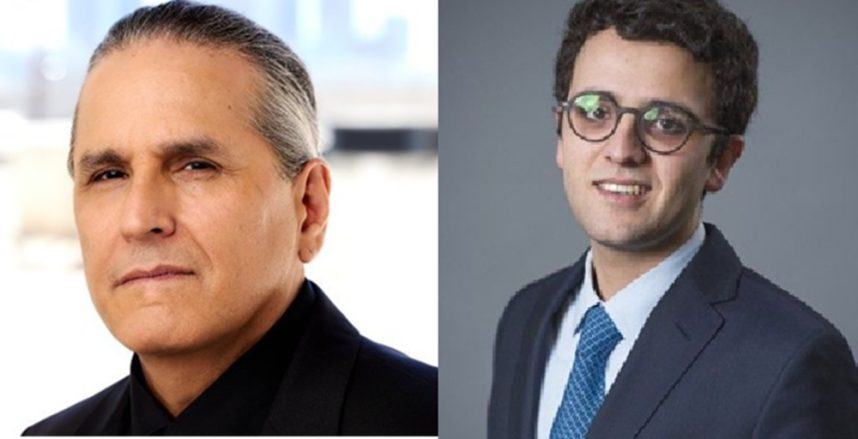
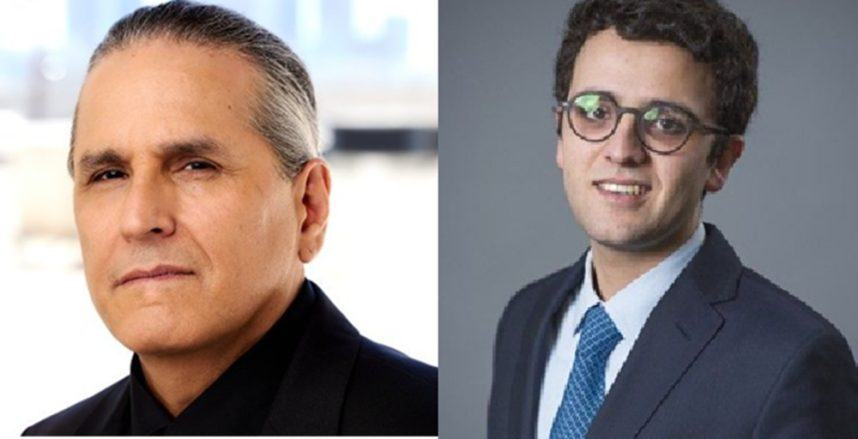
Indian Gaming Association chair Victor Rocha, left, didn’t hold back on his assessment of Kalshi CEO Tarek Mansour, right. He believes that Kalshi “threatens the very foundations of tribal gaming.” (Image: IGA/The Org)

Victor Rocha, who chairs the Indian Gaming Association (IGA) and is also a member of the Pechanga Band of Indians, shared with Sportico that discussions with Kalshi executives have not been fruitful, despite their claims to the contrary.

Kalshi provides platforms for sports prediction markets through event contracts. This derivative allows users to speculate on specific event outcomes. The company insists its platform is legal and distinct from traditional sports betting, a position that has stirred legal disputes and significant backlash from state and tribal officials.

Opposed by 60 Tribes

More than 60 tribal governments and organisations, including the IGA and the California Nations Indian Gaming Association (CNIGA), have submitted an amicus brief to a federal appeals court, backing New Jersey’s legal challenge against Kalshi.

This case revolves around whether the federal Commodity Exchange Act (CEA), which oversees event contracts regulated by the Commodity Futures Trading Commission (CFTC), can supersede state-level sports betting regulations.

A spokesperson for Kalshi recently claimed the company had “constructive discussions with several tribes” and upheld their “inherent sovereignty.” However, Rocha strongly contested this view.

“I’ve talked to [Kalshi CEO] Tarek Mansour twice now, and my take from him is that he’s a lying little twerp,” Rocha remarked.

Tribal groups assert that allowing Kalshi to circumvent state gambling regulations through CEA protections would harm not only New Jersey but also tribes across the United States operating under the federal Indian Gaming Regulatory Act (IGRA).

“The notion that Kalshi could get around tribal-state compacts jeopardises the very foundation of tribal gaming,” Rocha emphasised.

Direct Action

While the amicus brief discusses broader implications of federal preemption, tribal leaders are contemplating direct legal action against Kalshi. In the lead-up to the previous presidential election, the CFTC had sued Kalshi, arguing that the company’s event contracts surrounding the election results constituted illegal political betting.

However, the current administration seems to have softened its stance on the matter, and Kalshi is now reportedly advised by Donald Trump Jr., indicating a potentially favorable shift for the company.

Key Points to Consider

  • The importance of sovereignty for tribal gaming operations.
  • Kalshi’s prediction markets and the potential impact on traditional betting models.
  • Legal ramifications and ongoing battles over gaming regulations.

In summary, the tensions between tribal gaming groups and Kalshi underscore ongoing struggles regarding gaming sovereignty, regulatory frameworks, and the legal landscape affecting prediction markets. With over 60 tribes uniting against what they view as significant threats to their way of life, these developments will shape the future of the gaming industry in the United States.

Tribal Gaming Law: Oklahoma AG Invalidates Gaming Compact

This Table of Contents serves as your guide to the dynamic world of Tribal gaming, exploring the unique strategies, history, and opportunities within this evolving sector of the casino industry.

Oklahoma AG Invalidates Tribal Gaming Compact

Key Highlights:

  • Oklahoma’s Attorney General declares a tribal gaming compact invalid
  • The United Keetoowah Band (UKB) seeks to resume gaming operations
  • UKB submitted a Class III gaming compact to the federal government in April

Oklahoma Attorney General Gentner Drummond announced that the Class III gaming compact, signed by the United Keetoowah Band (UKB) of Cherokee Indians and submitted to the United States Department of the Interior for federal approval, is invalid.

casino history
Image by Mr-Bozen from Pixabay

In April, the UKB completed and signed Oklahoma’s Model Tribal Gaming Compact. This compact allows federally recognised tribes to operate slot machines and live dealer table games on their sovereign reservations, having been approved by state voters in a referendum held in 2024.

However, Part 15 of the Model Tribal Gaming Compact specifies that tribes must have executed the contract with the state and federal government before January 1, 2020. A total of 35 tribes met this deadline, thereby securing automatic renewals of their Model Tribal Gaming Compacts for successive 15-year terms, though the governor has the right to request negotiations for new terms.

UKB Compact Dead on Arrival, AG Says

In his interpretation of the compact at the UKB’s request, Drummond concluded that the compact is invalid since it was signed after January 1, 2020.

“The April 29, 2025, execution of Oklahoma’s statutory model gaming compact by the United Keetoowah Band of Cherokee Indians did not create a valid agreement between the State of Oklahoma and the UKB. The Model Compact term expired on January 1, 2020,” Drummond stated.

According to Drummond, tribes like the UKB that did not enter into a Model Compact before 2020 now need to negotiate individual compacts with the state. This negotiation should begin with the Joint Committee on State-Tribal Relations.

“The UKB did not seek approval of the compact which the UKB signed on April 29, 2025, by the Joint Committee on State-Tribal Relations. Thus, the UKB has not entered a valid gaming compact with the State of Oklahoma,” Drummond concluded.

Cherokee Infighting

The UKB did not sign the Model Tribal Gaming Compact by the 2020 deadline due to uncertainties regarding its federal status. Recently, with the Department of the Interior’s (DOI) Bureau of Indian Affairs ruling in favor of recognizing the UKB as an equal successor to the Old Cherokee Nation, complications arose.

The Cherokee Nation maintains that it is the sole successor to the Old Cherokee Nation, historically occupying much of Oklahoma until it was disbanded in 1907. The UKB had operated a Class II bingo hall, the Keetoowah Cherokee Casino in Tahlequah, from 1986 until challenges arose regarding the land’s federal trust status.

UKB Chief Jeff Wacoche criticized Drummond’s legal opinion, accusing him of bias towards the larger and more politically influential Cherokee Nation.

“The fact that the attorney general would issue a legal opinion that addresses the UKB without proper consultation reflects the political influence of the Cherokee Nation,” Wacoche stated.

Conversely, Chuck Hoskin Jr., chief of the Cherokee Nation, responded to these assertions, asserting their sovereign authority as the Cherokee Nation over a vast 7,000 square-mile reservation in Oklahoma.

In conclusion, the invalidation of the UKB’s gaming compact raises significant concerns about tribal rights and the future of gaming operations under such legal circumstances.

Summary: Oklahoma AG Gentner Drummond has declared the gaming compact signed by the UKB as invalid, setting off a legal dispute over tribal gaming rights. The UKB faces challenges in formalizing its gaming operations due to the timing of its compact submission. This situation has ignited tension between the UKB and the Cherokee Nation, emphasizing the complex dynamics at play in the tribal gaming landscape.

Illegal Slot Machines and Racketeering: Wife of Suspended Florida Sheriff Arrested in Gambling Scandal

This guide delves into the underground economy of illicit gaming, specifically focusing on the proliferation and risks associated with illegal slot machines. By outlining the intricate networks used to distribute these machines, the text details the regulatory loopholes, distribution pathways, and law enforcement strategies necessary to navigate the dangers of these unauthorized markets. It serves as a comprehensive table of contents for understanding the complex landscape of unregulated gambling and the systems used to facilitate the operation of illegal slot machines.

Illegal Slot Machines and Racketeering: Wife of Suspended Florida Sheriff Arrested in Major Gambling Case

Overview of the Case:

  • Florida Sheriff’s wife charged in multimillion-dollar gambling ring
  • Investigators allege misuse of power and campaign contributions
  • Unlawful casino-style operation ran for nearly five years

The wife of a suspended sheriff from Central Florida has been charged in connection with a large-scale illegal gambling investigation that also involved her husband. This investigation has garnered substantial media attention and highlights issues of corruption within the local law enforcement.

gambling operation
Image by GregMontani from Pixabay

Robin Lynn Severance Lopez, aged 50, was arrested and charged with conspiracy related to racketeering. The charge, a second-degree felony, carries a potential maximum sentence of 15 years in prison. Currently, she is held without bond at the Lake County Jail.

Her husband, Marcos R. Lopez, Osceola County sheriff aged 56, was taken into custody earlier in June on similar charges, alleged to have been involved in shielding and expanding an illegal gambling operation that reportedly profited to the tune of over $21 million.

Details of the Illegal Gambling Operation

The investigation into this illicit operation began in 2023, spearheaded by Homeland Security Investigations along with the Florida Department of Law Enforcement. Key locations of the operation were reported to be in the Osceola and Lake Counties, with the main hub being a business known as the Fusion Social Club (also called the Eclipse Social Club).

This establishment allegedly hosted illegal slot machines and operated a lottery disguised as a legitimate arcade. Court documents suggest that this gambling scheme was in operation from 2019 until at least early 2024. By mid-2022, Robin and her cohorts were allegedly managing the venue and profiting from these illegal activities.

Additionally, the investigation revealed that Lopez had initially become involved in this gambling enterprise to enrich herself, accepting cash payments and campaign contributions. She is alleged to have leveraged her husband’s position in law enforcement to protect their operation from scrutiny.

Charges Against Additional Individuals

Others implicated in this case alongside Robin and her husband include Ying Zhang, Sharon Fedrick, Sheldon Wetherholt, and Carol Cote, all facing similar charges of racketeering and conspiracy.

Controversial Past of Sheriff Lopez

Marcos Lopez was elected as Osceola County’s first Hispanic sheriff in 2020 and secured re-election in 2024. However, he has faced public scrutiny for various reasons, including an incident where he unintentionally shared a grievous image of a murder victim on social media, causing outrage.

The victim was identified as 13-year-old Madeline Soto, missing since February 2024 and later found dead—a case that further highlighted the sheriff’s controversial tenure.

Key Takeaways

  • Both Lopez and her husband are entangled in a high-profile corruption case.
  • The investigation underscores the potential for corruption and misuse of power in law enforcement.
  • Multiple individuals face serious charges as part of a broader illegal operation.

Summary: The arrest of Robin Lynn Severance Lopez underlines a significant investigation into illegal gambling operations linked to her husband, Osceola County Sheriff Marcos R. Lopez. With their charges exposing corruption and misuse of power, this case is a glaring reminder of the potential for criminal activities within the ranks of law enforcement.

Coinbase Scammer Gambled at Crypto Casinos, Bought Rolexes

This table of contents guides you through the rapidly evolving landscape of crypto casinos, detailing everything from platform selection and security protocols to strategies for maximizing your winnings in the digital gambling world.

Coinbase Scammer Gambled at Crypto Casinos, Bought Rolexes

  • Investigator reveals culprit allegedly stole $4 million in Coinbase scam
  • Bad actor gambled away some of the money at crypto casinos
  • He bought luxury items, including Rolex watches

Christian “Daytwo” Nieves has gained notoriety as the alleged mastermind behind a $4 million fraud scheme that defrauded investors of their digital currency. Reportedly, much of this stolen money ended up in cryptocurrency casinos, according to an in-depth investigation.

cryptocurrency casino
Image by Arcaion from Pixabay

The investigation, led by ZachXBT on social media, disclosed how Nieves and his accomplices operated a social engineering scam. They impersonated employees of Coinbase, the leading cryptocurrency exchange in the US, convincing victims to create accounts under the pretense of safeguarding their assets while actually directing them to phishing sites for illicit gain. This tactic allowed them access to victims’ private keys, resulting in the loss of digital assets without any recompense for the victims.

One of the most significant losses was reported by an elderly victim, whose savings of $240,000 were stolen by one of Nieves’ associates named Justin, known as “Paranoia.”

ZachXBT reported that the ill-gotten gains were distributed in three directions, with a portion funneled into Roobet, a crypto casino. He also mentioned that Roobet, like other crypto casinos, operates without proper licensing or regulation in the US and is banned in many significant gaming markets, including Australia and Canada.

Coinbase Scammer Made Mistakes While Trying to Cover Tracks

In a typical fashion for financial fraudsters, Nieves made it easy for investigators by not adequately concealing his activities. He documented his gambling ventures on Roobet, where he was identified by the username “pawsonhips” and frequently showcased his luxury purchases, including Rolex watches, on social media platforms.

betting strategies
Image by eGamingImagery from Pixabay

Investigators uncovered evidence linking Nieves’ Roobet deposit address to more than 30 suspected thefts, suggesting a wide-ranging fraud scheme.

“I anticipate there are many additional victims I cannot directly associate. While some activity overlaps with other offenders, most of it relates to Nieves,” noted the investigator.

The driving force behind Nieves’ orchestrated fraud may be a compulsive gambling addiction, as suggested by ZachXBT. This places Nieves among a long list of criminals engaging in unethical practices to support gambling habits.

“Daytwo has a gambling problem, and a review of his casino deposits shows dwindling numbers as he loses funds. Recently, he has resorted to stealing from his partners as well,” observed ZachXBT.

The Role of Monero in Uncovering Criminal Activity

While Monero ranks as only the 22nd largest cryptocurrency by market cap, it is regularly connected to criminal enterprises due to its privacy-focused design that obscures user transaction details. Unlike Bitcoin, which provides transparency, Monero’s features complicate tracking efforts. This fact makes it remarkable that ZachXBT could trace Nieves’s dealings back to the fraud committed against Coinbase.

It’s important to clarify that Monero wasn’t created to facilitate illegitimate activities; its popularity is largely rooted in its robust privacy features. However, as regulatory scrutiny increases, some exchanges are starting to remove it from their platforms, potentially driving bad actors back to Bitcoin.

In summary, Nieves’ case sheds light on the intersection of cryptocurrency scams and the gambling world, exemplifying the vulnerabilities within digital transactions and the destructive impacts of gambling addiction.

Florida Moves to Dismiss Seminole Sports Betting Lawsuit

This table of contents will guide you through the essential world of sports betting, covering everything from understanding the latest odds and market analysis to mastering effective wagering strategies.

Florida Moves to Dismiss Seminole Sports Betting Lawsuit

Key Points:

  • Florida defends legality of Seminole sports betting compact
  • Lawsuit claims online bets bypass voter-approved gambling laws
  • State cites tribal land servers to justify legality

The Florida government is asking a Leon County judge to dismiss a lawsuit that tests the legality of a substantial $2.5 billion gaming compact that permits the Seminole Tribe to provide online sports betting across the state, as reported by The Orlando Sentinel.

sports betting
Image by AidanHowe from Pixabay

The compact, negotiated in 2021 between the state and the Seminole Tribe with the aid of Governor Ron DeSantis, allowed the Tribe to manage online sports wagering in Florida. The justification provided by state officials is that all gambling activity is executed through servers situated on tribal land, thus adhering to the federal Indian Gaming Regulatory Act (IGRA), which restricts off-reservation tribal gaming.

Voter-Backed Amendment

In a motion filed recently, the office of Attorney General James Uthmeier has urged the court to dismiss the lawsuit, which Protect the Constitution, LLC filed back in April. Their argument emphasizes that the plaintiffs lack standing and asserts that the compact is consistent with both state and federal law.

The plaintiffs counter that the agreement breaches a constitutional amendment endorsed by Florida voters in 2018, which granted voters the exclusive authority to validate any new form of casino gambling through a statewide referendum. However, the state maintains that this amendment does not apply.

The state’s filing contends that the compact is legitimate under the IGRA that governs tribal land gaming operations and that it is exempt from the stipulations of the 2018 amendment.

“Casino gambling or not, sports betting was properly authorised by the compact,” the state asserted in its motion, indicating that the betting activities are within the legitimate framework of tribal gaming rather than expansion of commercial casinos.

The Seminole Tribe launched their online sports betting platform for a brief period in 2021 but had to halt operations due to legal disputes. However, they managed to restart their online betting services in late 2023.

Where Does an Online Bet Take Place?

The lawsuit initiated by Protect the Constitution seeks to halt operations, positing that online bets, regardless of being routed through tribal land, effectively increase gambling across Florida without the necessary voter approval.

The Delaware-registered group claims that its members experience financial detriments due to the compact, though these individuals remain publicly anonymous.

“Online sports betting occurs throughout the state of Florida,” the lawsuit claims. “But there has never been a citizen initiative to approve it.”

This legal challenge follows previous attempts by other interests that were dismissed in both state and federal courts. The Florida Supreme Court had already decided against reviewing the compact’s constitutionality, ruling that the legal relief sought—specifically a writ of quo warranto—was not suitable for such claims.

Interesting Facts About Florida’s Sports Betting

  • Florida’s online sports betting market is projected to generate billions in revenue annually.
  • The state claims to comply fully with the IGRA regulations, providing a framework that supports tribal interests.
  • The Seminole Tribe has initiated various gaming expansions to enhance their offerings, including sports betting.
  • Legal frameworks continue to evolve, impacting how gaming is regulated and implemented in the state.
  • This case exemplifies the ongoing legal complexities surrounding gaming law in the United States, especially regarding tribal sovereignty.

In summary, Florida’s attempt to dismiss the Seminole sports betting lawsuit reflects the complexities surrounding online gambling laws and tribal gaming rights. As the outcome of this case continues to unfold, it highlights the broader implications for the state’s gambling landscape and its adherence to regulatory frameworks.

Casino Closures Rock Macau: Businesses Fear Economic Fallout

Understanding the shifting landscape of the gaming industry requires a deep dive into the economic and social factors driving recent shifts, particularly the increasing topic of casino closures. This analysis explores the complex reasons behind these operational changes, examining the effects on local economies, regulatory environments, and the future viability of large-scale gambling operations.

Casino Closures: Macau Businesses Sound Alarm Over Fallout

Key Highlights:

  • Thousands of jobs risked by satellite casino shutdowns
  • ZAPE businesses warn of severe economic consequences
  • Government urged to support non-gaming district revival

Business owners in Macau are raising alarms over a potential economic crisis as a minimum of nine satellite casinos are slated for permanent closure. These closures, expected to occur by December 31, 2025, jeopardize approximately 6,000 jobs in the region’s gambling sector.

Casino closures
Image by danielkirsch from Pixabay

The satellite casinos have been operating under the licenses of Macau’s six concessionaires since 2002. However, recent regulations have led to dwindling revenues, prompting the government to push for consolidation within the industry.

Business owners have voiced concerns regarding the severe economic ramifications of the closures, which many believe the government has significantly underestimated.

Industry Shake-Up

The impending closures come after a grace period established by Macau’s updated Gaming Law, requiring satellite casinos to close or be acquired by primary license holders.

Numerous local establishments — including restaurants, retail shops, and service providers — depend heavily on the consistent flow of casino workers and patrons. This decline in foot traffic results in substantial economic hardship.

The ZAPE district is poised to be the most adversely affected area, housing six of the nine casinos scheduled to shut down. These include Casa Real, Fortuna, Kam Pek, Landmark, Legend Palace, and Waldo, all under SJM Holdings.

New Nightlife District?

The Industry and Commerce Association of Macau ZAPE is urging government intervention to negotiate with SJM for the continuity of these satellite operations. As part of their license agreement, SJM and the other concessionaires must exhibit social responsibility and assist local businesses.

There are proposals from the business coalition advocating for the creation of a vibrant non-gaming nightlife area in ZAPE, focused around entertainment that includes dining options and leisure activities.

In a recent press conference, Macau’s Secretary for Administration and Justice, André Cheong, described the closures as a commercial decision made by the concessionaires. He maintained that there would be no anticipated negative impact on gross gaming revenue, even suggesting a potential positive effect from the new regulations.

With close to 6,000 jobs and numerous local businesses at stake, the situation remains tense as stakeholders await meaningful government action and support.

Quick Facts:

  • The affected businesses strongly rely on casino traffic.
  • Six casinos in the ZAPE district face permanent closure.
  • The government’s reform aims to modernize the gaming landscape.

Summary: The closure of several satellite casinos in Macau poses a significant threat to local businesses and employment, prompting business owners to call for immediate government action to mitigate the potential economic fallout. The implications of these closures highlight the importance of local businesses, which have historically relied on a steady influx of visitors and employees connected to the casino industry.