

The Influence of Blue Lighting on Gambling Behavior and Risk-Taking

This table of contents serves as a roadmap for understanding the complex landscape of gambling behavior. It will explore the psychological drivers, decision-making processes, and patterns that govern how individuals engage with casinos and betting environments, providing an in-depth look at the spectrum of gambling behavior.

How Casino Lighting Influences Gambling Behavior and Risk-Taking

Recent studies from the Flinders Health and Medical Research Institute (FHMRI) in South Australia indicate that the lighting choices in casinos can significantly influence the decision-making processes of gamblers. Specifically, the use of blue-enriched lighting may be linked to increased risk-taking behaviour, potentially leading to greater financial losses for players.

gambling behavior
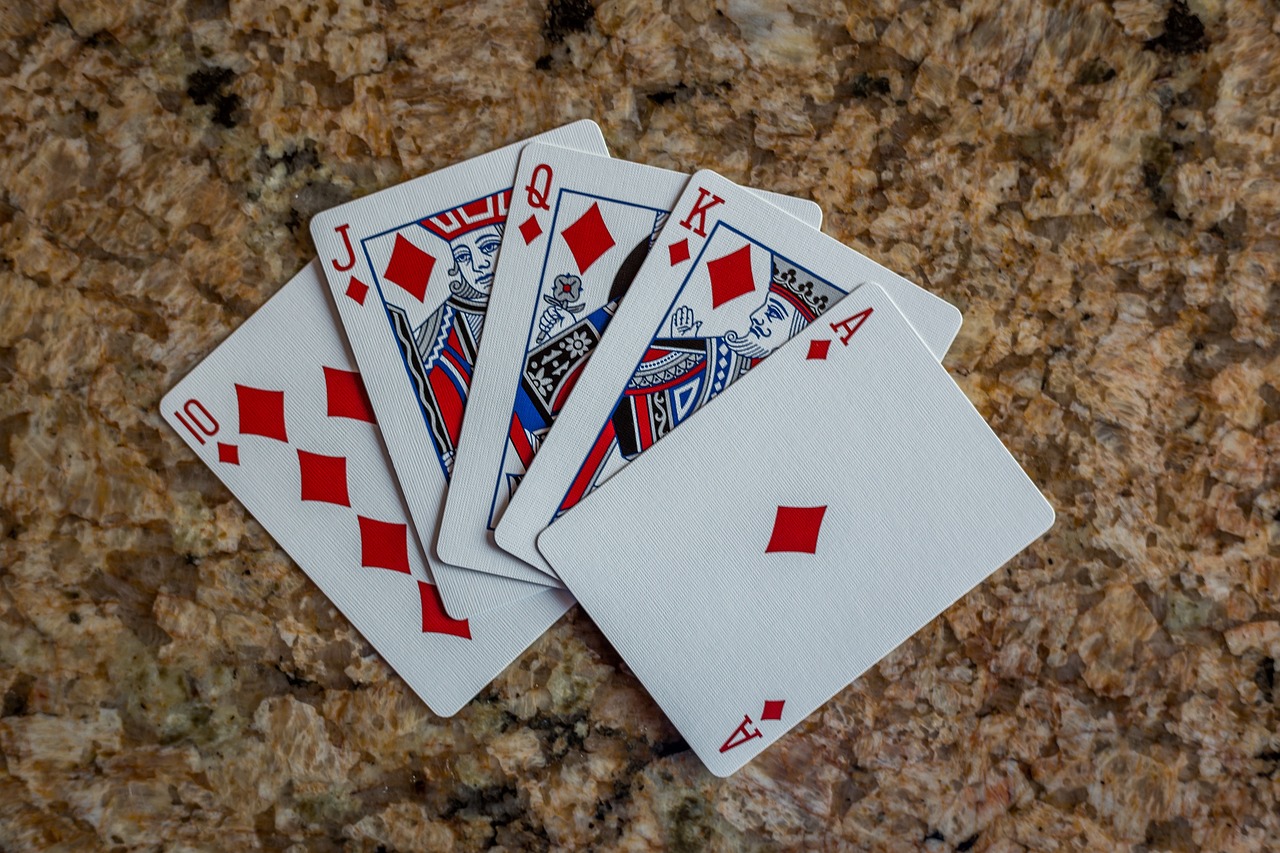
Image by GregMontani from Pixabay

Key Findings from the Study

  • The Impact of Blue Light: Scientists discovered that blue wavelengths of light affect how individuals view gains and losses. In environments with blue lighting, participants displayed a decreased sensitivity to losses.
  • Behavioural Shifts: Gamblers exposed to blue light were more willing to take risks, showing an inclination to overlook potential losses compared to gamblers in environments with warmer lighting.
  • Research Methodology: The study involved 15 young adults between 18 and 27, who participated in gaming sessions under different lighting conditions while avoiding alcohol and caffeine for 24 hours prior to each session.

Dr. Alicia Lander, the lead researcher of the study, noted that typically, individuals are inclined to avoid losses, but under blue light, this tendency diminishes. “In brighter, blue environments, gamblers seem less affected by financial losses and thus may decide to take higher risks,” she explains.

Understanding the Mechanisms Behind Risk-Taking

The psychological response to light, particularly blue, is linked to circadian rhythms and non-visual photoreceptors that can alter cognitive sensitivity. As the research indicates, light quality can affect judgment and decision-making regarding risk and reward:

  • Under blue lighting, a loss of $100 might not feel as severe, whereas in non-blue environments, participants expressed a stronger emotional response to such losses.
  • This could lead to an ongoing cycle where players feel emboldened to chase losses, ultimately increasing their risk exposure.
  • Understanding how light affects behaviour presents new possibilities for responsible gambling strategies, potentially leading to safer gaming environments through altered lighting designs.

Ethical Considerations in Casino Design

While these findings could provide casinos with a method to improve player retention using specific lighting strategies, they also highlight significant ethical implications. As casinos strive to maintain a profitable atmosphere, they must balance this with the responsibility of ensuring player safety:

  • Encouraging Responsible Gaming: Effective gambling strategies could include adjusting blue light usage to promote safer decision-making.
  • Casino Environment Design: The ambience in a casino—ranging from lighting to sound—has long been tailored to maximise player engagement, but using this information ethically is critical.
  • Long-Term Effects: If casinos continue to leverage lighting that can promote risky behaviours, they need to consider the broader implications for problem gambling and associated harm.

The insights from the FHMRI research provide a pivotal understanding of how environmental factors, such as light, affect gambling behaviour. While it opens avenues for enhancing customer experience in casinos, responsible management of these strategies is essential to mitigate potential harm to players.

Conclusion

As the casino industry continues to evolve, understanding the psychological and physiological impacts of environmental design will be vital. The effects of blue lighting in gambling environments not only reveal how to enhance player engagement but also stress the importance of responsible practices that prioritize player welfare.

By fostering a more aware gaming atmosphere, casinos can work towards creating experiences that are enjoyable without compromising the financial health of their patrons.

Dolly Partons Return to the Las Vegas Casino Scene at 79

Table of Contents: Your essential guide to navigating the dazzling world of the Las Vegas casino, from high-stakes strategy to unforgettable entertainment.

Dolly Parton Returns to the Las Vegas Casino Scene

  • Dolly is staging her first Vegas residency in over 30 years
  • Parton will perform six concerts at Caesars Palace this December
  • Tickets are set to go on sale soon

Country music icon Dolly Parton made a jubilant announcement regarding her upcoming limited engagement at the iconic Colosseum at Caesars Palace. This remarkable event marks her first return to a Vegas residency after more than three decades!

Las Vegas
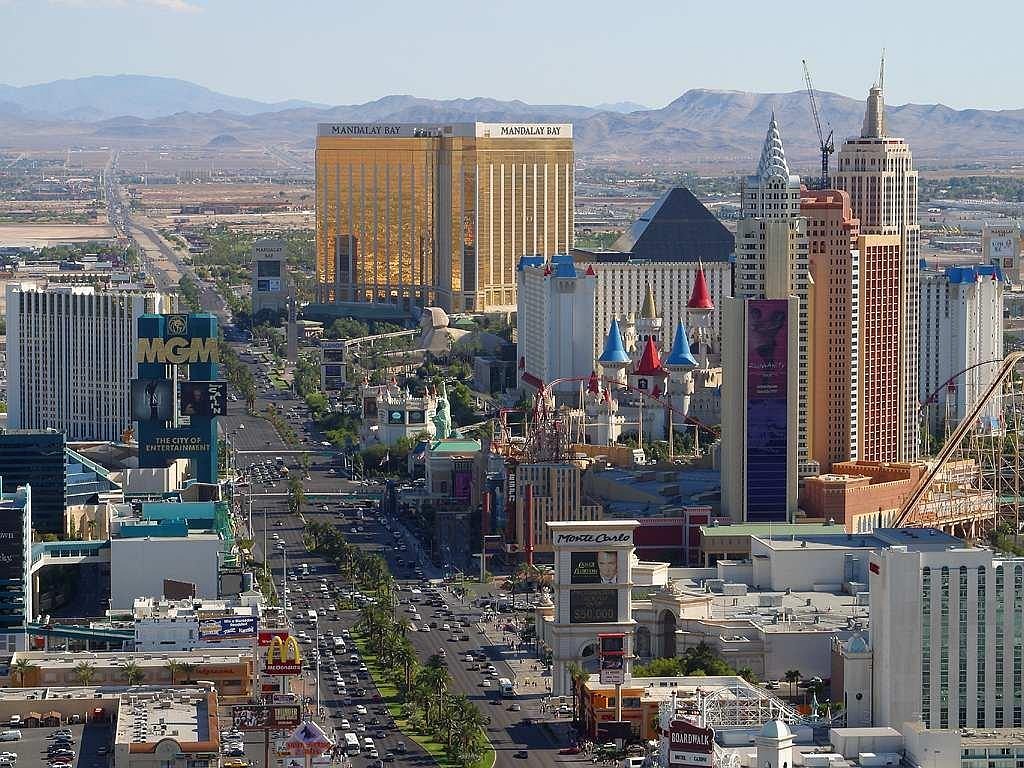
Image by Signboy58 from Pixabay

“Dolly: Live in Las Vegas” will take place on December 4, 6, 7, 10, 12, and 13, 2025, coinciding with the National Finals Rodeo, an event that attracts thousands each year. Fans can look forward to a variety of her classic hits, spanning an impressive career of over seven decades, including beloved songs like “9 to 5,” “Jolene,” and the iconic “I Will Always Love You.”

To say I’m excited would be an understatement,” Parton expressed in a press release. “I haven’t worked Vegas in years, and I’ve always loved singing there.”

Dolly Parton, now 79 years old, has slightly stepped back from the limelight in recent years after losing her husband of 57 years, Carl Thomas Dean, in March. Despite this, she is keen to return to the stage and share her love of music with her fans.

Here You Come Again

Reflecting on her career, her last residency in Las Vegas was held at the Mirage, where she put on an astonishing 50 performances from 1990 to 1993. Before that, she graced stages at the Riviera for nearly half a year from 1981 to 1983. Parton’s initial concerts in Las Vegas were at none other than Caesars Palace back in 1973, followed by headlining shows at the Aladdin and Bally’s.

Tickets for this much-anticipated concert series will officially go on sale on June 25 at 10 AM via Ticketmaster. Fans are expected to act fast, as these shows are likely to sell out quickly. This is a once-in-a-lifetime opportunity to see a true legend in the city of lights!

If you’re in the area, don’t miss Dolly Parton’s incredible return to Las Vegas – a celebration of music, talent, and heart.

Further Facts About Dolly Parton’s Performances

  • Dolly Parton has sold over 100 million records worldwide.
  • She has won 11 Grammy Awards, among numerous other accolades.
  • Her music spans various genres including country, pop, and bluegrass.
  • Dolly is also a successful businesswoman and philanthropist.

In summary, Dolly Parton’s return to Las Vegas marks a significant milestone as she brings her extensive repertoire back to the stage. This will be an unforgettable event that showcases her fantastic career while reconnecting with her devoted fanbase. Don’t forget to grab your tickets!

Casino Smoking Laws: Rules and Restrictions in Rhode Island | 10BET

Table of Contents: A Comprehensive Guide to Navigating Casino Smoking Laws and Regulations

Rhode Island Casino Smoking Laws: Rules for Smoking in Enclosed Areas

  • Rhode Island casino smoking will remain
  • State lawmakers passed legislation limiting casino smoking to enclosed chambers
  • The smoking lounges must prevent any flow of secondhand smoke to the nonsmoking areas

In a significant move, Rhode Island lawmakers have chosen to keep smoking privileges in casinos, but only within specifically designated enclosed areas. This decision came during the final session of the year, when state legislators approved a revised bill limiting where smoking will be allowed in casinos

Casino smoking
Image by maxknoxvill from Pixabay

After lengthy discussions and political manoeuvring, lawmakers decided not to enforce a complete ban on smoking at Bally’s Lincoln and Bally’s Tiverton casinos, which are major contributors to the state’s tax revenue.

The new law, referred to as Senate Bill 188, modifies the 2004 Rhode Island Public Health and Workplace Safety Act by revoking much of the indoor smoking exemptions previously granted to casinos. This legislation specifically prohibits casinos from designating separate smoking and non-smoking areas on their gaming floors. Instead, casinos may allow smoking only in a fully enclosed area with appropriate ventilation systems to keep secondhand smoke from entering non-smoking areas.

Pushback from Lawmakers

Originally sponsored by Rep. Teresa Tanzi, the bill underwent amendments that allowed for enclosed smoking spaces, prompting her to withdraw her support. Tanzi, along with other lawmakers, expressed concerns about the health risks posed to casino employees who may be required to work in these smoking areas. The legislation does not clarify whether employees can be mandated to work in these smoking zones.

Despite resistance, Tanzi acknowledged that her colleagues’ compromise reflected the priorities of the casino workers’ union. She was one of the few dissenting votes against the overwhelming support for the bill.

“They came to us asking for $25 million in subsidies, which they deemed necessary. It feels audacious when they stand in the way of workers getting a smoke-free workplace,” she remarked.

Rep. V. Susan Sosnowski, who took over sponsorship of the bill after Tanzi’s exit, stated that the compromise accommodated both the interests of the casinos and the wellbeing of the workers.

“Everyone deserves to breathe clean air at work. We want a viable casino industry for our state’s revenue but also want our workers to remain healthy,” Sosnowski said.

Patti Doyle, a representative from Bally’s, expressed gratitude towards lawmakers for the compromise, highlighting the importance of accommodating smoking patrons.

Where Casino Smoking Remains Legal

According to the latest statistics from the US Centers for Disease Control and Prevention, cigarette smoking rates are decreasing nationally, with approximately 11.6% (28.8 million adults) identified as smokers in the US today. This figure is significantly lower than the number of smokers recorded in 2001.

A number of states have enacted bans on indoor smoking in casinos; however, several states, including Rhode Island, Arkansas, Indiana, Iowa, Kansas, Louisiana, Michigan, Mississippi, Missouri, Nevada, New Jersey, New Mexico, Oklahoma, Pennsylvania, South Dakota, Virginia, and West Virginia, still permit smoking indoors. Ownership of tribal casinos allows them the autonomy to decide on smoking policies independently.

With this law’s passage, Rhode Island’s smoking debate continues to intertwine the delicate balance between health concerns and economic interests in the casino sector. The discussion around smoking remains relevant as the state progresses in its legislative session, showcasing the complexities within the industry.

Summary

The approval of Senate Bill 188 ensures that smoking will persist within enclosed lounges in Rhode Island’s casinos but raises questions about worker health and the influence of economic demands on public health policy. As the smoking landscape in casinos continues to evolve, so too does the discussion surrounding the implications for both patrons and employees, reflecting a notable intersection of health and revenue within the gambling industry.

How Casino Revenue Fuels the Growth of Smoke-Free Casinos in Rhode Island

Table of Contents: A Strategic Roadmap for Maximizing Casino Revenue and Optimizing Gaming Profits

How Casino Revenue Could Fund the Transition to Smoke-Free Casinos in Rhode Island

Key Points:

  • Casino smoking regulations in Rhode Island may soon change.
  • Bally’s Corporation manages both brick-and-mortar casinos in the state.
  • A potential compromise could involve Bally’s going smoke-free in return for additional funding from the state.

Bally’s Corporation is reportedly considering easing its resistance to ending indoor smoking at its two Rhode Island properties: Bally’s Lincoln and Bally’s Tiverton. This shift follows the passing of a significant political figure—Senate President Dominick Ruggerio, a lifelong smoker who had previously fought against efforts to ban smoking in casinos.

Gaming revenue
Image by geralt from Pixabay
A file photo showing a person smoking a cigarette. (Image: Shutterstock)

A Compromise in Sight

Senate Majority Leader Franc Ciccone has informed the Rhode Island Current that negotiations are underway to enact a smoke-free policy in both casinos by January 1, 2027. This will take place in exchange for an increase in the annual marketing subsidy these casinos receive from the state.

According to the Rhode Island Public Health and Workplace Safety Act of 2004, casinos are permitted to designate specific areas for smoking as long as they have separate ventilation systems from nonsmoking areas. This loophole has been a point of contention amongst lawmakers and casino employees.

Advocacy for Healthier Workplaces

Several lawmakers, led by Rep. Teresa Tanzi, have long been advocating to close the casino smoking loophole. Workers at Bally’s have formed the Casino Employees Against Smoking Effects (CEASE) group, voicing their desire for better health protections in the workplace—similar to those enjoyed by most other professions.

This advocacy may soon bear fruit, as after many years of lobbying, a clear resolution appears close at hand.

Legislation Proposal to Benefit Both Parties

In response to the recent discussions, Tanzi has reintroduced legislation aimed at closing the smoking loophole. In collaboration with Ciccone, a proposed bill aims to increase the annual marketing reimbursements for Bally’s Lincoln and Tiverton. In a scheme where approximately 60% of each slot machine’s gross gaming revenue alongside 15% of table game proceeds go to the state, the marketing fund is designed to encourage player engagement.

Currently, Bally’s shares about $4 million annually from the state’s gaming tax, but this is capped at a three percent increase each year. Ciccone’s newly proposed Senate Bill 1112 seeks to both eliminate that cap and increase the overall incentive for Bally’s, allowing them to potentially see about $6.75 million annually from marketing reimbursements if the bill is passed.

Challenges Ahead

While there’s hope for a smoke-free future in these casinos, Ciccone has highlighted that ongoing negotiations will be crucial. In a bid to solidify this change, he plans to file amendments or put forth companion legislation which would formally request Bally’s to eliminate indoor smoking by the outlined start date of 2027.

Despite this progress, Bally’s spokesperson, Patti Doyle, has emphasised that “conversations… are ongoing.”

The recent passing of Senate President Ruggerio, a staunch supporter of keeping smoking allowed in casinos, may remove one of the toughest barriers to implementing a smoke-free policy in Rhode Island. As it stands, Rhode Island is one of just seven states where iGaming is legal.

Conclusion

The potential for Bally’s Rhode Island casinos to become smoke-free represents a significant change for the state’s gaming industry and its workforce. Increased marketing funding could facilitate this transition while maintaining economic viability for Bally’s. Advocates for a healthier workplace environment eagerly await the outcome of the impending legislative discussions.

Prop Betting Guide: Why Roma Won the Oscars and How to Master Prop Betting Strategy | 10BET

This table of contents serves as your essential guide to mastering the complexities of prop betting, providing a structured overview of the specialized strategies, granular data analysis, and unique insights required to navigate the evolving world of player-specific wagering and high-stakes sports markets.

Oscar Prop Betting: Why Roma is the Favorite and Not The Favourite

As Hollywood’s elite prepare for the 91st Academy Awards at the Dolby Theatre, the buzz around Oscar betting is palpable. Casino.org has been delving into the odds offered by bookmakers, trying to ascertain what intriguing bets fans might partake in this awards season.

betting odds
Image by eGamingImagery from Pixabay

Unlike the often subjective red-carpet fashion statements, when it comes to Oscars betting, the quirkier the wager, the better the intrigue.

Odds and Options for Betting

While many Americans may have to settle for office sweepstakes unless they hail from New Jersey, European fans have a far more tempting array of prop betting options. Among the usual categories of Best Picture, Best Actor, and Best Makeup, there are curious bets such as:

  • Will a person born in Sweden win an Oscar? – With odds at 23/10, the curiosity around this bet is engaging.
  • Longest Speech – You can bet who will give the longest acceptance speech, despite the official limit of 45 seconds imposed since 2010.
  • Will a winner drop their Oscar? – This bet has been increasingly popular, with odds suggesting Best Actress (8/1) is more likely to fumble their award than Best Actor (9/1).

Sweden’s Chances at the Oscars

In response to the Swedish nomination inquiry, we have two worthy contenders: Ludwig Göransson, acknowledged for his score in Black Panther, and the film Border, a fantasy flick due for Best Makeup nomination. However, neither nominee holds favored status in their category, making betting on Sweden perhaps a speculative venture.

The Longest Acceptance Speech

Interestingly, you can wager on which victor will stretch their time at the podium. Keep in mind, since the speech duration rule was established, the Oscars have consistently seen shorter speeches.
If you’re hoping to place a bet on the odds of a wrong winner being announced, just like the infamous snafu of 2017, those odds stand at 9/1.

Bwin is also offering intriguing odds on whether the Best Actor or Best Actress will suffer the embarrassment of dropping their Oscar on stage, a scenario that has yet to occur in the event’s 90-year history.

Is ‘Roma’ the Sure Bet?

Apart from the delightful oddities of Oscar betting, a burning question lingers: will Roma become the first foreign-language film to win Best Picture? The movie directed by Alfonso Cuarón is currently the clear favorite among bookmakers, indicating that it’s set to make Oscar history.

The spotlight on Oscar winners is dictated by a voting body of over 6,000 Academy members. Often, the bookie’s favored choice aligns with the public consensus, delivering reliable predictions.

Since 2004, betting on the favorite has proven to be a wise gamble, with Best Actor consistently reflecting the bookmakers’ insights.

To clarify, when we advise to bet on the favorite, it isn’t a reference to The Favourite, the British period comedy currently floating in the ranks as the third favorite at 20/1. So, remember to steer clear of it when placing your bets!

In Summary

The Oscars are not just about the films; they herald an array of betting opportunities that cater to all sorts of whims. Whether you fancy betting on who might drop their award or whether a non-English film can triumph, there’s something for every punter. This awards season promises excitement both on and off the screen!

Tribal Gaming Conflict: Tigua Pueblo Tribe Orders Casino Closure

Welcome to the definitive guide for navigating the complex and lucrative world of Tribal Gaming. This Table of Contents serves as your roadmap to understanding the strategies, rules, and opportunities inherent in tribal gaming systems.

Tribal Gaming Conflict: Tigua Pueblo Tribe Orders Casino Closure

The Ysleta del Sur Pueblo tribe — commonly referred to as the Tigua Pueblo — has recently received a significant legal setback in their long-standing dispute with the State of Texas regarding their right to operate casino-style gaming on their reservation in El Paso.

gambling
Image by GregMontani from Pixabay

In a decision issued by US District Judge Philip Martinez, the tribe has been ordered to halt operations at the Speaking Rock Casino, with the judge ruling that the class II bingo and gaming machines currently in use by the casino are illegal under the laws of Texas.

Despite the ruling, Judge Martinez has opened a door for the tribe, encouraging them to appeal to Congress to amend the law that recognises their sovereignty. This could pave the way for the tribe to legally conduct gaming on their reservation.

“The court acknowledges that an injunction like this will have a significant impact on the pueblo community,” Judge Martinez expressed. “This is why it’s important for the tribes affected by the Restoration Act of 1987 to advocate for changes that would allow them to operate games on their lands.”

Cruel Twist of Fate

The Tigua Pueblo were granted federal recognition in 1987, along with the Alabama-Coushatta Tribe of Texas. However, the terms stipulated in the act granted these tribes sovereign land but prohibited any form of gambling as defined by Texas law. Just one year later, Congress enacted the Indian Gaming Regulatory Act (IGRA), which established the framework for tribal gaming operations across the country.

This contradictory timing has led to decades of legal challenges for both the Tigua and the Alabama-Coushatta, as they strive to maintain their modest gaming facilities. In contrast, the Kickapoo Tribe, who obtained their recognition just two years prior, have thrived under a different legal structure allowing for expanded gaming operations without such prohibitions.

Legal Battles and Financial Scams

The Tigua Tribe’s struggles were further complicated in 2002 when they were defrauded of $4.2 million by notorious lobbyist Jack Abramoff. He misled the tribe into believing that he could secure Congressional approval for their gaming operations while simultaneously working against them with state lawmakers. Abramoff’s fraudulent dealings led to his imprisonment, but the damage to the tribe had already been done.

Since then, the tribe has attempted to operate compliant gaming options at Speaking Rock Casino, arguing these were permissible bingo or sweepstakes games under state law — a move that has now been deemed illegal by the court.

As of now, Speaking Rock remains operational, though its future is uncertain following Judge Martinez’s ruling.

Interesting Facts About Tribal Gaming

  • The Indian Gaming Regulatory Act (IGRA) was passed in 1988, allowing tribes to operate gaming facilities on tribal land.
  • Tribal gaming revenues contribute significantly to local economies and tribal welfare programs.
  • Texas has been one of the most challenging states for tribes attempting to secure gaming rights.
  • Many tribes across the United States successfully operate casinos and resorts, providing jobs and boosting tourism.
  • Legal battles regarding tribal gaming often involve complex interactions between state and federal laws.

Summary

The ongoing plight of the Tigua Pueblo illustrates the complexities of tribal sovereignty and gaming rights in the US. With their casino operations now ruled illegal under Texas law, the tribe faces significant challenges ahead, including potential legislative avenues that could reshape their future. They are now urged to advocate for changes to the legal frameworks that currently limit their gaming operations, both for their community’s prosperity and cultural preservation.

Chicago Aldermans Call: The Fight for Gambling Regulation and VGT Legalization

This Table of Contents outlines the critical framework governing the world of casinos, focusing specifically on the complexities of gambling regulation, compliance, and legal boundaries.

Chicago Alderman Discusses the Need for Gambling Regulation

Longtime Chicago Alderman Pat O’Connor (D-40th Ward) declares it’s time for the city to embrace video gaming terminals (VGTs) and harness the financial benefits of regulated gambling.

gambling machines
Image by SteveSawusch from Pixabay

O’Connor, who is Chicago Mayor Rahm Emanuel’s floor leader in the City Council, has been a loyal supporter of the mayor. However, his newfound support for VGTs marks a significant departure from Emanuel’s stance.

The alderman, who has served on the City Council for nearly 36 years without previously supporting gambling, argues that if Chicagoans accept VGTs, the city should regulate them.

“While a casino is certainly something that people are looking at, that’s several years away,” O’Connor told the Chicago Sun-Times. “This is a much more immediate potential.”

As chair of the City Council Finance Committee, O’Connor believes that tax revenue from gaming could help stabilize the city’s beleaguered pension system. “It is a revenue source that, right now, is going on under our noses untapped,” he said.

Regulate and Tax

Chicagoans are already familiar with the presence of video gaming machines throughout the city, commonly found in gas station convenience stores, laundromats, and bars. These so-called “sweepstakes” devices offer everything from store credit to cash payouts, which can be illegal.

By regulating VGTs, O’Connor suggests that the city could also impose taxes on winnings.

It’s not a panacea. However, I believe we could potentially generate $80 million a year in revenue,” O’Connor stated. “The Council might disagree with me; the mayor certainly disagrees with me. But, factually speaking, this is a legitimate option.”

Chicago is strongly Democratic, with 49 of the 50 City Council seats held by Democrats, one by an Independent, and one by a Republican.

As the race for Emanuel’s successor heats up, O’Connor’s viewpoint could influence the discussions on gambling regulation, especially with several Democratic candidates in the running.

Pension Problems

Chicago faces numerous challenges, including a significant underfunded pension program, which has become a critical issue not just in the city but across Illinois. Statewide, the unfunded pension liability stands at an astounding $133 billion.

According to retirement expert Elizabeth Bauer writing for Forbes, “There is no realistic solution to Chicago’s pension underfunding that doesn’t involve benefit cuts.”

Emanuel had previously requested the City Council to issue up to $10 billion in pension obligation bonds for immediate capital influx. However, he has indicated that the decision will rest with his successor, who will be elected in the upcoming November elections.

Though the mayor has often positioned himself against gambling, he lightened his stance at the end of last year, calling on the Illinois General Assembly to consider legalizing recreational marijuana and commercial casinos.

“If the state pursues this path, those resources could and should be redirected to solidify our pensions without further burdening Chicago taxpayers,” Emanuel stated.

In summary, Alderman O’Connor’s push for VGTs reflects a burgeoning dialogue around gambling regulation in Chicago, highlighting potential financial benefits to combat pressing municipal challenges. Chicago’s ongoing pension woes underscore the urgency of exploring diverse revenue streams, casting the spotlight firmly on the gambling debate.

High-Stakes Gambling Heist: Mystery Thief Steals $500,000 Super Bowl Sweepstakes Pot

This Table of Contents serves as your definitive guide to navigating the intense world of high-stakes gambling, exploring the strategies, risks, and psychology inherent in elite wagering.

High-Stakes Gambling Theft: Mystery Thief Steals Toronto Stock Traders’ $500,000 Super Bowl Sweepstakes Pot

The high-stakes Super Bowl sweepstakes held on Bay Street, Toronto’s bustling financial district, has become a cornerstone among the city’s affluent stock traders. Offering an incredible $500,000 prize, it provides opportunities for returns that many would envy.

sweepstakes
Image by ChiniGaray from Pixabay

However, in a shocking turn of events, the prize fund has gone missing, with reports suggesting that it was stolen, as noted by The Globe and Mail.

The exact circumstances surrounding the disappearance are murky at best, as this sweepstakes operates as an unofficial and highly exclusive affair, with members notoriously reluctant to speak with the media. A tip-off from an insider suggested that the organizer’s residence might have been invaded, raising alarming questions.

No Crime Reported

Curiously, the nameless organiser has yet to involve the police. Checks by G&M with law enforcement agencies in Toronto and its nearby regions have revealed no record of the theft reported. This silence might stem from an email sent to participants that hinted at “fees” associated with the pool.

If the organizer, referred to as an “old-school floor trader from the Toronto Stock Exchange,” is indeed claiming a part of the pool as fees, this could potentially classify the entire operation as illegal high-stakes gambling.

Despite the uncertainty, there’s no indication that the organizer has defrauded anyone. In fact, an email obtained by G&M, reveals that he is keen on addressing the issue and has laid out a plan to reimburse participants over the next four years.

“I appreciate everyone’s input and understanding regarding these unfortunate events,” he wrote. “We will implement significant changes to the collection process moving forward.” He added a personal touch, wishing everyone good luck and expressing gratitude for their understanding during this tumultuous time.

How the Bay Street Pool Works

The Bay Street pool has been in operation for a significant period—possibly decades. It closely mirrors Super Bowl office pools found across the nation, yet entry is strictly limited to a select group willing to stow away $5,000 in cash for the chance to participate, preferably in $100 notes.

As per reports from G&M, the organizer collects these buy-ins by physically visiting offices, often accompanied by cheers and friendly high-fives from participants.

Each participant is randomly assigned one of 100 squares, which correspond to possible outcomes for the final score. The individual with the victorious square can claim a staggering $300,000 as the first prize. There are also prizes for correct scores at the end of the first and third quarters, each worth $50,000, while a correct halftime score nets $100,000.

Key Facts:

  • Total prize pool: $500,000
  • Entry fee: $5,000
  • Top prize: $300,000
  • Prizes for quarter scores: $50,000 each
  • Halftime score prize: $100,000
  • Pooling duration: Multiple decades

The uncertainty surrounding the situation has left participants anxious and concerned over their investments. As stakeholders await further developments, the Bay Street Super Bowl sweepstakes remains a riveting case study in the realms of gambling, trust, and community dynamics in the financial district.

Summary: The recent theft from a $500,000 Super Bowl pool highlights the complexities within exclusive gambling circles in Toronto’s financial sector. With ambiguous circumstances surrounding the missing funds and implications suggesting potential illegal activities, participants keep their ears to the ground for updates on the situation.

$9 Million Online Gambling Fraud: Las Vegas Sweepstakes Operator Charged | 10BET

Welcome to your comprehensive guide to the evolving world of online gambling, where digital platforms have fundamentally revolutionized the way enthusiasts experience the thrill of the casino from anywhere in the world. This table of contents will serve as your strategic roadmap to navigating the high-stakes landscape of online gambling, covering everything from selecting the most secure platforms and mastering game strategies to understanding complex rules and maximizing your potential winnings.

$9 Million Fraud Case Hits Online Gambling Sector as Las Vegas Operator Faces Charges

The owner of a Las Vegas-based online gaming company faces serious legal consequences after being accused of treating investor funds like his personal piggy bank. Robert Alexander, the founder of Kizzang, stands charged with fraud by the Securities and Exchange Commission (SEC).

promotional event
Image by WOKANDAPIX from Pixabay

According to SEC allegations, Alexander collected nearly $9 million from over 50 investors for his company Kizzang, which operated online gaming offerings including slots tournaments and fantasy sports until its insolvency in December 2017. A significant portion of the funds is reported to have been misappropriated for his gambling activities.

Specifically, filings in the US District Court for the Southern District of New York indicate that Alexander misused at least $1.3 million, with over $450,000 directly spent on gambling. Moreover, the remainder of the funds was diverted into a business venture that lacked any substantial revenue stream.

Former Take-Two Interactive Executive’s Fall

Before leading Kizzang, Alexander garnered respect within the video game industry, even sitting on the board of Take-Two Interactive, the parent company of Rockstar Games, known for blockbuster titles like Grand Theft Auto and Red Dead Redemption.

Despite this prestigious background, the SEC alleges he made dubious claims to investors about the potential returns, suggesting that they could see a tenfold increase on their investments. He also falsely implied a substantial personal investment in Kizzang and claimed involvement in the development of a successful video game.

In an attempt to project an image of wealth, he reportedly told an investor that he once donated $50 million to a prominent hospital, all the while being financially strained and consuming investor funds at a rapid rate.

For instance, on May 28, 2015, he requested additional funding via email, stating, “Monday is payroll, and I need $55k.” The following day, an investor transferred $10,000 to Kizzang. However, Alexander neglected to mention that from May 1 to May 26 of that year, he had already squandered over $20,000 of investor money on gambling across various casinos in Las Vegas and Indiana.

Legal Troubles Mount

In addition to his fraudulent activities, Kizzang found itself embroiled in legal challenges. In 2017, the NCAA sued Kizzang for copyright infringement related to its promotions that parodied the NCAA’s Final Four tournament. Alexander did not appear in court, resulting in a default judgment against him.

Simultaneously, Sports Illustrated, which had partnered with Kizzang for marketing worth $1 million and received no payment, also obtained a default judgment of over $1 million.

A key element of Kizzang’s business model aimed to monetize consumer traffic through advertising. However, from its inception in 2014 through its eventual insolvency in 2017, it reportedly never generated any significant income, leading to these serious allegations of fraud against Alexander.

Key Takeaways

  • Robert Alexander allegedly misappropriated $9 million from investors.
  • Involvement in high-profile legal disputes, including lawsuits from the NCAA and Sports Illustrated.
  • Kizzang’s operations ceased after unsuccessful attempts to monetize its products effectively.
  • False claims to investors about potential returns and involvement in video game development.

In summary, the case against Robert Alexander serves as a stark reminder of the challenges that can arise in the online gaming industry. Mismanagement of funds, misleading investor communications, and allegations of fraud can quickly unravel even the most promising ventures. As authorities continue to investigate, it will be critical for investors to exercise due diligence and maintain watchfulness in such dynamic markets.

Slot Machines Under Fire: Utah Prepares to Ban Fringe Gaming Machines | 10BET

Navigating the world of casinos and online wagering requires a deep understanding of the regulations that govern these activities, particularly the technical and legal standards applied to popular games like slot machines. This guide provides a structured overview of the complex landscape of gambling laws, ensuring that all participants understand the legal boundaries, compliance requirements, and operational rules necessary to ensure a fair and legal experience when playing slot machines or other forms of betting.

Will Utah Ban Slot Machines? New Laws Target ‘Fringe Gaming’ Devices

Utah is tied with Hawaii as America’s most gamble-free state, and it seems it may become even less appealing for gambling enthusiasts. Recently, Utah State Senator Todd Weiler has advocated for stricter gambling laws, as a bill aimed at outlawing electronic sweepstakes machines, commonly known as ‘fringe gaming’, is making its way to the House for a vote.

gambling laws
Image by 5598375 from Pixabay

This legislative move comes after the bill, known as HB23, received an overwhelming 11-1 approval in committee. Its primary goal is to close a loophole that has seen such machines spring up in gas stations, convenience stores, and rest stops across the state. While these machines resemble traditional casino slot machines, the manufacturers argue they function more like sweepstakes promotions, similar to those you might find in fast-food restaurants.

Players typically purchase tokens to operate the machine, hoping to win rewards that can later be exchanged for merchandise online. Curiously, some machines even dispense gumballs at 25 cents per spin. However, Intermountain Vending, the local manufacturer, maintains that their offerings do not constitute gambling.

No Raffles Allowed

As stated by Stanford Graham, Business Director for Intermountain Vending, “It’s not gambling. Our legislature has a very specific definition of what is and isn’t gambling. And the activity that this gift card kiosk provides is not gambling.” This definition is particularly broad in Utah, leading to the prohibition of charitable raffles and bingo.

In fact, Utah and Hawaii stand as the only states without any form of legal gambling. This previous absence of gambling laws meant the only permissible raffle in Utah allows participants to donate while also having the option to enter for free. This move might very well see Intermountain’s machines join the list of illegal activities.

Interestingly, Utah’s Legislature will allow only donations in raffles with a free participation option.

Senator Weiler emphasizes that HB23 aims to refine the existing gambling definition, indicating that “there’s a very fine line between slot machines and what we have in these kiosks.” Furthermore, Steven Wuthrich, an Assistant Attorney General who helped draft the bill, insists that fringe gaming should not be dismissed as merely harmless promotional tools like fast-food sweepstakes.

Understanding the Impact

According to Wuthrich, these machines represent a functional equivalent of the slot machines found in West Wendover, where full-scale Las Vegas-style gaming is legal. By contrast, no such gaming options exist on the Utah side of the border.

As the bill gains traction, it highlights the ongoing struggle between state laws and the rise of non-traditional gaming venues, which have found creative loopholes to operate outside existing prohibitions. Some notable aspects of HB23 include:

  • Prohibition of electronic sweepstakes machines in various public establishments.
  • Clarification and strengthening of the legal definitions surrounding gambling activities.
  • Commitment to maintaining Utah’s gamble-free status amidst a rise of fringe gaming.

The fate of HB23 is yet to be seen, but it marks a clear intention by Utah legislators to tighten control over gambling activity within the state. As conversations around gambling laws evolve, similar bills could emerge in other states grappling with similar gambling expansions.

In conclusion, the ongoing battle against fringe gaming in Utah serves as a significant case study for other states evaluating their gambling policies and the implications for their local economies and law enforcement.

Key Takeaways:

  • Utah leading the charge against fringe gaming machines.
  • Potential ramifications on local businesses and gambling operators.
  • A growing concern about gambling laws and their definitions.

To stay updated on the status of gambling laws and any other upcoming news, feel free to bookmark our blog!