


Posts

Editorial illustration for Illegal Casino: California Case Highlights Alleged Unlicensed Operations

Illegal Casino: California Case Highlights Alleged Unlicensed Operations

Illegal Casino: California Case Highlights Alleged Unlicensed Operations

illegal casino is the focus of this U.S. casino and gambling news briefing. It is based on Illegal Casino: California Case Highlights Alleged Unlicensed Operations, published by Casino.org News on October 2026. This original article keeps the source visible while adding context about what is known, what remains specific to the reported situation, and what should be checked next.

What the original report establishes

The linked report is the primary source for the development described in the headline. Its value is the defined event, statement, review, result, or report it identifies. Readers should keep that specific record separate from assumptions about every operator, bettor, property, regulator, or technology provider in the United States.

The most useful way to read this kind of update is to identify who made the statement, which company, property, agency, court, or community is involved, the relevant date, and what action has actually occurred. A report may describe a proposal, an investigation, an award, an analyst view, a technology announcement, a property event, a market figure, or a legal process without resolving every question that follows.

Why illegal casino matters

Regulatory and legal stories turn on exact authority, jurisdiction, procedural posture, and the difference between an allegation, a proposal, a review, an order, and a final ruling.

For operators and suppliers, the next questions may involve compliance, customer experience, staffing, technology, capital plans, or timing. For regulators and public officials, the evidence may include legal authority, public records, procedural status, licensing conditions, and whether safeguards are working. Consumers should ask what product, property, contract, event, or proposal is involved and whether anything they can legally do today has changed.

U.S. gambling markets are not one uniform system. State laws, tribal compacts, licensing conditions, tax rules, advertising standards, court decisions, and responsible-gambling expectations can produce different outcomes in neighboring jurisdictions. A development in one state or company should not be presented as proof that every casino, sportsbook, lottery, prediction market, or online platform faces the same conditions.

What to watch next

The next useful evidence may come from an official filing, regulator notice, court docket, company update, event organizer, audited result, or later report. That follow-up can clarify whether a proposal advances, a review produces a decision, a product is implemented, an award leads to further work, an analyst view is supported by later results, or a legal claim changes. Until then, the most accurate approach is to describe the current development narrowly and keep confirmed facts separate from estimates, commentary, allegations, and future possibilities.

Readers can compare the original account with California Department of Justice Gambling Control and National Council on Problem Gambling. Those resources provide official or industry context, but they do not turn this article into legal, tax, investment, clinical, or wagering advice.

Related reading

Related coverage on this site includes Prediction Markets Sportsbooks: How Competition Is Being Framed, Casino Development Challenges: Navigating Legal Hurdles for the Coquille Tribe’s Medford Project, Nevada Gaming Taxes: A Report Revisits Their Role in Public Schools. These links offer additional reading and are not endorsements of an operator, promotion, investment, event, or wager.

FAQ

Does this report change gambling rules everywhere in the United States?

No. Casino, lottery, sports-betting, tribal-gaming, and prediction-market rules depend on state law, tribal authority, licensing conditions, court decisions, and regulator guidance. A development involving one jurisdiction or company does not automatically apply nationwide.

What should readers verify before acting on this news?

Check the original source, publication date, named agency or organization, current terms, and whether the information is a proposal, estimate, allegation, review, order, forecast, or completed action. Use current official materials for legal, tax, financial, or consumer questions.

How can gambling stay recreational?

Set a budget and time limit before play, take breaks, and treat gambling as entertainment rather than income. If it stops feeling manageable, contact a qualified gambling-support service.

Responsible gambling: Gambling involves risk and is not a guaranteed way to make money. Only participate where legal, use funds you can afford to lose, set time and spending limits, avoid chasing losses, and seek qualified support if gambling affects your finances, relationships, or wellbeing. The National Council on Problem Gambling provides confidential information and support.

Original source: Illegal Casino: California Case Highlights Alleged Unlicensed Operations from Casino.org News. This is an original summary and context piece based on that report.


Editorial illustration for Nevada Gaming Taxes: A Report Revisits Their Role in Public Schools

Nevada Gaming Taxes: A Report Revisits Their Role in Public Schools

Nevada Gaming Taxes: A Report Revisits Their Role in Public Schools

Nevada gaming taxes is the focus of this U.S. casino and gambling news briefing. It is based on Nevada Gaming Taxes: A Report Revisits Their Role in Public Schools, published by Casino.org News on October 2026. This original article keeps the source visible while adding context about what is known, what remains specific to the reported situation, and what should be checked next.

What the original report establishes

The linked report is the primary source for the development described in the headline. Its value is the defined event, statement, review, result, or report it identifies. Readers should keep that specific record separate from assumptions about every operator, bettor, property, regulator, or technology provider in the United States.

The most useful way to read this kind of update is to identify who made the statement, which company, property, agency, court, or community is involved, the relevant date, and what action has actually occurred. A report may describe a proposal, an investigation, an award, an analyst view, a technology announcement, a property event, a market figure, or a legal process without resolving every question that follows.

Why Nevada gaming taxes matters

Regulatory and legal stories turn on exact authority, jurisdiction, procedural posture, and the difference between an allegation, a proposal, a review, an order, and a final ruling.

For operators and suppliers, the next questions may involve compliance, customer experience, staffing, technology, capital plans, or timing. For regulators and public officials, the evidence may include legal authority, public records, procedural status, licensing conditions, and whether safeguards are working. Consumers should ask what product, property, contract, event, or proposal is involved and whether anything they can legally do today has changed.

U.S. gambling markets are not one uniform system. State laws, tribal compacts, licensing conditions, tax rules, advertising standards, court decisions, and responsible-gambling expectations can produce different outcomes in neighboring jurisdictions. A development in one state or company should not be presented as proof that every casino, sportsbook, lottery, prediction market, or online platform faces the same conditions.

What to watch next

The next useful evidence may come from an official filing, regulator notice, court docket, company update, event organizer, audited result, or later report. That follow-up can clarify whether a proposal advances, a review produces a decision, a product is implemented, an award leads to further work, an analyst view is supported by later results, or a legal claim changes. Until then, the most accurate approach is to describe the current development narrowly and keep confirmed facts separate from estimates, commentary, allegations, and future possibilities.

Readers can compare the original account with Nevada Gaming Control Board and Nevada Department of Taxation. Those resources provide official or industry context, but they do not turn this article into legal, tax, investment, clinical, or wagering advice.

Related reading

Related coverage on this site includes Nevada Gaming Regulations: Lombardo’s 900-Rule Claim Gets a Closer Look, Missing Nevada Teen: Search Efforts Intensify Amid Las Vegas Casino Area, Scotts Valley Casino: Judge Rejects Bid to Reopen Property. These links offer additional reading and are not endorsements of an operator, promotion, investment, event, or wager.

FAQ

Does this report change gambling rules everywhere in the United States?

No. Casino, lottery, sports-betting, tribal-gaming, and prediction-market rules depend on state law, tribal authority, licensing conditions, court decisions, and regulator guidance. A development involving one jurisdiction or company does not automatically apply nationwide.

What should readers verify before acting on this news?

Check the original source, publication date, named agency or organization, current terms, and whether the information is a proposal, estimate, allegation, review, order, forecast, or completed action. Use current official materials for legal, tax, financial, or consumer questions.

How can gambling stay recreational?

Set a budget and time limit before play, take breaks, and treat gambling as entertainment rather than income. If it stops feeling manageable, contact a qualified gambling-support service.

Responsible gambling: Gambling involves risk and is not a guaranteed way to make money. Only participate where legal, use funds you can afford to lose, set time and spending limits, avoid chasing losses, and seek qualified support if gambling affects your finances, relationships, or wellbeing. The National Council on Problem Gambling provides confidential information and support.

Original source: Nevada Gaming Taxes: A Report Revisits Their Role in Public Schools from Casino.org News. This is an original summary and context piece based on that report.

Editorial illustration for Nevada Gaming Regulations: Lombardo’s 900-Rule Claim Gets a Closer Look

Nevada Gaming Regulations: Lombardo’s 900-Rule Claim Gets a Closer Look

Nevada Gaming Regulations: Lombardo’s 900-Rule Claim Gets a Closer Look

Nevada gaming regulations is the focus of this U.S. casino and gambling news briefing. It is based on Nevada Gaming Regulations: Lombardo’s 900-Rule Claim Gets a Closer Look, published by The Nevada Independent — Gaming on October 2026. This original article keeps the source visible while adding context about what is known, what remains specific to the reported situation, and what should be checked next.

What the original report establishes

The linked report is the primary source for the development described in the headline. Its value is the defined event, statement, review, result, or report it identifies. Readers should keep that specific record separate from assumptions about every operator, bettor, property, regulator, or technology provider in the United States.

The most useful way to read this kind of update is to identify who made the statement, which company, property, agency, court, or community is involved, the relevant date, and what action has actually occurred. A report may describe a proposal, an investigation, an award, an analyst view, a technology announcement, a property event, a market figure, or a legal process without resolving every question that follows.

Why Nevada gaming regulations matters

Regulatory and legal stories turn on exact authority, jurisdiction, procedural posture, and the difference between an allegation, a proposal, a review, an order, and a final ruling.

For operators and suppliers, the next questions may involve compliance, customer experience, staffing, technology, capital plans, or timing. For regulators and public officials, the evidence may include legal authority, public records, procedural status, licensing conditions, and whether safeguards are working. Consumers should ask what product, property, contract, event, or proposal is involved and whether anything they can legally do today has changed.

U.S. gambling markets are not one uniform system. State laws, tribal compacts, licensing conditions, tax rules, advertising standards, court decisions, and responsible-gambling expectations can produce different outcomes in neighboring jurisdictions. A development in one state or company should not be presented as proof that every casino, sportsbook, lottery, prediction market, or online platform faces the same conditions.

What to watch next

The next useful evidence may come from an official filing, regulator notice, court docket, company update, event organizer, audited result, or later report. That follow-up can clarify whether a proposal advances, a review produces a decision, a product is implemented, an award leads to further work, an analyst view is supported by later results, or a legal claim changes. Until then, the most accurate approach is to describe the current development narrowly and keep confirmed facts separate from estimates, commentary, allegations, and future possibilities.

Readers can compare the original account with Nevada Gaming Control Board and The Nevada Independent. Those resources provide official or industry context, but they do not turn this article into legal, tax, investment, clinical, or wagering advice.

Related reading

Related coverage on this site includes Missing Nevada Teen: Search Efforts Intensify Amid Las Vegas Casino Area, Scotts Valley Casino: Judge Rejects Bid to Reopen Property, Smoke-Free Casino Experience: Seminole Hard Rock Tampa Unveils The Breeze. These links offer additional reading and are not endorsements of an operator, promotion, investment, event, or wager.

FAQ

Does this report change gambling rules everywhere in the United States?

No. Casino, lottery, sports-betting, tribal-gaming, and prediction-market rules depend on state law, tribal authority, licensing conditions, court decisions, and regulator guidance. A development involving one jurisdiction or company does not automatically apply nationwide.

What should readers verify before acting on this news?

Check the original source, publication date, named agency or organization, current terms, and whether the information is a proposal, estimate, allegation, review, order, forecast, or completed action. Use current official materials for legal, tax, financial, or consumer questions.

How can gambling stay recreational?

Set a budget and time limit before play, take breaks, and treat gambling as entertainment rather than income. If it stops feeling manageable, contact a qualified gambling-support service.

Responsible gambling: Gambling involves risk and is not a guaranteed way to make money. Only participate where legal, use funds you can afford to lose, set time and spending limits, avoid chasing losses, and seek qualified support if gambling affects your finances, relationships, or wellbeing. The National Council on Problem Gambling provides confidential information and support.

Original source: Nevada Gaming Regulations: Lombardo’s 900-Rule Claim Gets a Closer Look from The Nevada Independent — Gaming. This is an original summary and context piece based on that report.

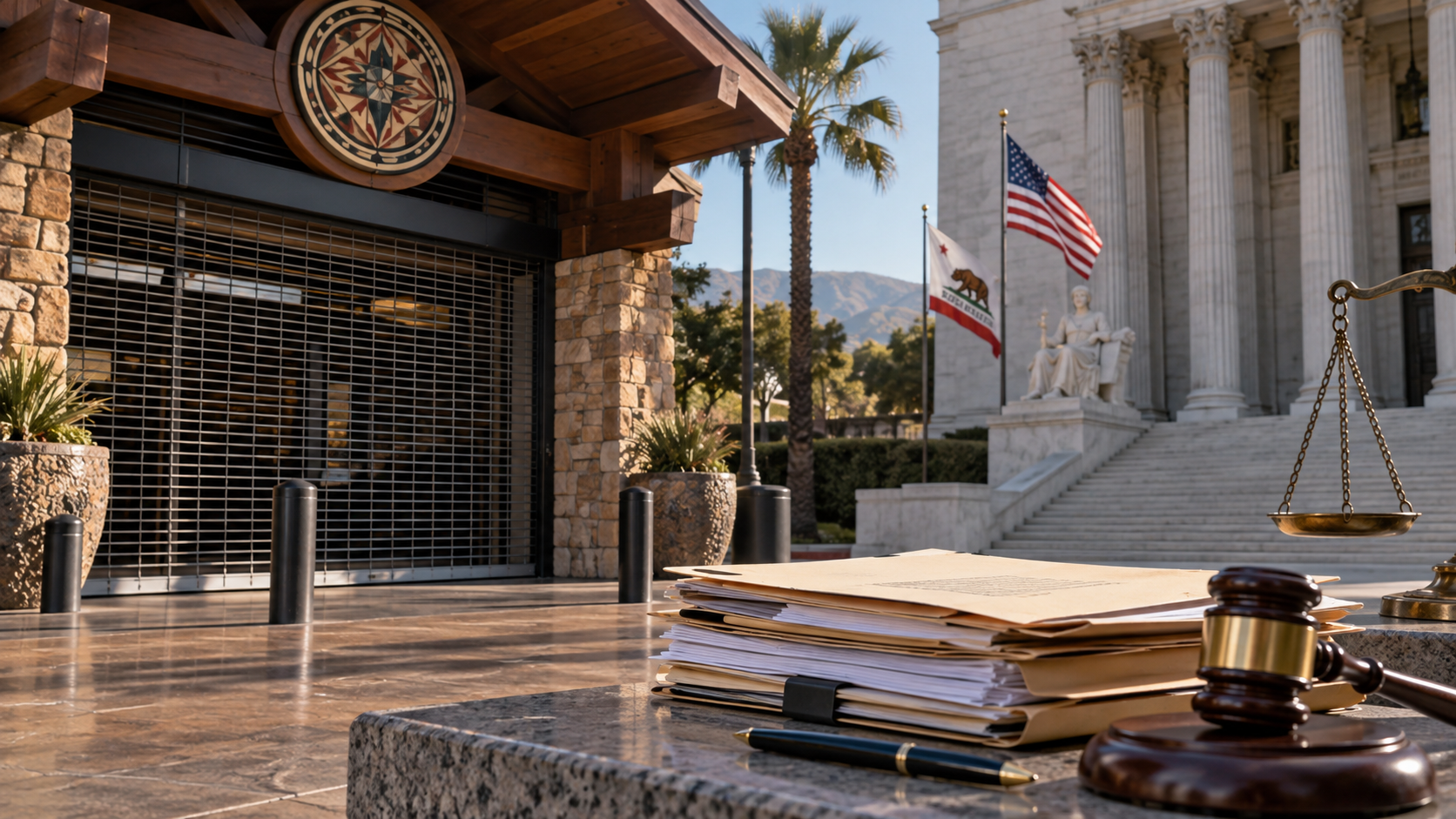
Editorial illustration of a California tribal casino legal dispute

Scotts Valley Casino: Judge Rejects Bid to Reopen Property

Scotts Valley Casino: Judge Rejects Bid to Reopen Property

Scotts Valley Casino is the focus of this U.S. casino and gambling news briefing. It is based on Judge Calls Scotts Valley’s $10M Casino Losses ‘Self-Inflicted’, published by Casino.org News on October 2, 2026. This original summary keeps the source visible while adding context about what is known, what remains specific to the reported situation, and what should be checked next.

What the source report says

Judge Calls Scotts Valley’s $10M Casino Losses ‘Self-Inflicted’ Main menu × News Financial Legislation Prediction Markets Vegas Myths Sports Betting Entertainment Vital Vegas Blog More from casino.org US Guides Real Money US Casinos Instant Withdrawal Casinos Best Payout Casinos Casino Apps New Casinos US Casino Bonuses Sweepstakes Casinos Social Casinos Real Money Online Slots Free Casino Games Free Slots US Casino Bonus Codes BetMGM Bonus Code FanDuel Bonus Code Caesars Bonus Code DraftKings Bonus Code BetRivers Bonus Code Fanatics Bonus Code Live Dealer Games CasinoScores Crazy Time Monopoly Live Funky Time Crazy Balls Prediction Markets Prediction market apps Crypto.com promo code Underdog promo code More Country Guides UK Online Casinos Canada Online Casinos NZ Online Casinos News Financial Legislation Prediction Markets Vegas Myths Sports Betting Entertainment Vital Vegas Blog News Tribal Gaming Tribal Gaming Judge Rejects B

The source account describes a defined development rather than a complete picture of the national industry. The important distinctions are who made the statement, which jurisdiction or company is involved, what action has actually occurred, and what remains a plan, allegation, review, opinion, estimate, or future possibility. Those distinctions are especially important when a headline touches regulation, business performance, technology, or consumer risk.

Why Scotts Valley Casino matters

Regulatory and legal stories turn on exact authority, jurisdiction, procedural posture, and the difference between an allegation, a proposal, an advocacy position, a review, and a final ruling.

For operators and suppliers, the immediate questions may involve compliance, customer experience, staffing, technology, capital plans, or timing. For regulators and public officials, the relevant evidence may include legal authority, public records, procedural status, and whether safeguards are working. Consumers should ask what product, property, contract, event, or proposal is involved and whether anything they can legally do today has changed.

U.S. gambling markets are not one uniform system. State laws, tribal compacts, licensing conditions, tax rules, advertising standards, court decisions, and responsible-gambling expectations can produce different outcomes in neighboring jurisdictions. A development in one state or company should not be presented as proof that every operator, bettor, casino, lottery, or prediction market faces the same conditions.

What to watch next

The next useful evidence may come from an official filing, regulator notice, court docket, company update, event organizer, audited result, or later report. That follow-up can clarify whether a proposal advances, a review produces a decision, an investment is deployed, a product is implemented, a market trend persists, or a legal claim changes. Until then, the most accurate approach is to describe the current development narrowly and keep confirmed facts separate from commentary and future possibilities.

Readers can compare the original account with California Gambling Control and National Indian Gaming Commission. Those sources provide official or industry context, but they do not turn this article into legal, tax, investment, clinical, or wagering advice.

Related reading

Related coverage on this site includes Smoke-Free Casino Experience: Seminole Hard Rock Tampa Unveils The Breeze, Pechanga Casino Resort Named to AAA’s Top 10, DraftKings Launches Innovative Sports Betting Subscription Service. These links offer additional reading and are not endorsements of an operator, promotion, investment, event, or wager.

FAQ

Does this report change gambling rules everywhere in the United States?

No. Casino, lottery, sports-betting, tribal-gaming, and prediction-market rules depend on state law, tribal authority, licensing conditions, court decisions, and regulator guidance. A development involving one jurisdiction or company does not automatically apply nationwide.

What should readers verify before acting on this news?

Check the original source, publication date, named agency or organization, current terms, and whether the information is a proposal, estimate, allegation, preview, vote, order, review, or completed action. Use current official materials for legal, tax, financial, or consumer questions.

How can gambling stay recreational?

Set a budget and time limit before play, take breaks, and treat gambling as entertainment rather than income. If it stops feeling manageable, contact a qualified gambling-support service.

Responsible gambling: Gambling involves risk and is not a guaranteed way to make money. Only participate where legal, use funds you can afford to lose, set time and spending limits, avoid chasing losses, and seek qualified support if gambling affects your finances, relationships, or wellbeing. The National Council on Problem Gambling provides confidential information and support.

Original source: Judge Calls Scotts Valley’s $10M Casino Losses ‘Self-Inflicted’ from Casino.org News. This is an original summary and context piece based on that report.
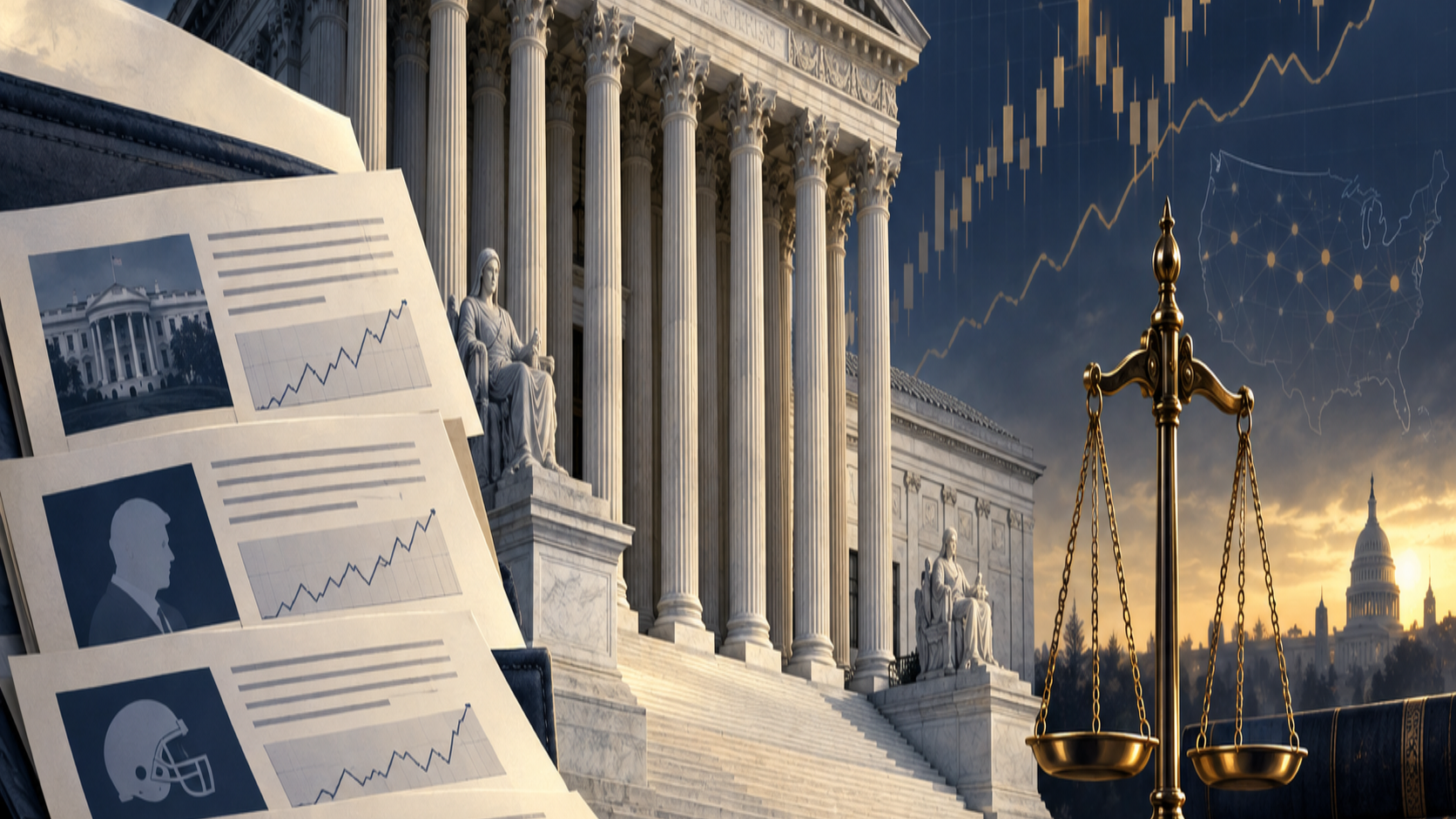
Editorial illustration of the US Supreme Court, prediction markets, and federal jurisdiction documents

SCOTUS Prediction Markets Case Could Test the Reach of Federal Preemption

SCOTUS Prediction Markets Case Could Test the Reach of Federal Preemption

SCOTUS prediction markets is at the center of this U.S. gaming-news briefing after Crypto.com, Robinhood Push SCOTUS to Rule on Federal Control Over Prediction Markets was reported by Casino.org News on September 15, 2026. The article keeps the original source visible while adding context for readers following casino, gambling, and sports-wagering markets.

What the report says

News Prediction Markets Prediction Markets Crypto.com, Robinhood Push SCOTUS to Rule on Federal Control Over Prediction Markets Posted on : September 15, 2026, 12:17h. Last updated on : September 16, 2026, 06:42h. Written by Todd Shriber Todd Shriber is a senior news reporter covering gaming financials, casino business, stocks, and mergers and acquisitions for Casino.org. Todd got his start in financial markets as a reporter with Bloomberg News… Click for more Key Points Crypto.com and Robinhood separately petitioned the Supreme Court to rule that federal law preempts state regulation of sports event contracts The filings follow conflicting appeals court decisions over whether federal commodities law or state gaming boards govern prediction markets Both firms argue event contracts are financial swaps, granting the CFTC exclusive regulatory authority over state regulators Share Crypto.com is pressing the U.S. Supreme Court (SCOTUS) to declare that federal law preempts state gaming rules on sports contracts—even as partner Robinhood (

The cited report describes a specific development rather than a complete picture of the national market. A regulator agenda, technology announcement, court filing, forecast, survey, property transaction, or company update can matter while leaving important questions open. Readers should separate confirmed details from interpretation, estimates, and future possibilities.

Why SCOTUS prediction markets matters

Describe the reported legal position as part of an ongoing case, not a final Supreme Court holding or nationwide rule.

The wider context includes Supreme Court prediction markets, federal preemption gambling, event contract regulation. These phrases help frame the topic, but they do not add facts that the source did not establish. U.S. casino and gambling markets are shaped by state law, tribal sovereignty, licensing conditions, tax rules, technology, advertising standards, court decisions, and consumer-protection expectations.

That state-by-state structure is important. A development in Nevada, a federal court case, a company announcement, or a market estimate does not automatically change the rules or customer experience everywhere else. The relevant jurisdiction, agency, court, company, or operator should always be identified before a broad conclusion is drawn.

What operators, regulators, and consumers should watch

Operators will read this news through product design, margins, compliance, workforce decisions, and long-term positioning. Regulators will focus on authority, disclosure, the public record, and whether appropriate protections are in place. Consumers should ask practical questions: which product or property is involved, what terms apply, which jurisdiction is relevant, and whether the story changes anything they can legally do today.

The next useful evidence may come from official notices, court records, company filings, audited results, implementation dates, or later reporting. Follow-up information can clarify whether a proposal advances, a technology reaches more properties, a forecast changes, or a dispute produces a formal decision. Until then, it is more accurate to call this a current development than proof of a lasting market shift.

Related reading and official context

Readers can compare the original report with Supreme Court of the United States and Commodity Futures Trading Commission. Related coverage on this site includes $10 Million Bonus: Insights into Casino Licensing and the Times Square Operation, Louisiana Gaming Revenue Falls in August as State Market Recalibrates, Seminole Hard Rock Lawsuit Puts Casino Safety and Event Operations in Focus. These links provide context and primary information, not endorsements of an operator, promotion, investment, or wager.

FAQ

Does this update change gambling rules everywhere in the United States?

No. Casino, lottery, sports-betting, and prediction-market rules remain shaped by state law, tribal compacts, licensing conditions, court decisions, and regulator guidance. A development in one jurisdiction or company does not automatically apply nationwide.

What should readers verify before acting on this news?

Check the original source, publication date, relevant regulator or organization, current terms, and whether the information is a proposal, estimate, allegation, report, or completed action. For legal, tax, or financial questions, use current official materials and qualified professional advice.

How can gambling stay recreational?

Set a budget and time limit before play, avoid chasing losses, take breaks, and treat gambling as entertainment rather than income. If it stops feeling manageable, contact a qualified gambling-support service.

Responsible gambling: Gambling involves risk and is not a guaranteed way to make money. Only participate where legal, use funds you can afford to lose, set limits in advance, avoid chasing losses, and seek qualified support if gambling affects your finances, relationships, or wellbeing. The National Council on Problem Gambling provides confidential information and support.

Original source: Crypto.com, Robinhood Push SCOTUS to Rule on Federal Control Over Prediction Markets from Casino.org News. This is an original summary and context piece based on that report.